


|
Have questions?
Contact us
Already a member? Sign in
|
Get every literary device explanation for Girl, InterruptedPlus so much more...
Sign up for LitCharts A+Get instant access to every literary device explanation, plus so much more...
Paradox
Explanation and Analysis—A Refuge, A Prison:
In Chapter 23, Kaysen uses the following paradox to describe her time at McLean:
For many of us, the hospital was as much a refuge as it was a prison. Though we were cut off from the world and all the trouble we enjoyed stirring up out there, we were also cut off from the demands and expectations that had driven us crazy. What could be expected of us now that we were stowed away in a loony bin? The hospital shielded us from all sorts of things. We’d tell the staff to refuse phone calls or visits from anyone we didn't want to talk to, including our parents.
The paradox here is the idea of McLean being both a "refuge" and a "prison," as a refuge is a place of peace and safety while a prison is a place of fear and control. By describing the hospital in this way, Kaysen is communicating that the hospital's impact was complex; while it offered protection for patients struggling with their mental health, it also often exacerbated their difficulties by dehumanizing them and stripping them of freedoms. The patients are protected because they're under close watch, but they're also cut off from the outside world and feel powerless.
Monthly
Annual (Best Value)

$595USD/mo
Charged $71.40 USD every year



 Teacher
$795USD/mo
Charged $95.40 USD every year




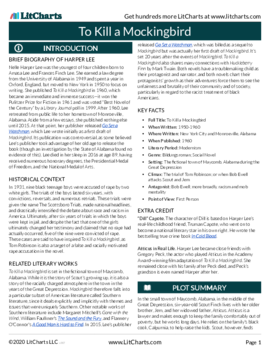
Literature Guide PDFs
LitCharts PDFs for every book you'll read this year.
Instant PDF downloads of all 2238 LitCharts literature guides and of every new one we publish. Try a free sample literature guide.
"Would not have made it through AP Literature without the printable PDFs. They're like having in-class notes for every discussion!"




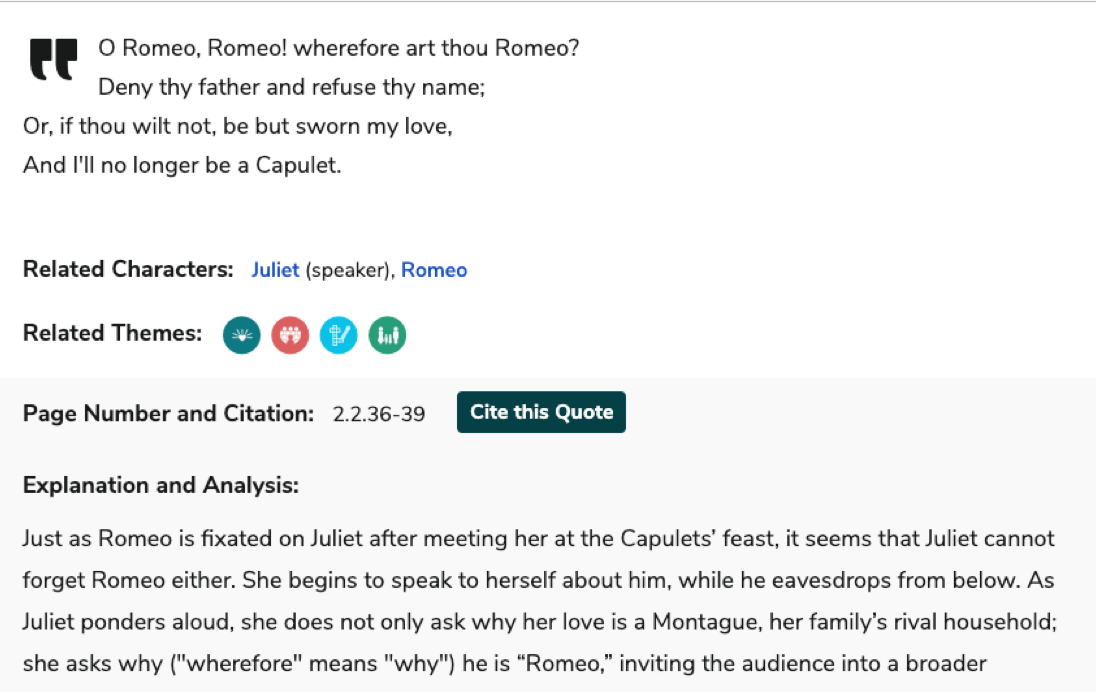
Quotes Explanations
Find the perfect quote. Understand it perfectly. Then rock the citation, too.
For all 49,909 quotes we cover.
For all 49,909 quotes we cover.



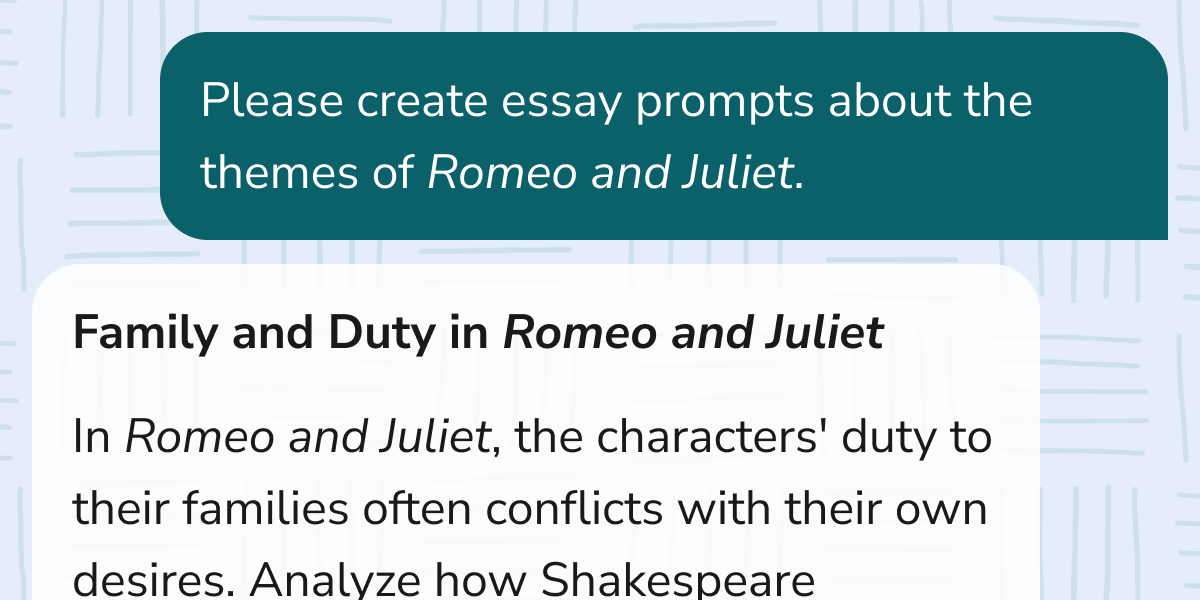
Teacher Editions
Close reading made easy for students.
Time saved for teachers.
For every book we cover.
Time saved for teachers.
For every book we cover.


Common Core-aligned


PDFs of modern translations of every one of Shakespeare's 37 plays, 154 sonnets, and 3 longer poems.

Literary Terms and Devices
Definitions and examples for every literary term and device you need to know.
Plus a quick-reference PDF with concise definitions of all 136 terms in one place.
Plus a quick-reference PDF with concise definitions of all 136 terms in one place.


Try a free sample literary term PDF.


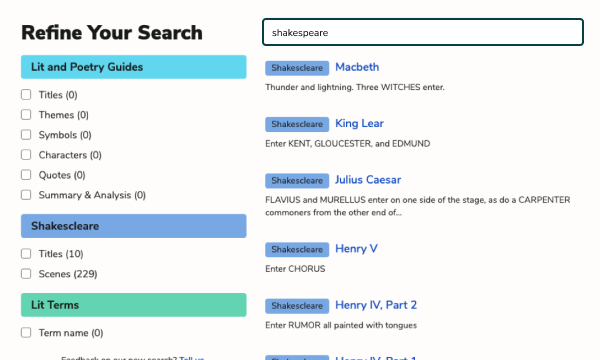
Advanced Search
Refine any search. Find related themes, quotes, symbols, characters, and more.


Related Themes
Comparing and contrasting texts? Find where any theme occurs across all of LitCharts in seconds.



Poetry Guides
Line-by-line explanations and analysis of figurative language and poetic devices.
For every lyric poem we cover.
For every lyric poem we cover.
