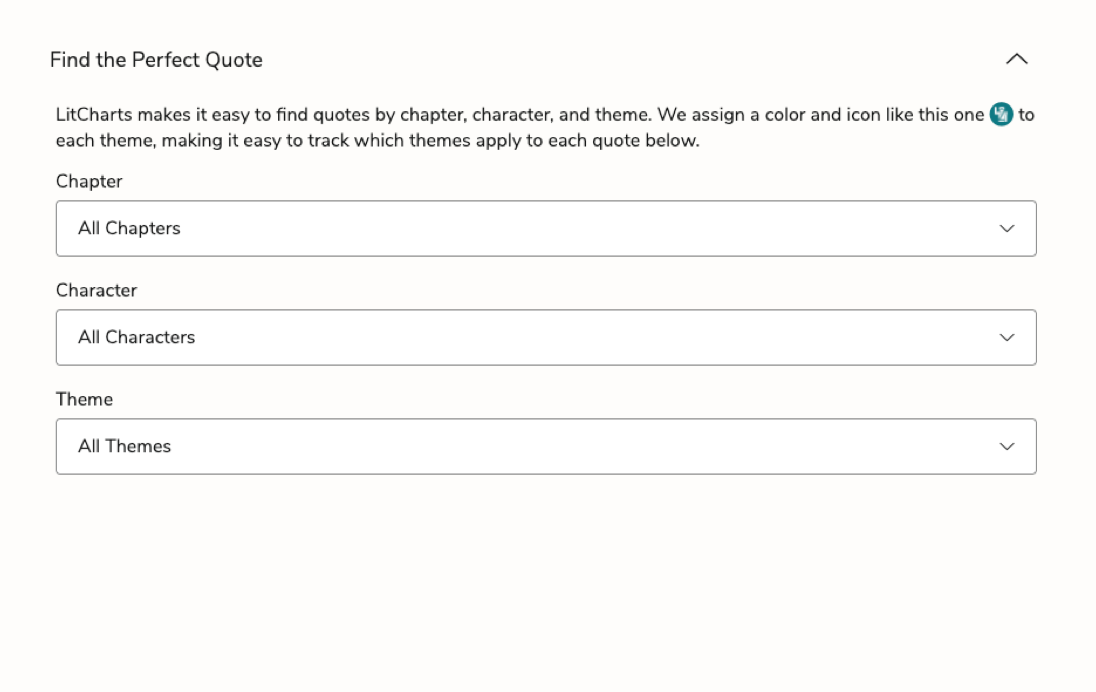
Find the perfect quote
Then understand it perfectly. And get the citation, too. For all 35,000+ quotes we cover.

|
Have questions?
Contact us
Already a member? Sign in
|
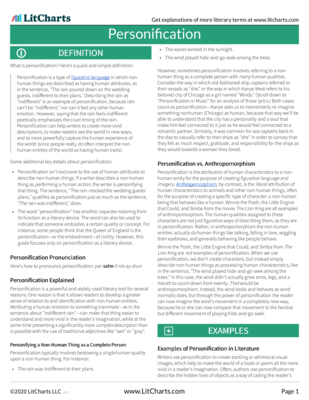
Mole personifies the arrival of winter in Chapter 3:
It was a cold still afternoon with a hard steely sky overhead, when he slipped out of the warm parlour into the open air. The country lay bare and entirely leafless around him, and he thought that he had never seen so far and so intimately into the insides of things as on that winter day when Nature was deep in her annual slumber and seemed to have kicked the clothes off.
The narrator employs personification by comparing the change in the physical landscape—specifically the change in foliage—to a person removing their clothes, highlighting the dramatic nature of the seasonal shift. Nature is given the ability to sleep, emphasizing the temporary dormancy that occurs during winter. Note how the /s/ sound is also repeated in the first sentence, a sound that mimics the harshness of the winter landscape.
All in all, this figurative language underscores the profound and noticeable transformations that occur with the changing seasons. By attributing human-like actions and characteristics to nature, Grahame creates a vivid and memorable depiction of winter. The narrator's description here also aligns with his portrayal of nature throughout the novel. The natural world serves as the primary setting for the adventures and interactions that take place in the novel. The novel's rivers, meadows, forests, and bucolic countryside are not only sources of beauty but also allow the novel's characters to form connections with others.
Throughout The Wind in the Willows, Mole, Rat, and other characters consistently find themselves subject to nature's whims. The Wind in the Willows depicts nature as a powerful and ever-changing force that has a significant impact on the characters' lives. Yet it is also a place of harmony and an overall balanced existence; eventually, Mole, Rat, and Toad find solace, peace, and fulfillment in their natural surroundings.



 Teacher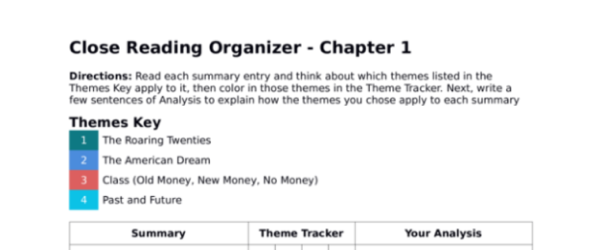















|
Close Reading Organizers |

|
Character Analysis Organizers |

|
Symbol Analysis Organizers |

|
Theme Analysis Organizers |

|
Quote Analysis Organizers |
Common Core-aligned