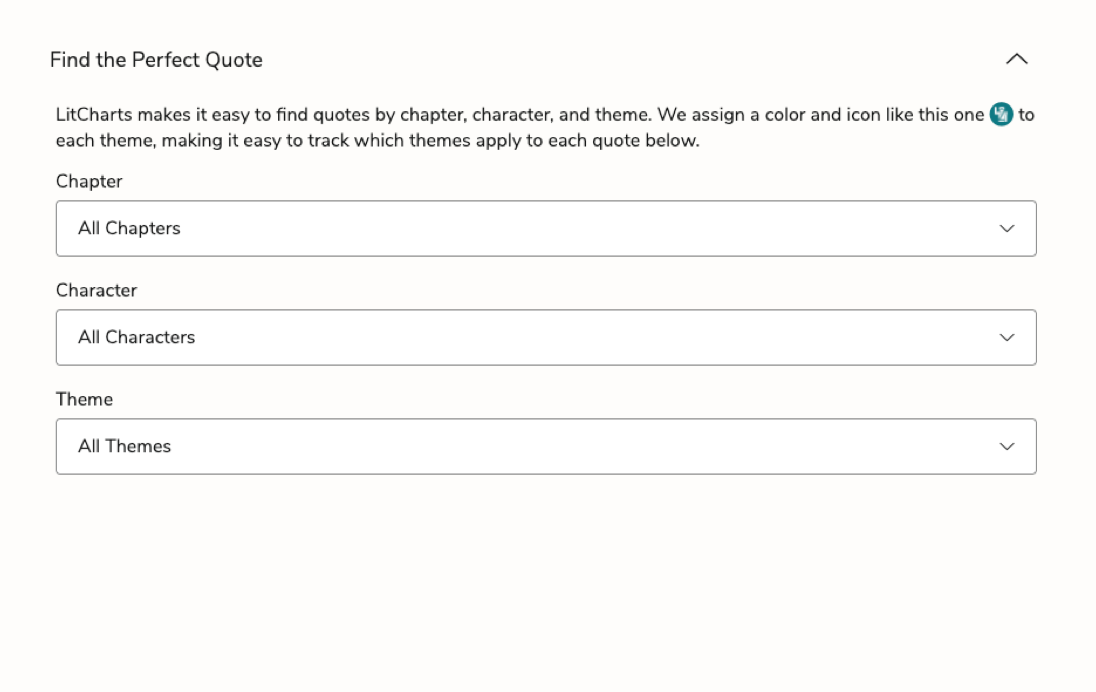
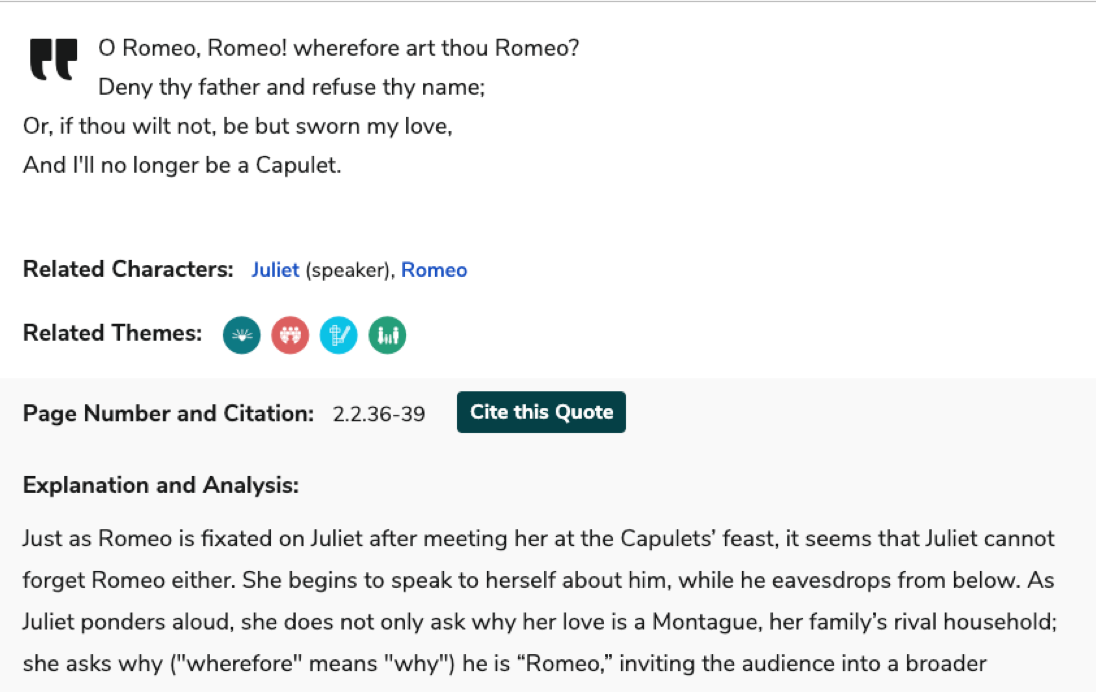
Find the perfect quote
Then understand it perfectly. And get the citation, too. For all 35,000+ quotes we cover.

|
Have questions?
Contact us
Already a member? Sign in
|
Alcott and her characters frequently allude to Shakespeare. In Part I, most of the allusions appear in the form of character comparisons or dialogues about the content of the texts. But in Part II, the allusions become enmeshed with the story itself:
A Russian prince condescended to sit in a corner for an hour and talk with a massive lady, dressed like Hamlet's mother in black velvet with a pearl bridle under her chin.
At this moment, the girls' stories come to life. The March girls find in the world what they could only imagine in childhood. Hamlet's mother constitutes a fanciful vision compared to the regularity of the Marches' life in the first part of the novel. Alcott also makes a more general reference to Shakespeare when she describes his influence on Jo:
I don't know whether the study of Shakespeare helped her to read character, or the natural instinct of a woman for what was honest, brave, and strong, but while endowing her imaginary heroes with every perfection under the sun, Jo was discovering a live hero, who interested her in spite of many human imperfections.
This statement about Jo by the narrator also finds expression in Chapter 1, when Beth shows her faith in Jo's talent by comparing her to the bard:
"I don't see how you can write and act such splendid things, Jo. You're a regular Shakespeare!" exclaimed Beth, who firmly believed that her sisters were gifted with wonderful genius in all things.
Needless to say, Beth bestows the highest compliment on Jo by making this comparison. Jo likely has the greatest sense of Shakespeare's genius and takes this as a charming (if hyperbolic) compliment.


 Teacher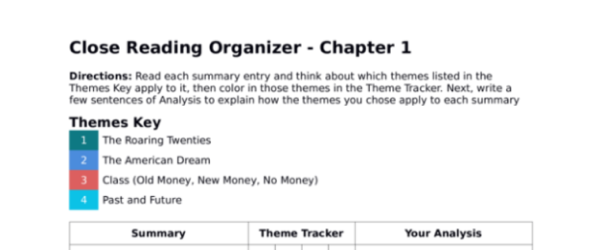













|
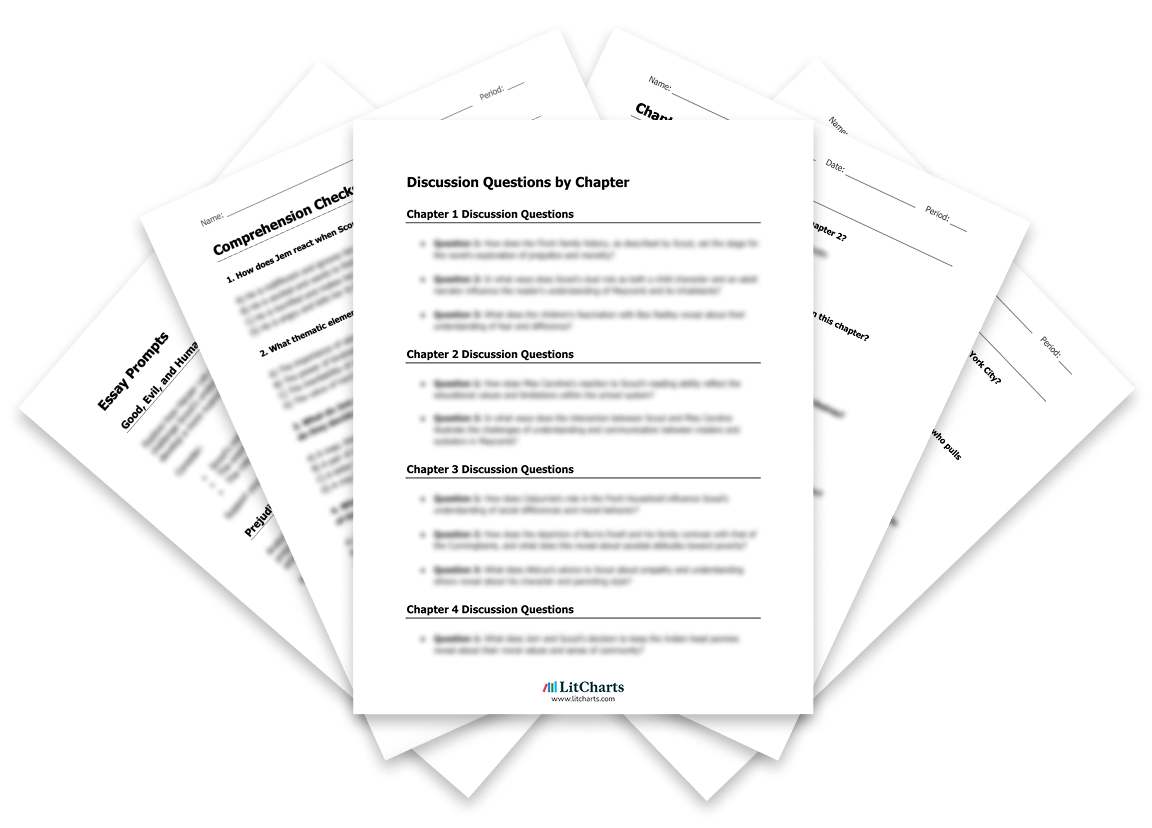
Close Reading Organizers |

|
Character Analysis Organizers |

|
Symbol Analysis Organizers |

|
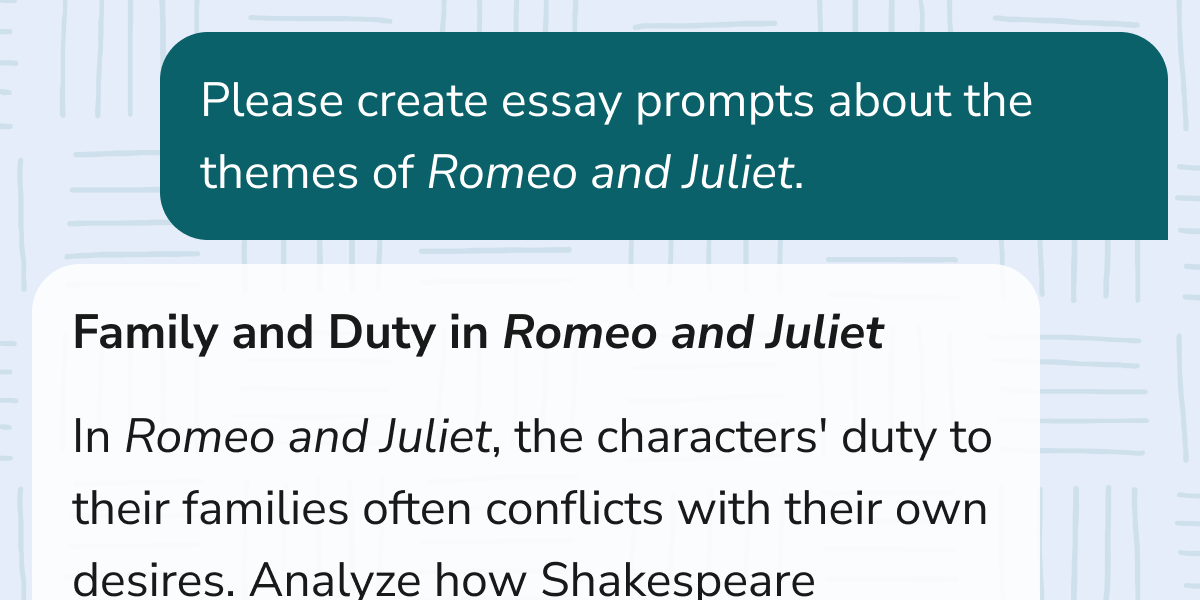
Theme Analysis Organizers |

|
Quote Analysis Organizers |
Common Core-aligned