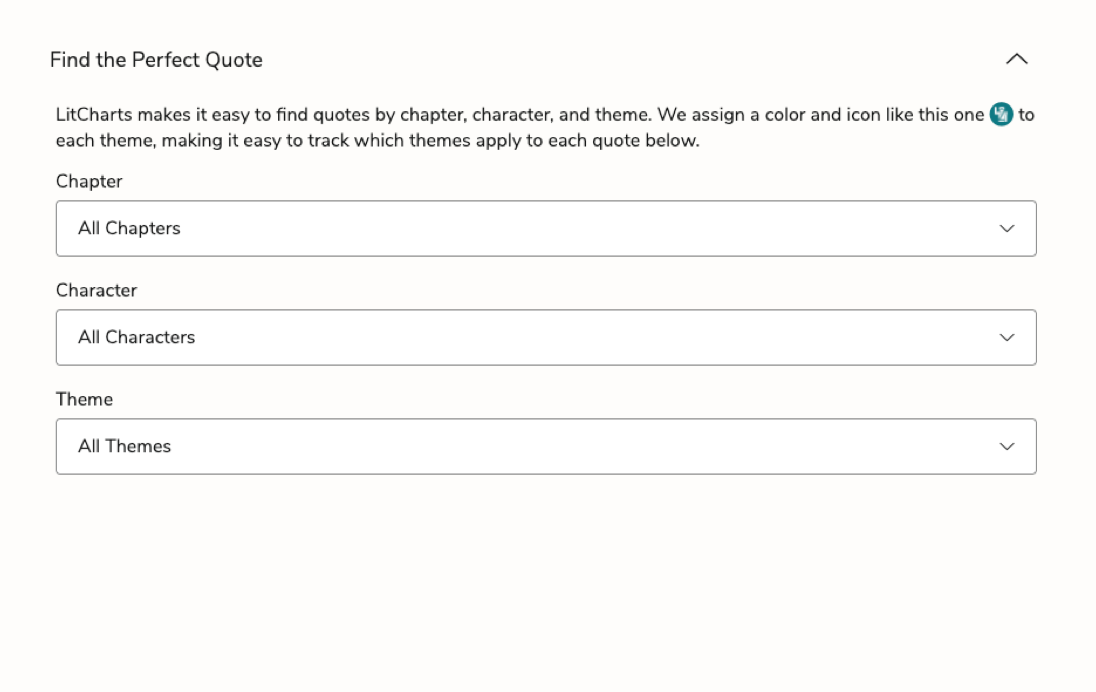
Find the perfect quote
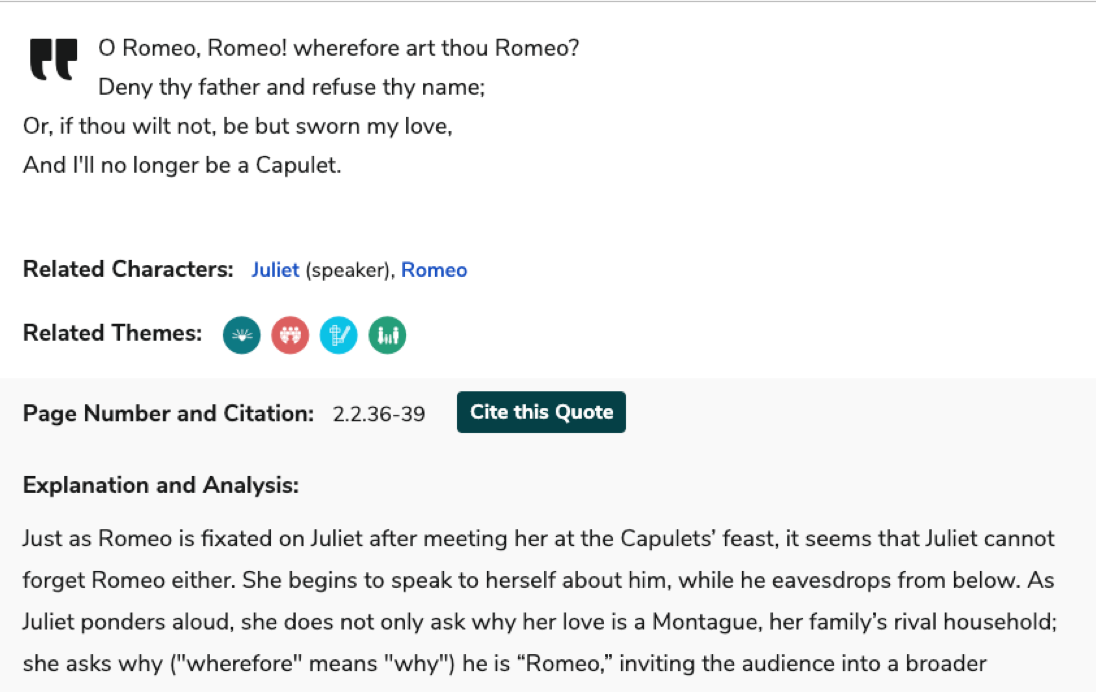
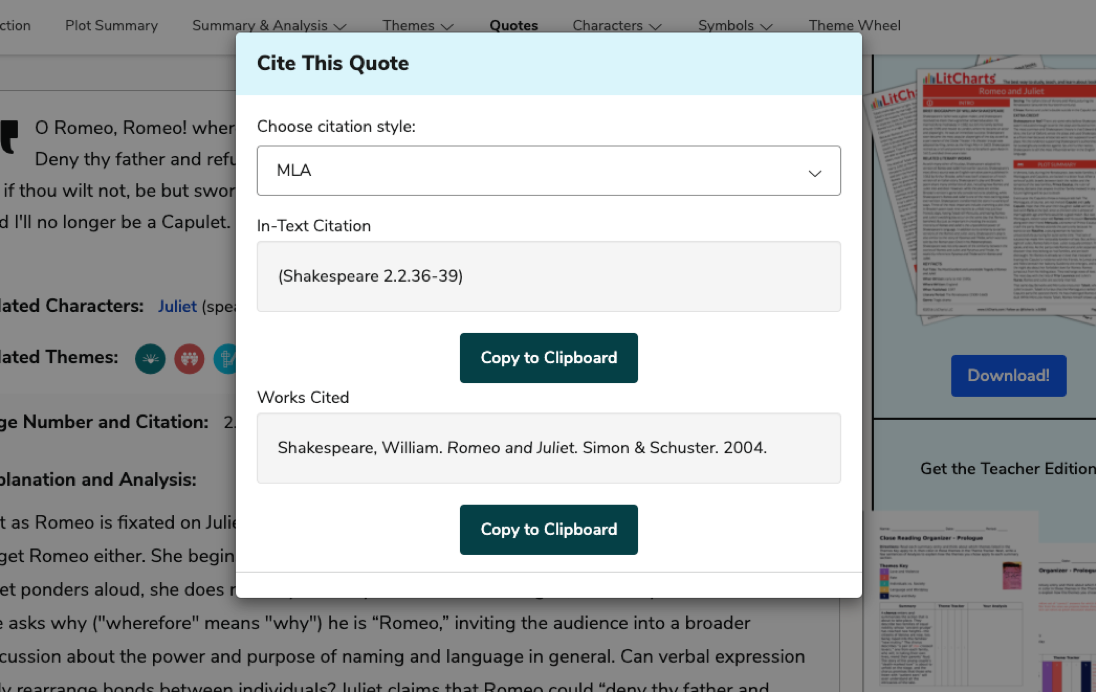
Then understand it perfectly. And get the citation, too. For all 35,000+ quotes we cover.

|
Have questions?
Contact us
Already a member? Sign in
|
Alcott makes frequent allusions to Greek philosophers including Socrates and Plato, which demonstrates her (and her characters') erudition. In Chapter 12, Jo hangs her hat on a bust of Plato as she reads letters from Marmee.
And hanging the antique broad-brim on a bust of Plato, Jo read her letters.
This charmingly careless gesture has more significance than meets the eye. Firstly, it shows Jo putting aside a gift from Laurie in order to focus her attention on Marmee's message. And secondly, it suggests that Jo always has great progenitors of writing and ideas at the back of her mind.
In Chapter 45, the narrator calls Demi a "young philosopher" and extends the comparison by dipping into the thoughts of his grandfather:
"If he is old enough to ask the question he is old enough to receive true answers [...] Now, Demi, tell me where you keep your mind." If the boy had replied like Alcibiades, "By the gods, Socrates, I cannot tell," his grandfather would not have been surprised, but when, after standing a moment on one leg, like a meditative young stork, he answered, in a tone of calm conviction, "In my little belly," the old gentleman could only join in Grandma's laugh, and dismiss the class in metaphysics.
Socrates embodied this sort of playful innocence and curiosity. This moment shows the great erudition and great sympathy that the March family passes down to its youngest generation. Knowledge, like love, proves to be far more valuable than money, and continues to elevate the March family throughout the story.





 Teacher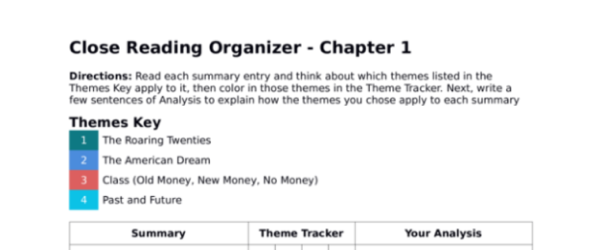













|
Close Reading Organizers |

|
Character Analysis Organizers |

|
Symbol Analysis Organizers |

|
Theme Analysis Organizers |

|
Quote Analysis Organizers |
Common Core-aligned