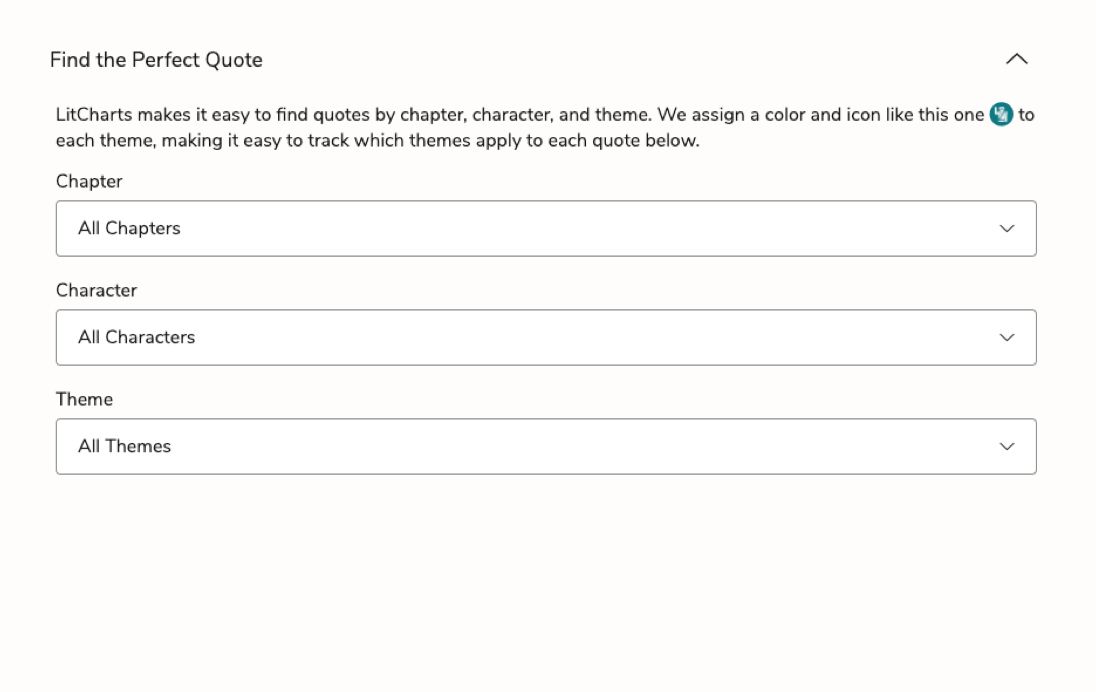
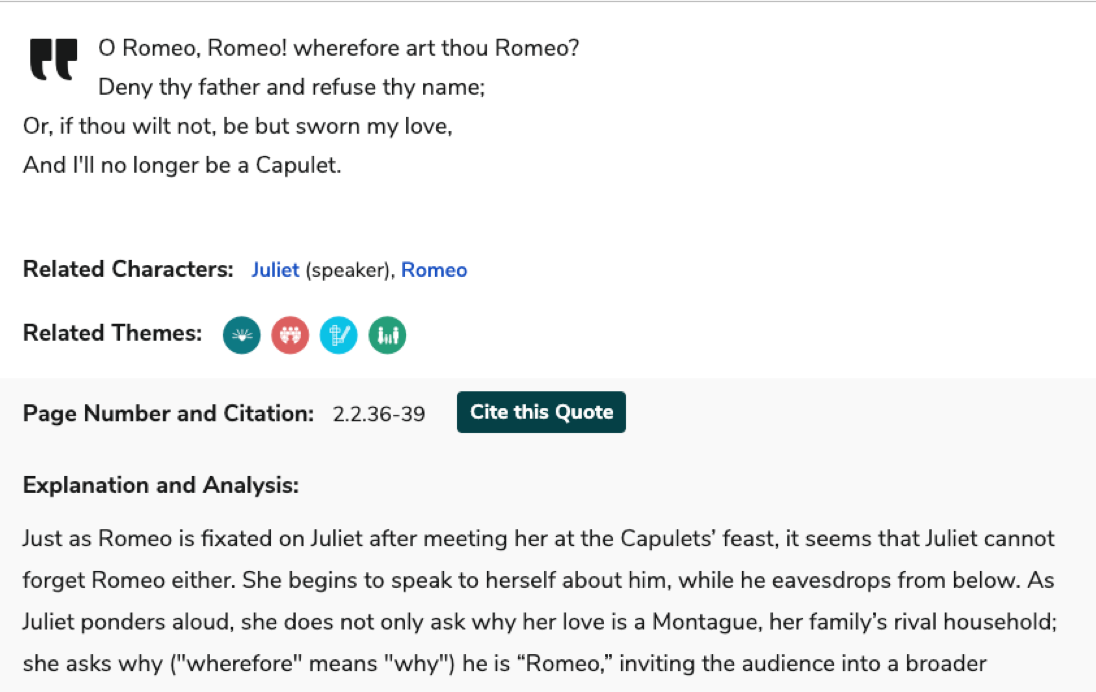
Find the perfect quote
Then understand it perfectly. And get the citation, too. For all 35,000+ quotes we cover.

|
Have questions?
Contact us
Already a member? Sign in
|
The entirety of Chapter 63 is full of dramatic irony, which Dumas gleefully manipulates to maximize the suspense of the dinner party. This is set up at the very first moment of the guests' arrival:
It was clear that all the guests experienced the same feeling as they went into the dining-room. They were wondering what strange force had brought them together in this house; and yet, puzzled and even, in some cases, nervous though they were, they would not have wished to be anywhere else. Recent connections, the count’s unusual and isolated situation, and his unknown, almost fabulous fortune, should have required the men to be cautious and have deterred the women from entering a house where there was no one of their own sex to receive them.
By illustrating that all the guests appear to have thrown caution to the wind, Dumas prepares the reader to be ready for any amount of drama that he might throw their way. Whereas the guests themselves are drawn to the party by the allure of the mysterious count, only the reader knows the Count's true identity and his ruthless intention to seek his revenge—as the guests remain bewildered, the suspense only grows for the reader.
Dumas relies heavily on dramatic irony in The Count of Monte Cristo, since the reader knows—or at least suspects—the identity and motivations of even the most duplicitous characters before the characters themselves are entirely aware.


 Teacher









|
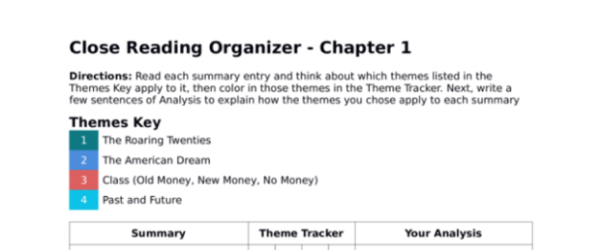
Close Reading Organizers |

|
Character Analysis Organizers |

|
Symbol Analysis Organizers |

|
Theme Analysis Organizers |

|
Quote Analysis Organizers |
Common Core-aligned