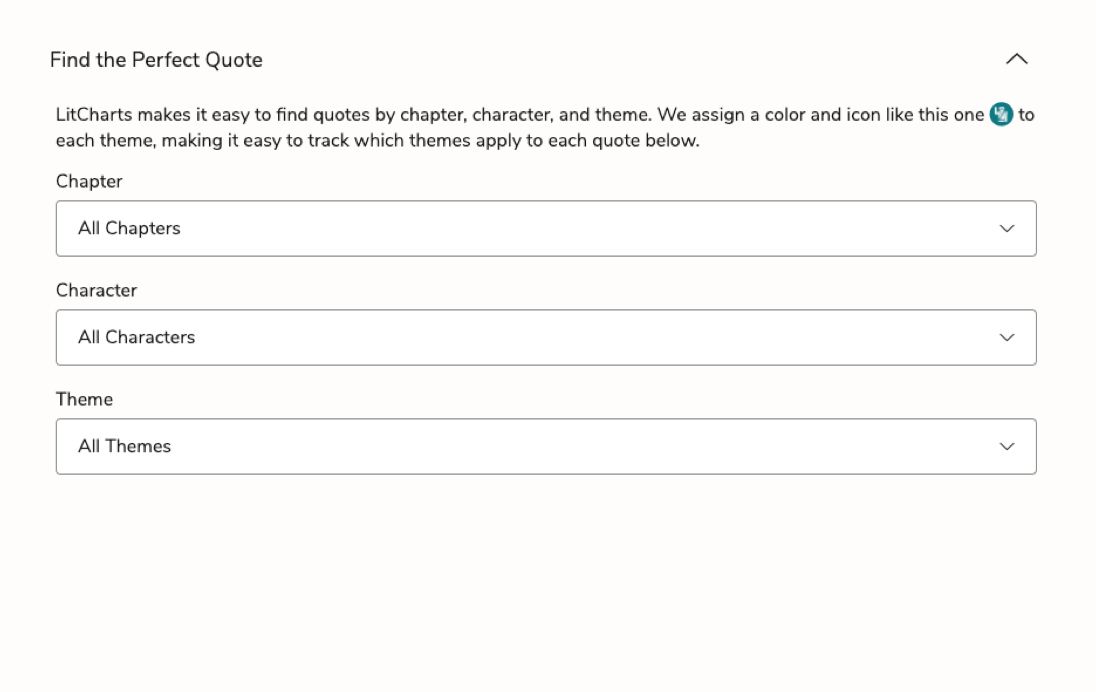
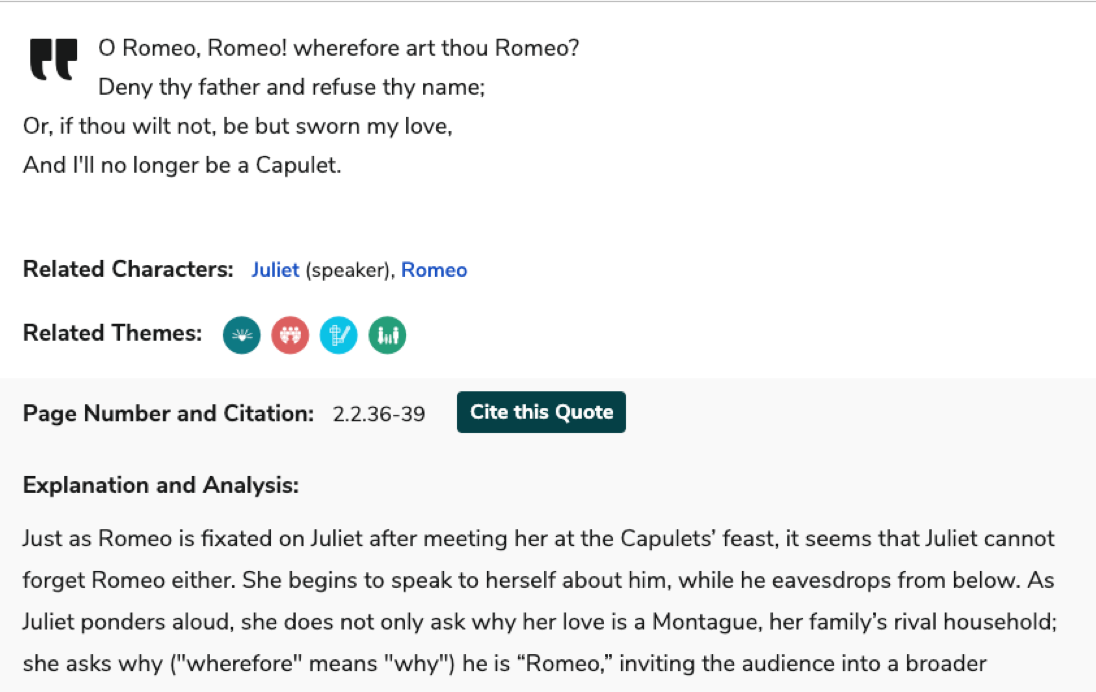
Find the perfect quote
Then understand it perfectly. And get the citation, too. For all 35,000+ quotes we cover.

|
Have questions?
Contact us
Already a member? Sign in
|
In Chapter 7, Dantès faces the first horrors of his wrongful imprisonment as he discusses his interrogation with Villefort, in an exchange that includes both verbal and dramatic irony:
‘Monsieur, your interrogation has brought up the most serious charges against you, so I am no longer able, as I had first hoped, to set you free immediately. Before I can take that step, I must consult the examining magistrates. Meanwhile, you have seen how I have treated you.’
‘Oh, yes, Monsieur,’ Dantès exclaimed, ‘and I thank you, because you have been more of a friend to me than a judge.’
‘Well, I must keep you prisoner a little while longer, but for as short a time as I can. The main charge against you is the existence of this letter, and you see …’
Villefort went over to the fireplace, threw the letter into the fire and waited until it was reduced to ashes. ‘ … and you see, I have destroyed it.’
‘Monsieur!’ Dantès exclaimed. ‘You are more than justice, you are goodness itself!’
Dantès has no reason to suspect the cruelty of Villefort's machinations against him, and yet the reader has every reason to doubt this supposed act of benevolence, benefitting from the perspective of Dumas's omniscient narrator and privy to Villefort's personal political allegiances and anxieties after the dinner scene portrayed in Chapter 6. The extent of Dantès's gratitude to Villefort—whom he calls "goodness itself"—further builds the dramatic irony of this scene.
Dantès's many interactions with the law and the danger of a corrupt judicial system form the core of the Count of Monte Cristo. The interactions between Villefort and Dantès in Chapter 7, which lead directly to Dantès's imprisonment so that Villefort may ensure the security of his own career, form the foundation of Dantès's eventual quest for justice as the Count.


 Teacher









|
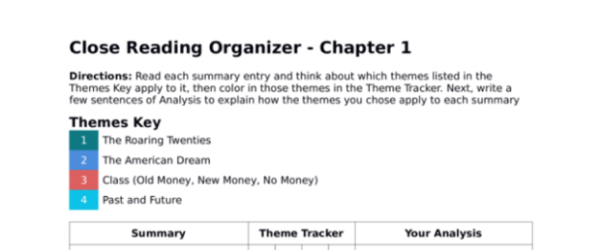
Close Reading Organizers |

|
Character Analysis Organizers |

|
Symbol Analysis Organizers |

|
Theme Analysis Organizers |

|
Quote Analysis Organizers |
Common Core-aligned