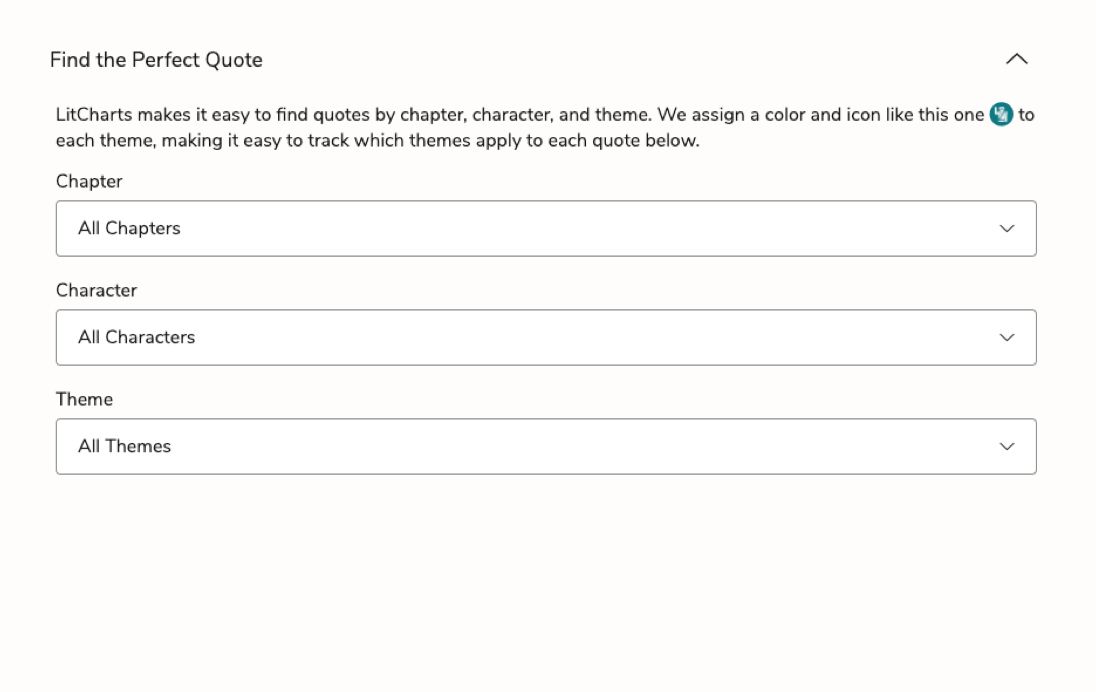
Find the perfect quote
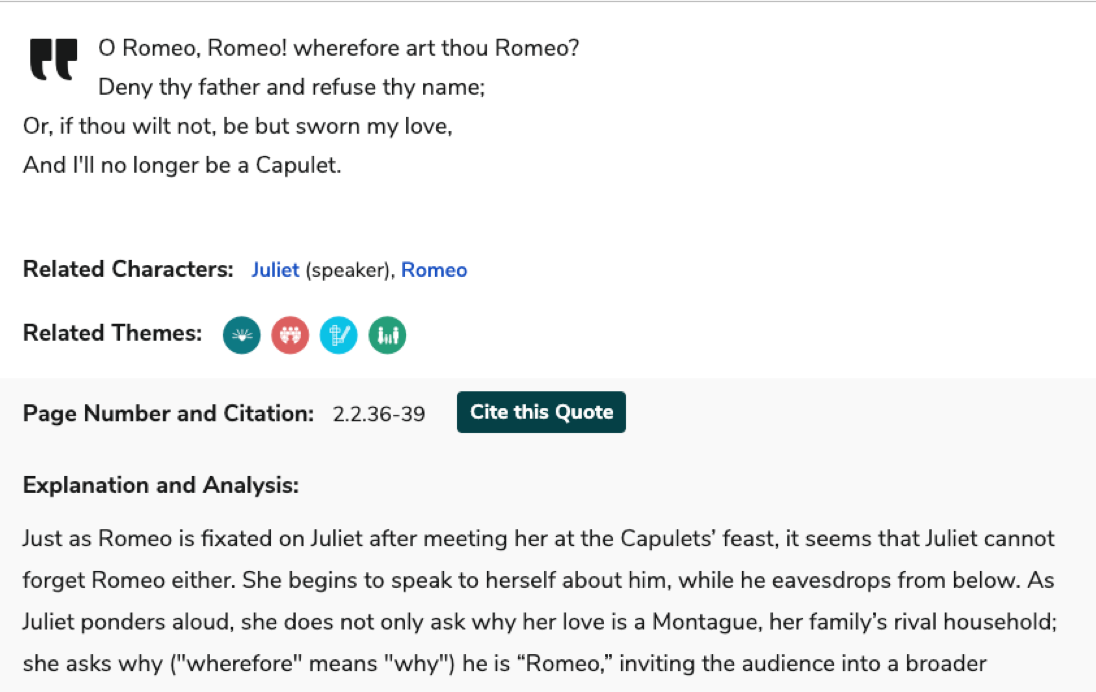
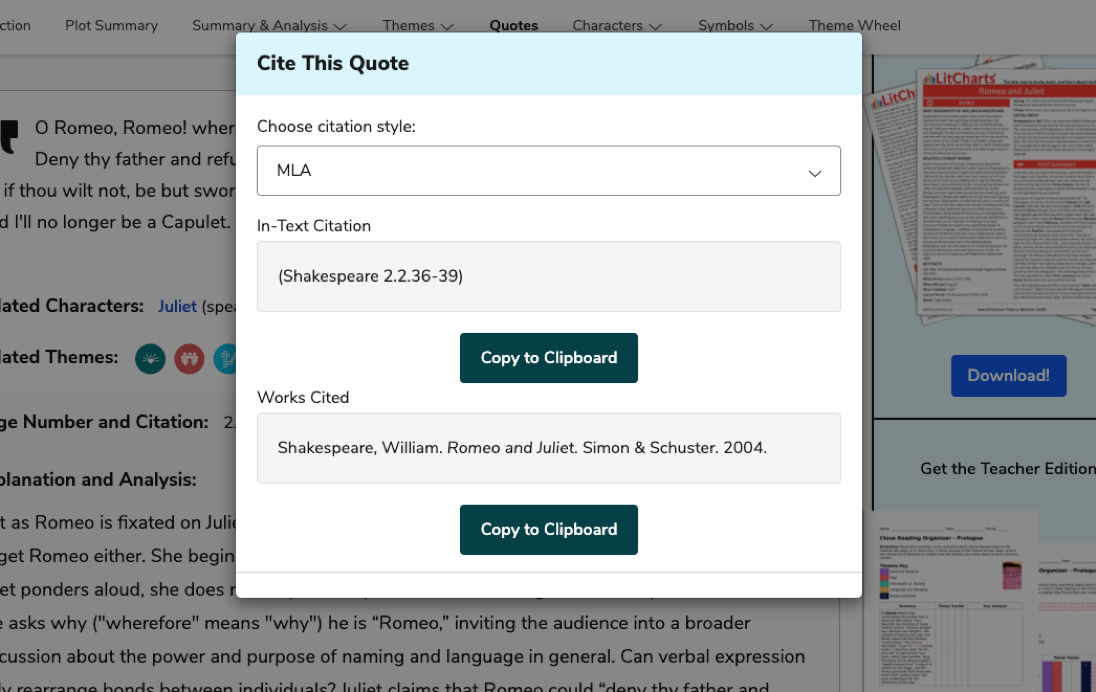
Then understand it perfectly. And get the citation, too. For all 35,000+ quotes we cover.

|
Have questions?
Contact us
Already a member? Sign in
|
In Chapter 5, Alice finds herself rowing through water with the Sheep. The Sheep uses a sarcastic idiom, "complimenting" Alice on "catching a crab," which leads to dramatic irony:
“That was a nice crab you caught!” she remarked, as Alice got back into her place, very much relieved to find herself still in the boat.
“Was it? I didn’t see it,” said Alice, peeping cautiously over the side of the boat into the dark water. “I wish it hadn’t let go—I should so like a little crab to take home with me!” But the Sheep only laughed scornfully, and went on with her knitting.
What Alice doesn't realize is that "catching a crab" is a rowing term that refers to messing up a stroke of the oar by keeping it underwater too long. This is exactly what Alice has just done: she lost control of the oar and could not pull it out of the water. It ended up hitting her in the chin and knocking her over in the boat. Alice believes that the Sheep is telling her she caught a literal crustacean. Because she does not understand the rowing idiom, she fails to understand that the Sheep is making fun of her bad rowing form.
On the one hand, Alice appears naive because of her misunderstanding. A more savvy and socially graceful person would understand that they were the butt of the Sheep's joke. At the same time, Alice has been thrown into a ridiculous situation without any preparation. The Sheep's expectation that she know how to row and that she be familiar with the idiomatic language of rowing is just as laughable as Alice's naivety. This entire situation represents the process of growing up and making one's way in the adult world. Life, Carroll suggests, is a series of ridiculous and unexpected situations in which the world has ridiculous expectations of our competence and know-how.


 Teacher









|
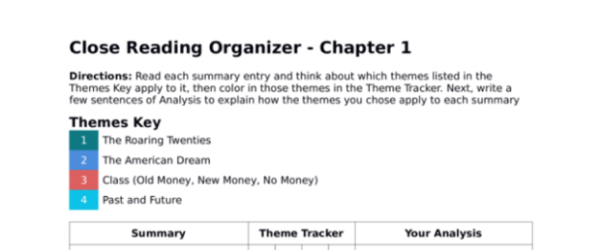
Close Reading Organizers |

|
Character Analysis Organizers |

|
Symbol Analysis Organizers |

|
Theme Analysis Organizers |

|
Quote Analysis Organizers |
Common Core-aligned