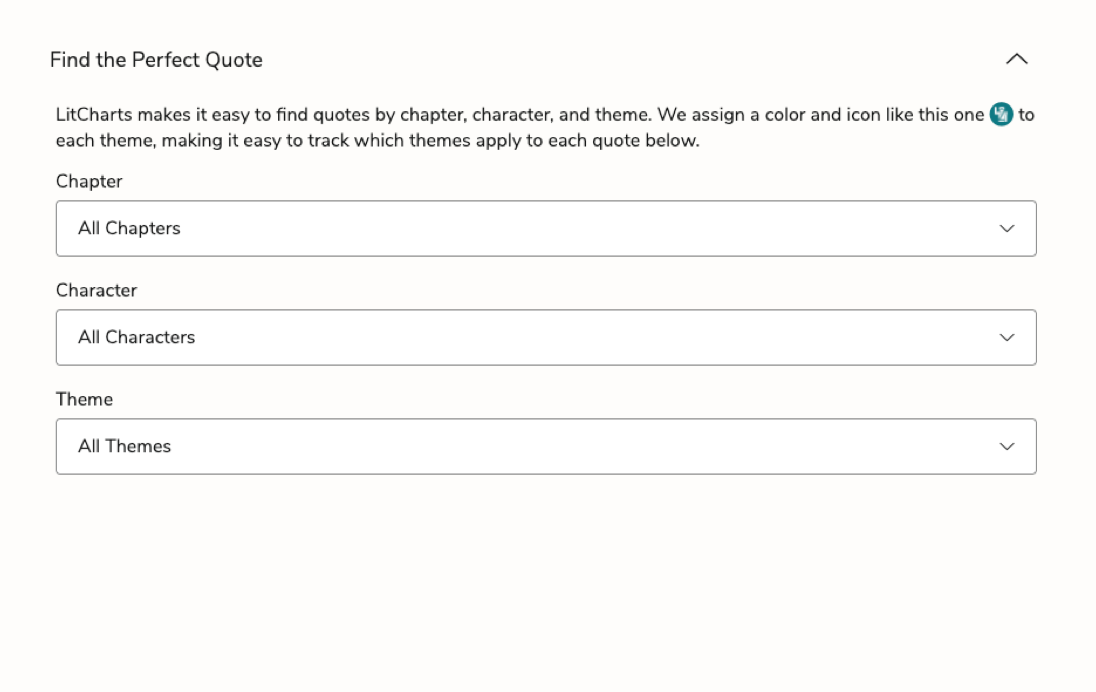
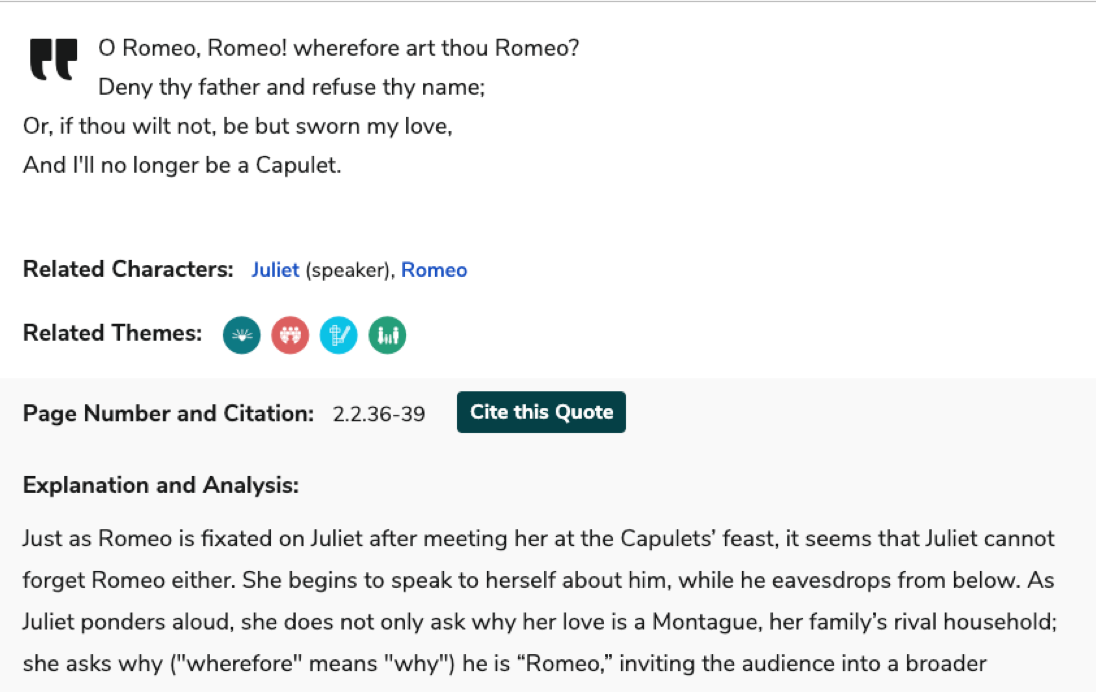
Find the perfect quote
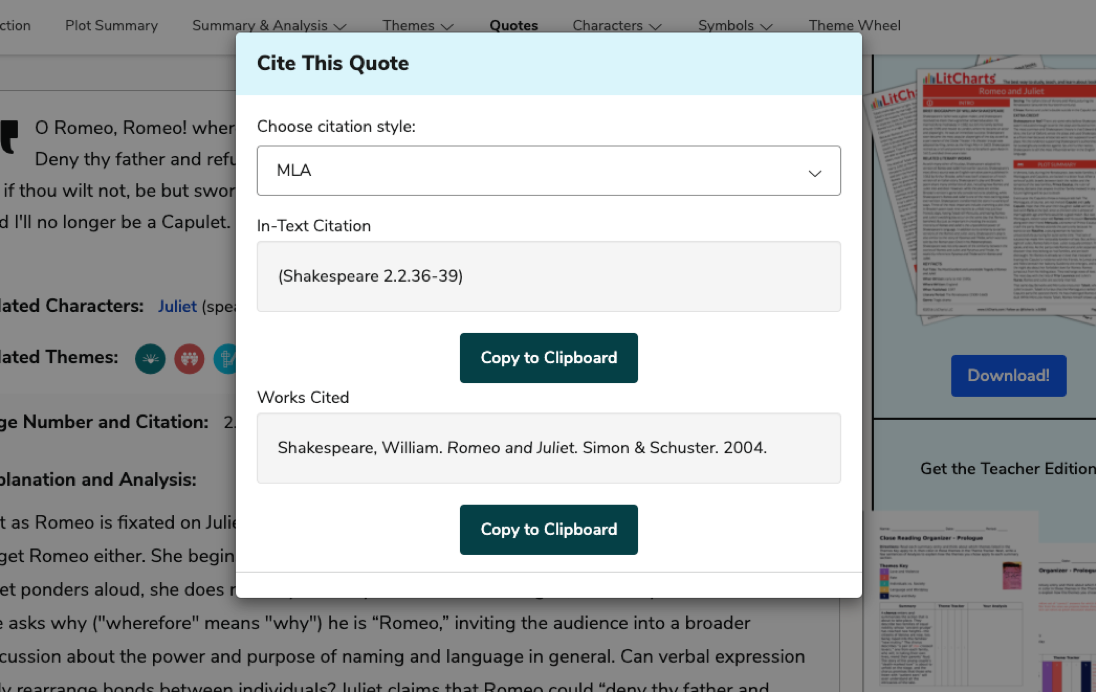
Then understand it perfectly. And get the citation, too. For all 35,000+ quotes we cover.

|
Have questions?
Contact us
Already a member? Sign in
|
Emilia’s cynicism functions as a foil for Desdemona’s naivety, emphasizing Desdemona’s honesty and innocence. Emilia’s worldly experience, perceptiveness, and dark sense of humor form a contrast with Desdemona’s purity. This difference becomes apparent in the following exchange:
Desdemona: Dost thou in conscience think—tell me, Emilia—
That there be women do abuse their husbands
In such gross kind?Emilia: There be some such, no question.
Desdemona: Wouldst thou do such a deed for all the world?
Emilia: Why, would not you?
Desdemona: No, by this heavenly light!
Emilia: Nor I neither, by this heavenly light.
I might do ’t as well i’ th’ dark.[...]
Desdemona: In troth, I think thou wouldst not.
Emilia: In troth, I think I should
Desdemona’s disbelief at the idea that a woman could betray her husband highlights the purity and innocence of Desdemona’s worldview, in contrast to Emilia, who jokes that she would betray her husband, provided it brought enough gains, of course. The dynamics of this exchange, with Desdemona being the questioner, also shows the disparity between the two women’s knowledge, with Emilia being the authoritative figure. This dynamic highlights Emilia’s greater worldliness.
Furthermore, Emilia’s use of wit showcases her cleverness, but also her greater willingness to play with contrivances and double meanings, a quality that contrasts with Desdemona, who always says as she means. Accordingly, Emilia also proves more willing to deceive than Desdemona, stealing her handkerchief in order to please her husband. Desdemona, on the other hand, remains a figure of unequivocal honesty throughout. This difference has similar implications on the levels of perceptiveness possessed by the two women, with Emilia also more able to detect other characters’ duplicity. It is Emilia, after all, who will be the one to work out what has happened and deliver the final revelation to Othello. This perceptiveness simultaneously highlights Desdemona’s naive and over-trusting nature, a trait that will prove fatal.
Shakespeare further presents Desdemona and Emilia as foils by contrasting Desdemona’s submissive and passive nature with Emilia’s independence. Whereas Desdemona idealizes her husband, seeing him as a bastion of honor and truth, Emilia’s attitude towards men contains a more healthy cynicism. Emilia’s final denunciation of her husband, for example, stands in start contrast to Desdemona, who remains faithful and loving to Othello to the last, even after he has killed her.



 Teacher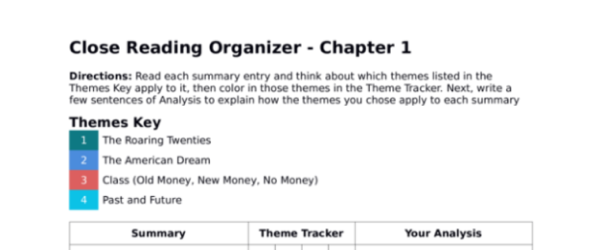













|
Close Reading Organizers |

|
Character Analysis Organizers |

|
Symbol Analysis Organizers |

|
Theme Analysis Organizers |

|
Quote Analysis Organizers |
Common Core-aligned