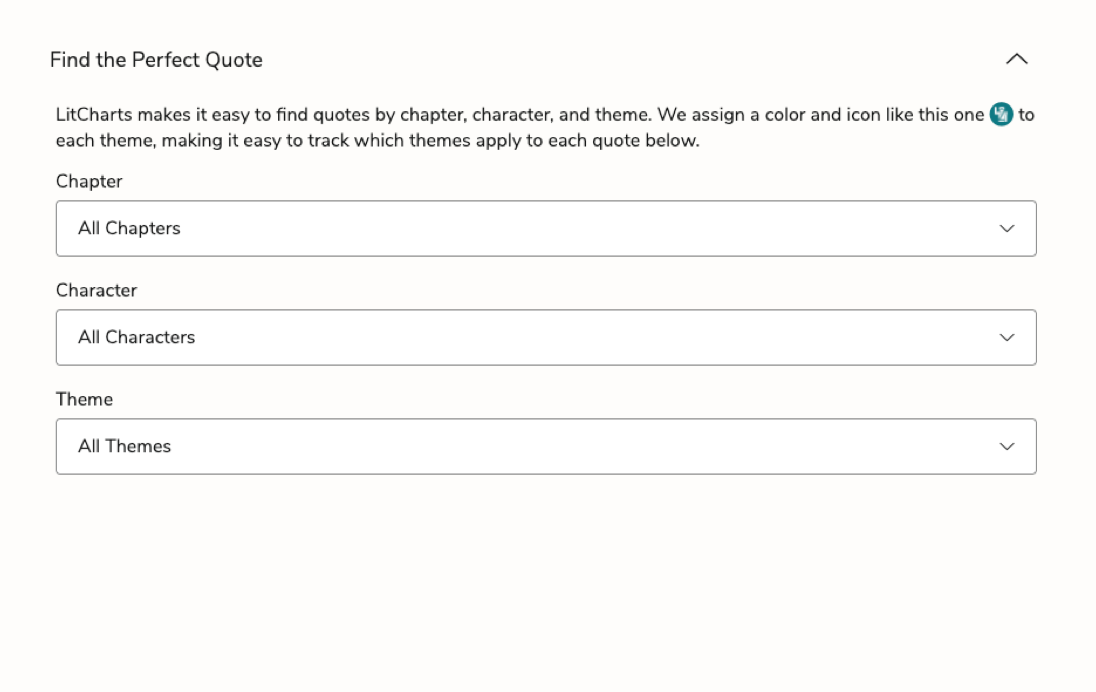
Find the perfect quote
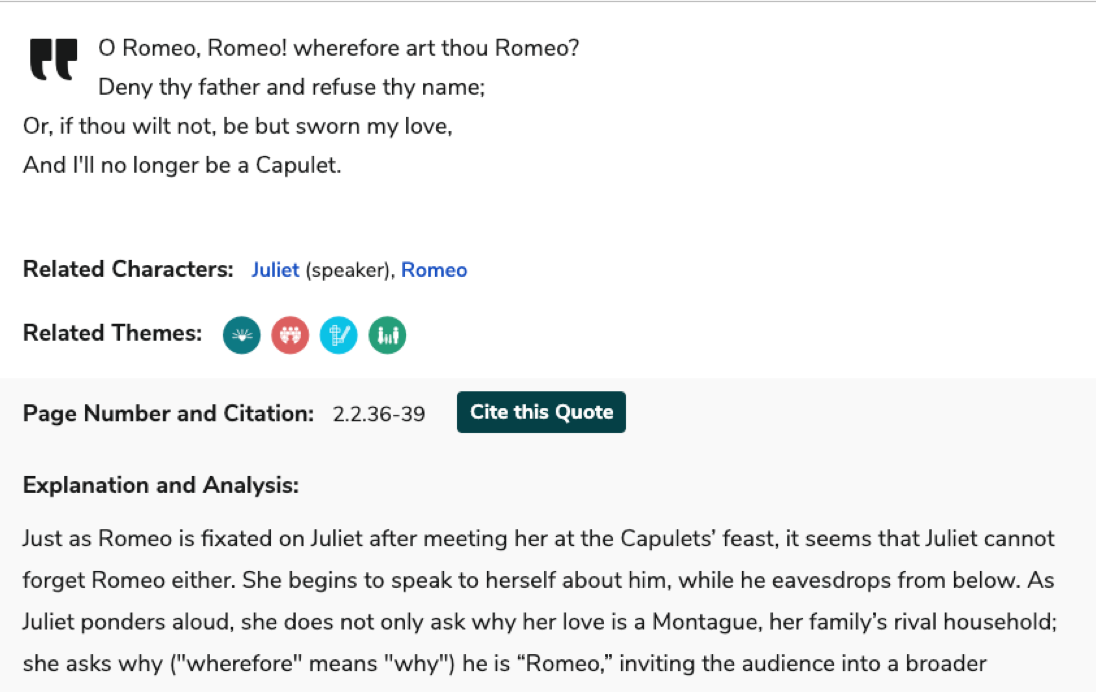
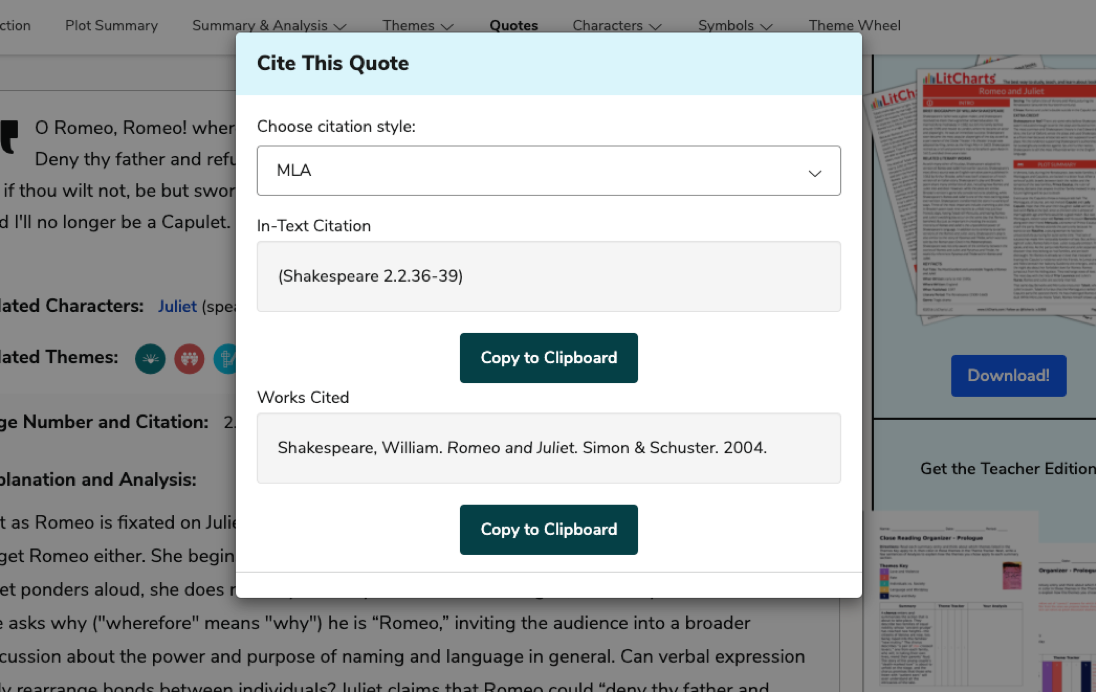
Then understand it perfectly. And get the citation, too. For all 35,000+ quotes we cover.

|
Have questions?
Contact us
Already a member? Sign in
|
Shakespeare sets up Iago and Othello as foils of one another, with Iago’s duplicity and control designed to emphasize Othello’s honest and open nature.
Throughout the play, Iago is proven to be a duplicitous, scheming character; he says one thing to one and the opposite to another. Where he tells Othello “I love you” in person, in private he scorns how he hates "the Moor." Iago is a character who knows that things are not as they seem. Indeed, he himself freely admits “I am not what I am.” By contrast, Shakespeare emphasizes Othello’s trust in appearances. He is “of a free and open nature / That thinks men honest that but seem to be so”. When needing to know if Desdemona is being unfaithful, Othello demands the “ocular proof”; in other words, Othello believes in what he can see. Othello’s belief in things being as they appear emphasizes Iago’s cynical worldview, where everything is false. By setting up this opposition, Shakespeare simultaneously emphasizes Iago’s capacity to deceive and Othello’s susceptibility to manipulation.
This contrast is reinforced by the differences in how Iago and Othello speak throughout the play. While Othello consistently speaks in blank verse, Iago effortlessly switches between prose and verse depending on who he is talking to. This ease in switching register highlights Iago’s chameleon-like nature, with him able to match his appearance to what is most advantageous for him, while the consistency in style in which Othello talks to everyone emphasizes his honesty and integrity.
This foil is reinforced at the end of the play when everything is found out. While Othello turns to words, expressing his grief with lengthy and open speech, Iago chooses silence:
Demand me nothing. What you know, you know.
From this time forth I never will speak word.
Iago’s willed silence shows his mastery of control; even when everything is out in the open, he will not speak freely. Whereas Othello’s speech becomes increasingly frantic and babbling, punctuated with multiple “O”s and exclamations, Iago’s remains measured and calculated. His final comment that “what you know, you know” shows his determination that he will remain in control of the narrative until the very end.



 Teacher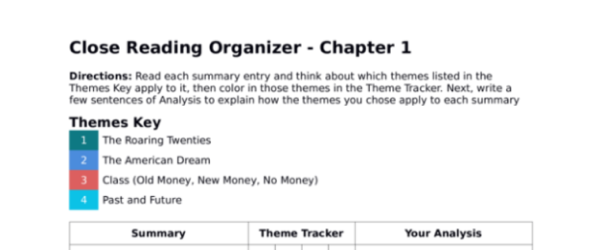
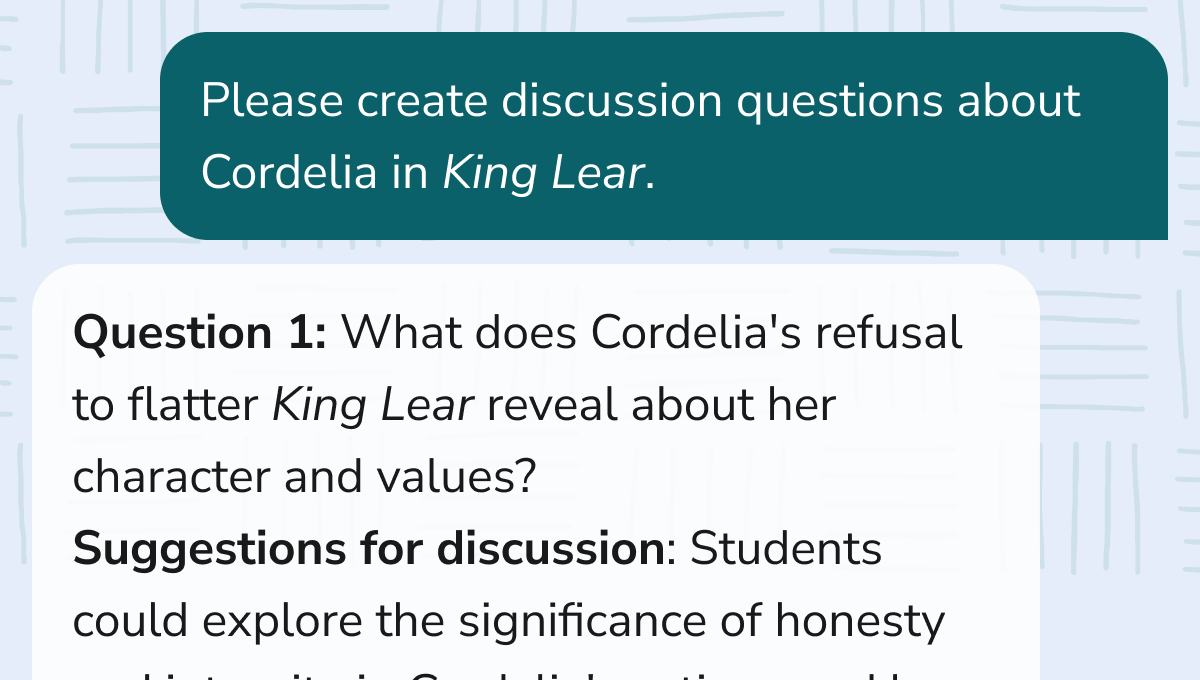
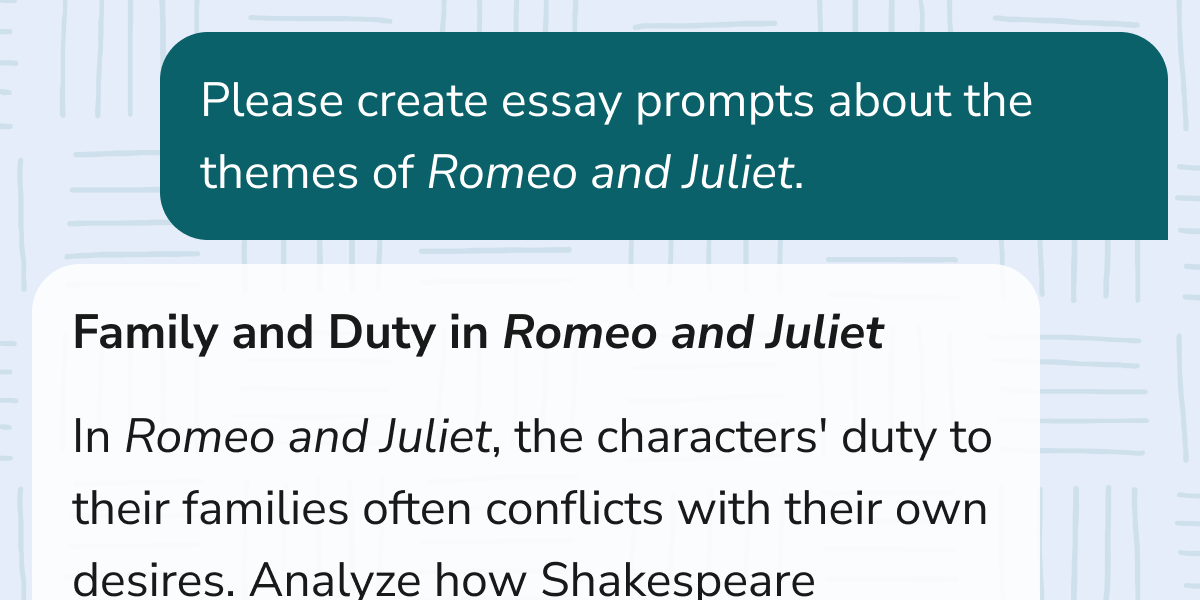














|
Close Reading Organizers |

|
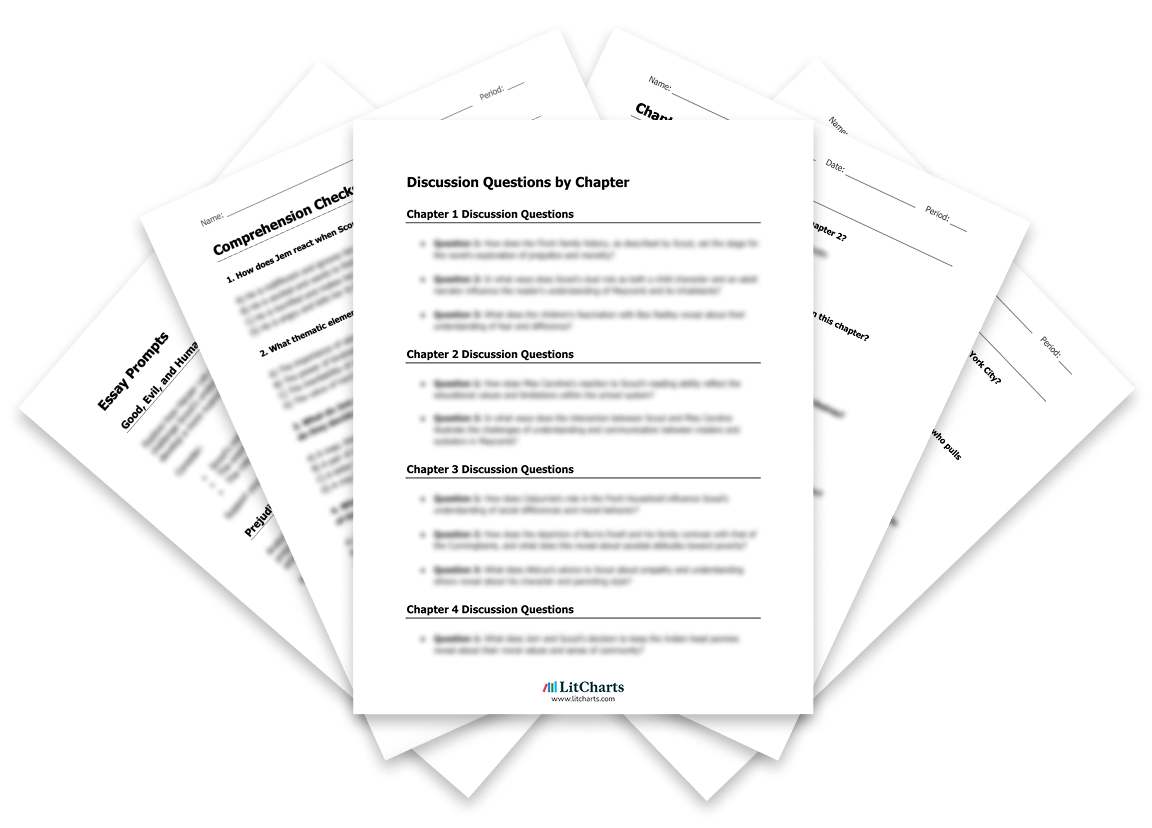
Character Analysis Organizers |

|
Symbol Analysis Organizers |

|
Theme Analysis Organizers |

|
Quote Analysis Organizers |
Common Core-aligned