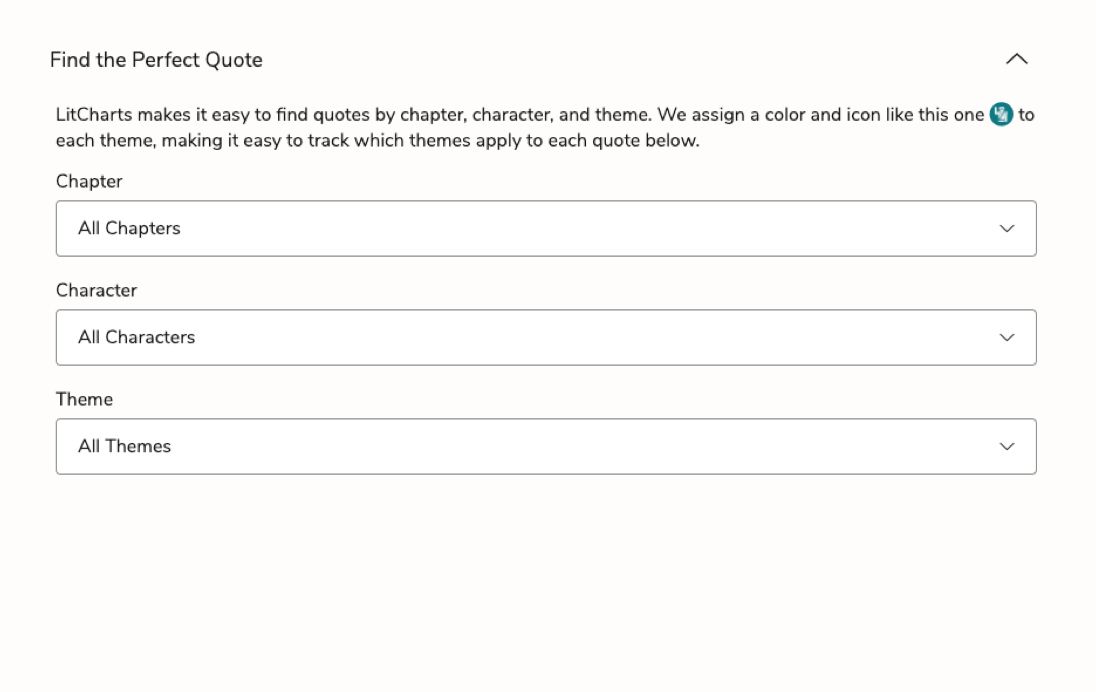
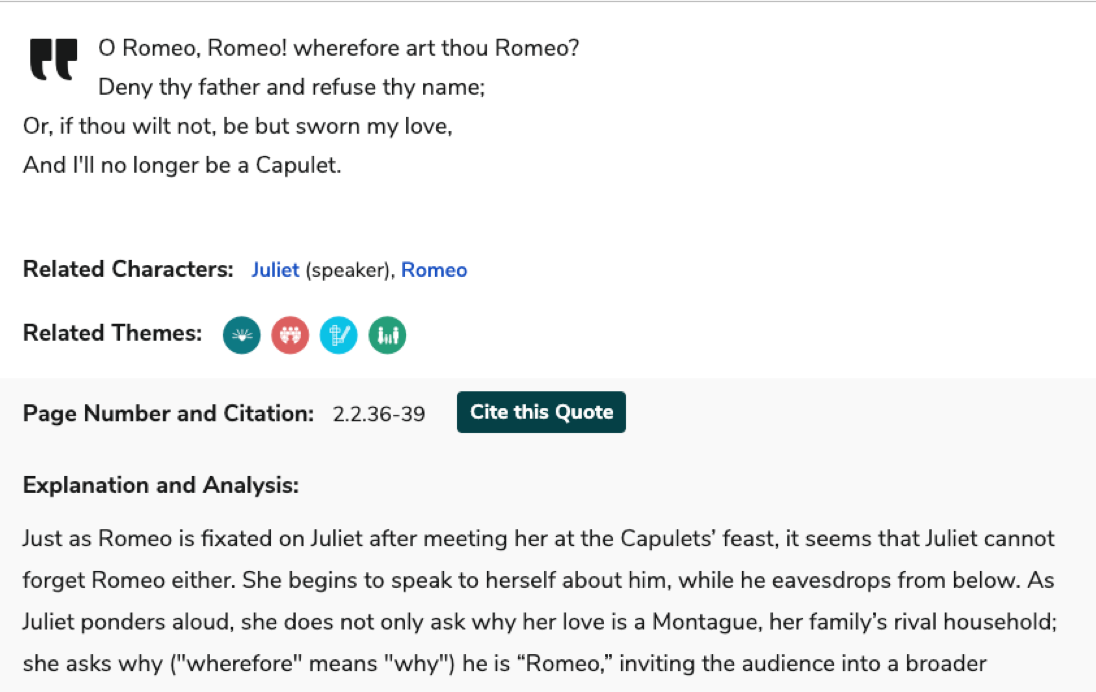
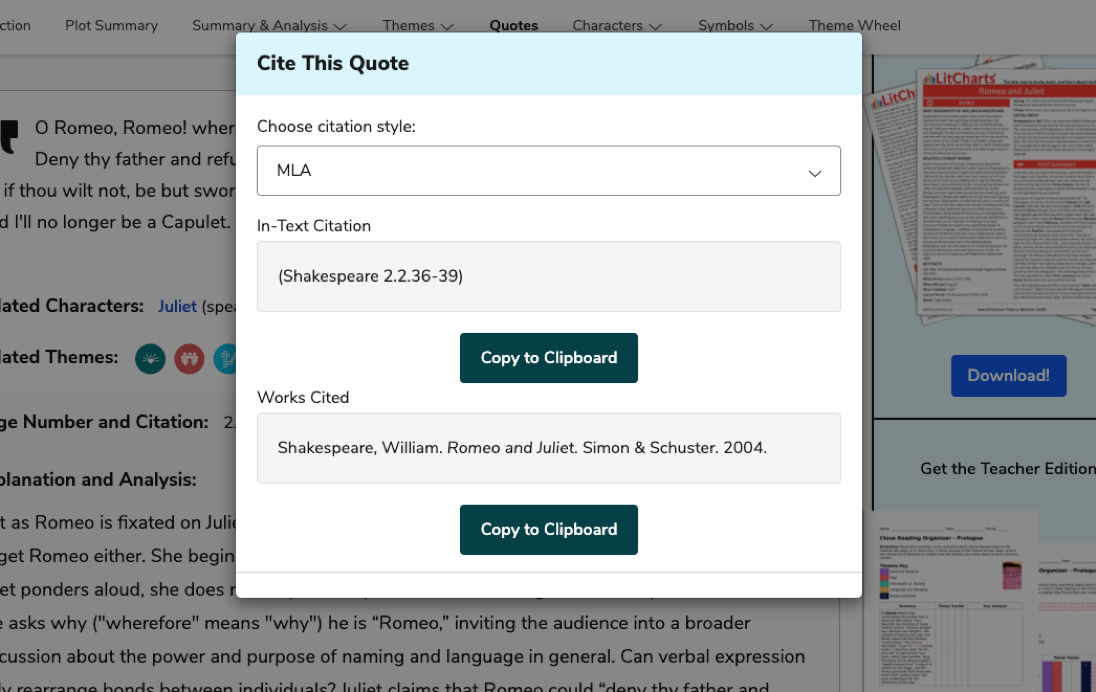
Find the perfect quote
Then understand it perfectly. And get the citation, too. For all 35,000+ quotes we cover.

|
Have questions?
Contact us
Already a member? Sign in
|
The character of Fortinbras serves as a foil for Hamlet. Because he is the young leader of a conquering army and a constant source of anxiety, he looms large in the play despite being onstage for a very limited period. The most significant similarity between the two men is that Fortinbras also wishes to avenge the death of his father. He acts with more emphasis than Hamlet does and therefore accentuates Hamlet’s paranoia and constant vacillation. Hamlet addresses his insecurities and bemoans Fortinbras’s presence. He is convinced that Fortinbras is making him look tentative:
Witness this army of such mass and charge,
Led by a delicate and tender prince,
Whose spirit with divine ambition puffed
Makes mouths at the invisible event,
Exposing what is mortal and unsure
To all that fortune, death, and danger dare,
Even for an eggshell. […]
How stand I, then,
That have a father killed, a mother stained,
Excitements of my reason and my blood,
And let all sleep, while to my shame I see
The imminent death of twenty thousand men
That for a fantasy and trick of fame
Go to their graves like beds, fight for a plot
Because Fortinbras and Hamlet are both power-holding princes, variously prepared for the helm of their respective nations, the way that they each respond highlights Hamlet’s lack of decisiveness. As Fortinbras attempts to invade Denmark, Hamlet can’t help but feel ineffectual and whiny. It is almost as though Hamlet can sense that he is being compared to the other, more accomplished prince. This doesn’t make it easier for him to decide whether he is prepared to seek revenge for his father’s death—in fact it continues to cloud his sense of reality.



 Teacher






|
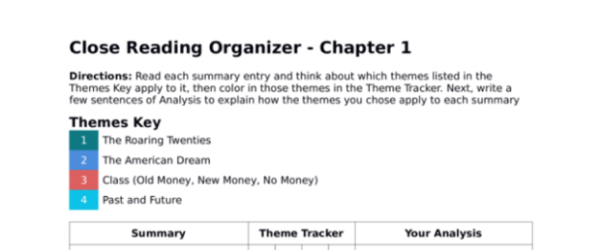
Close Reading Organizers |

|
Character Analysis Organizers |

|
Symbol Analysis Organizers |

|
Theme Analysis Organizers |

|
Quote Analysis Organizers |
Common Core-aligned