Find the perfect quote
Then understand it perfectly. And get the citation, too. For all 35,000+ quotes we cover.

|
Have questions?
Contact us
Already a member? Sign in
|
In Chapter 8, Dickens uses two similar and layered metaphors of death and entombment to stress the impact of Miss Havisham's ghastly appearance. Pip, on seeing her for the first time, says:
Once I had been taken to see some ghastly waxwork at the Fair, representing I know not what impossible personage lying in state. Once, I had been taken to one of our old marsh churches to see a skeleton in the ashes of a rich dress, that had been dug out of a vault under the church pavement. Now, waxwork and skeleton seemed to have dark eyes that moved and looked at me.
The diction of this passage is unusually stilted for Dickens. By directly contrasting two uncanny experiences almost in the same breath, the author implies that Pip is having two almost simultaneous flashes of memory. These come together as his eyes try to interpret what is in front of them, as the scene is so bizarre.
Dickens indicates that Havisham is both waxwork and skeleton, at once alive and dead, through this use of language. He foreshadows the extraordinary story of her ill-fated wedding day and the living death she consigns herself to. It is not exactly a flattering description of a living person that Dickens gives the reader here: what Pip is seeing is a lonely old crone, but what he describes are the "ashes of a rich dress" hanging from the false flesh of a "ghastly waxwork."
Pip also says "once" twice, indicating through repetition that the experience before him exceeds both previous nasty occasions. Right from the beginning of their acquaintance, Havisham is associated with the language of burial alive—the "vault under the pavement"—and of living death, as her startling eyes "move and look" at Pip in an otherwise skeletal face.


 Teacher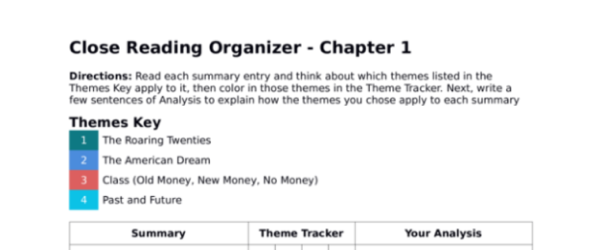
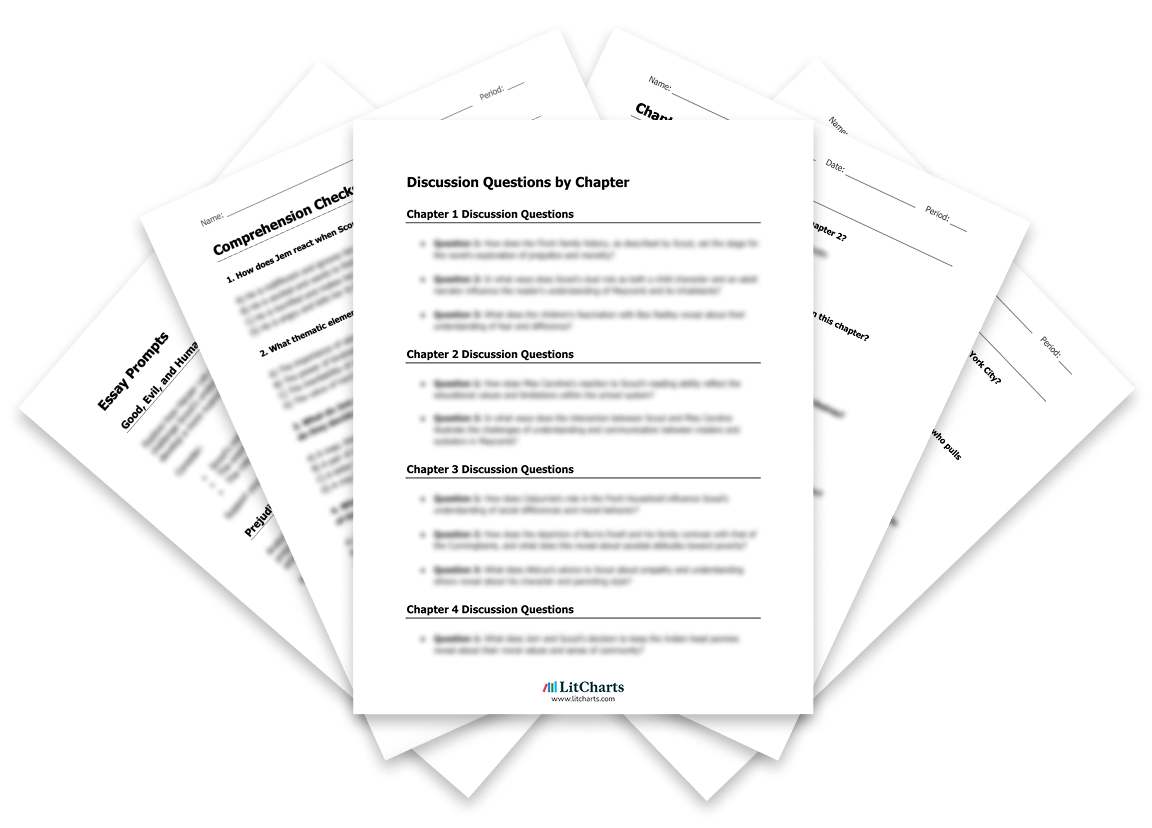
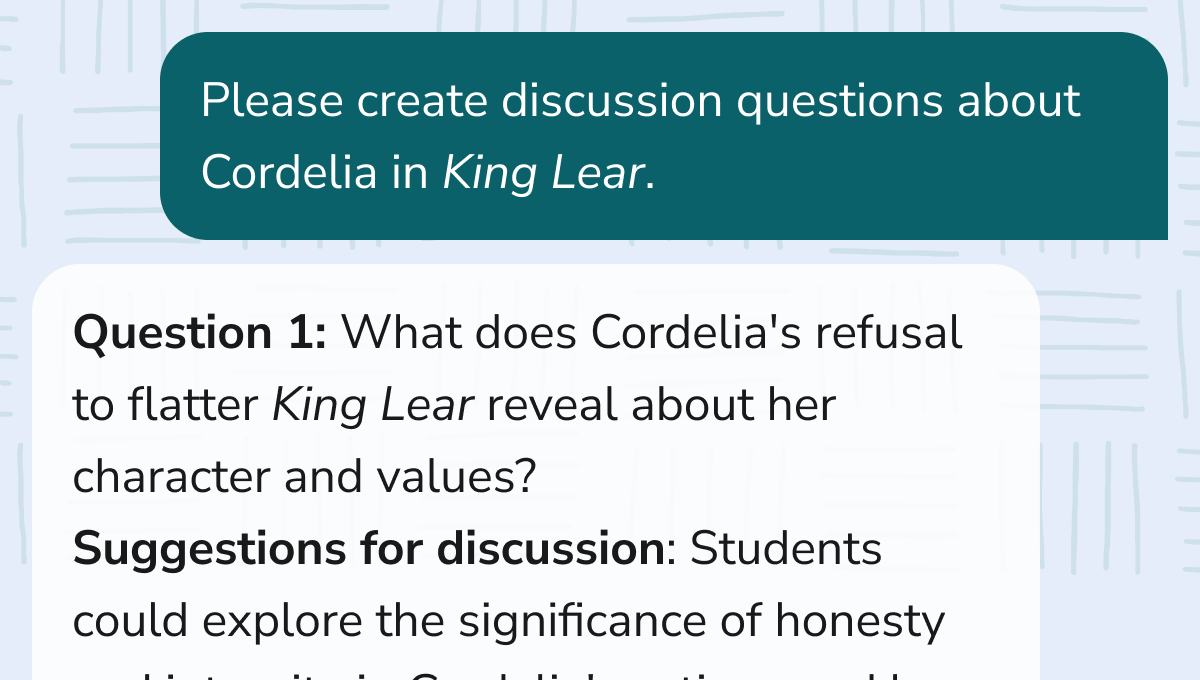
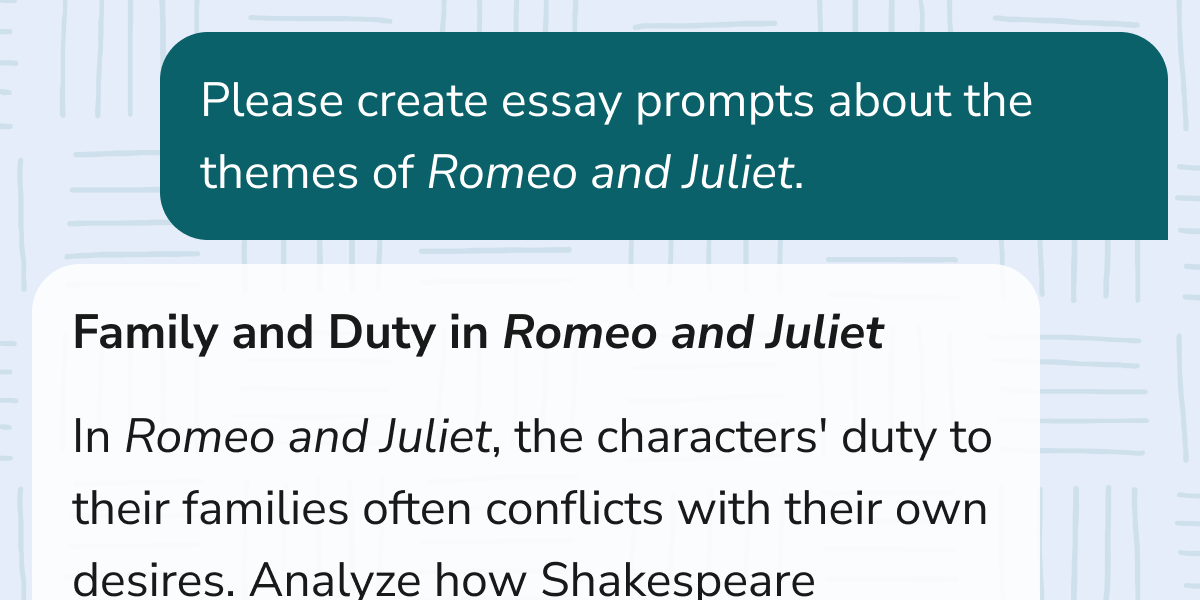











|
Close Reading Organizers |

|
Character Analysis Organizers |

|
Symbol Analysis Organizers |

|
Theme Analysis Organizers |

|
Quote Analysis Organizers |
Common Core-aligned