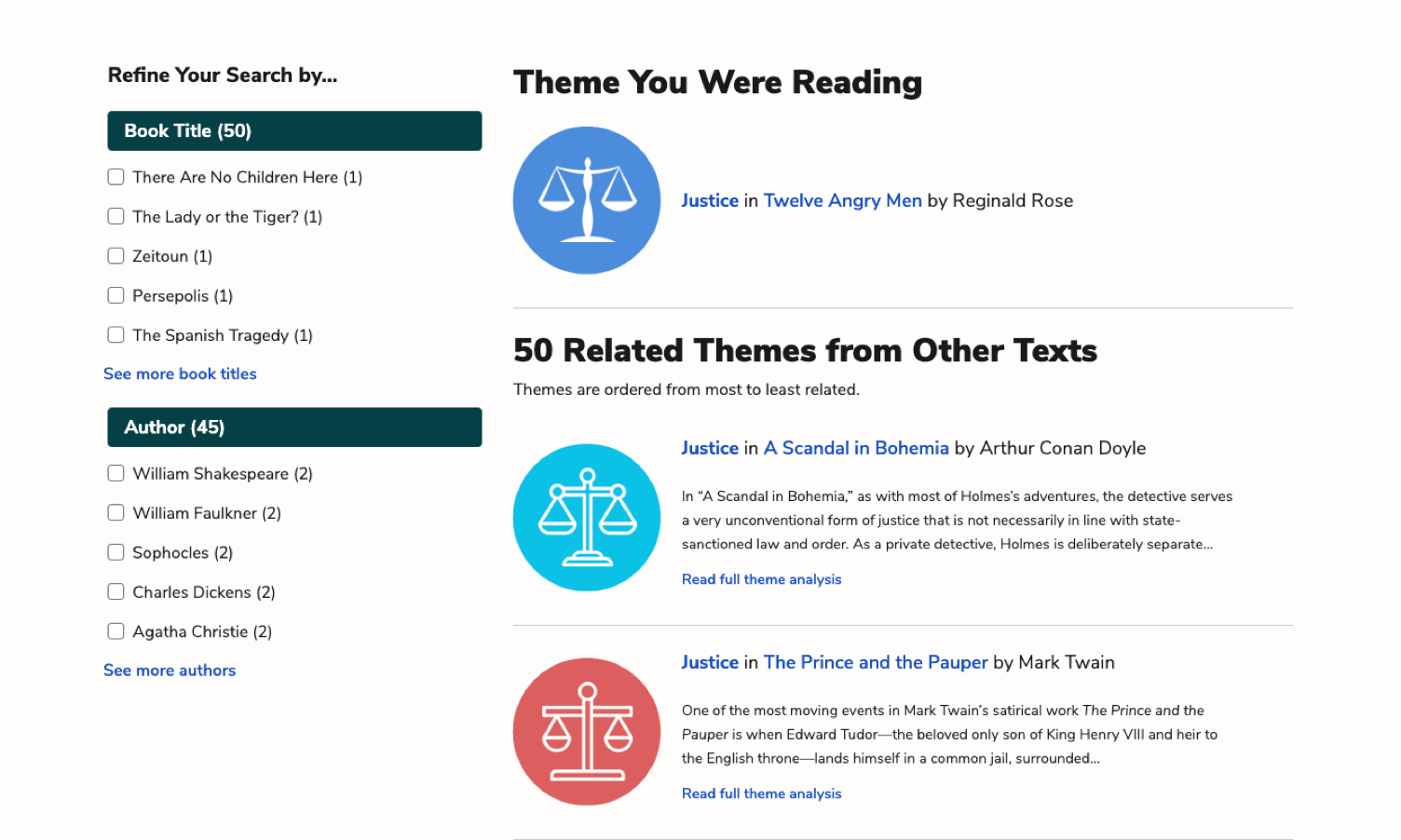
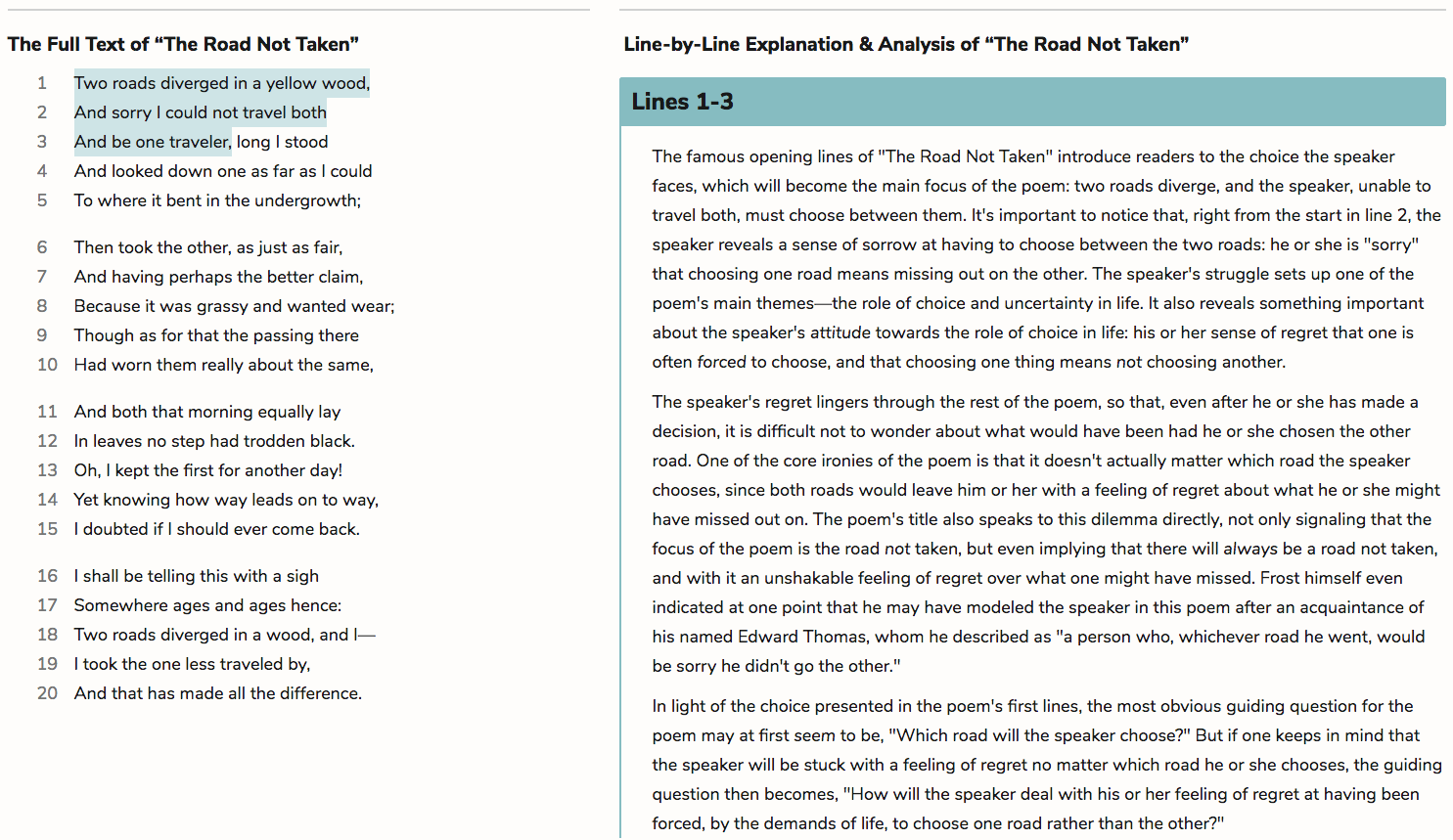
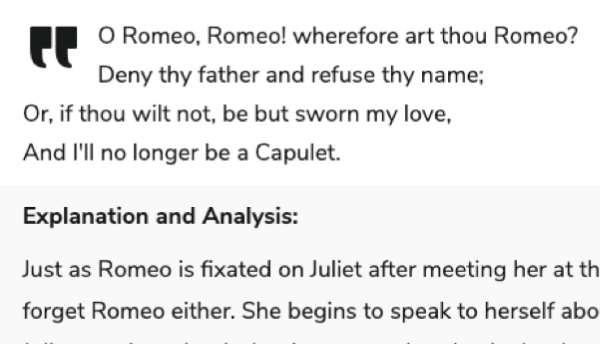
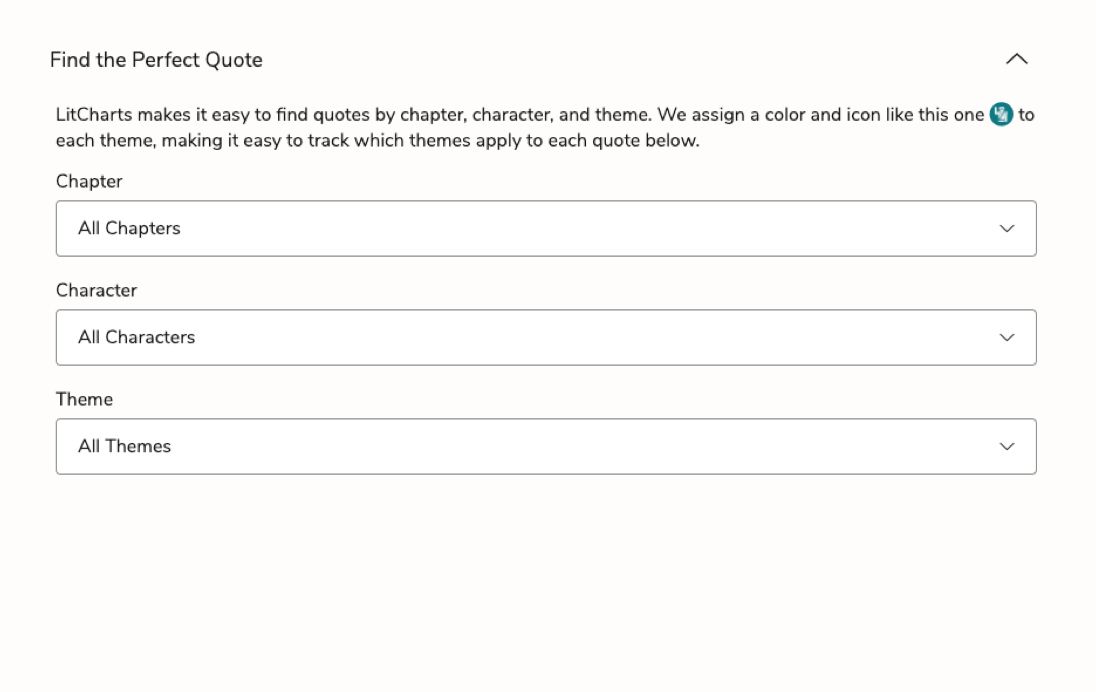
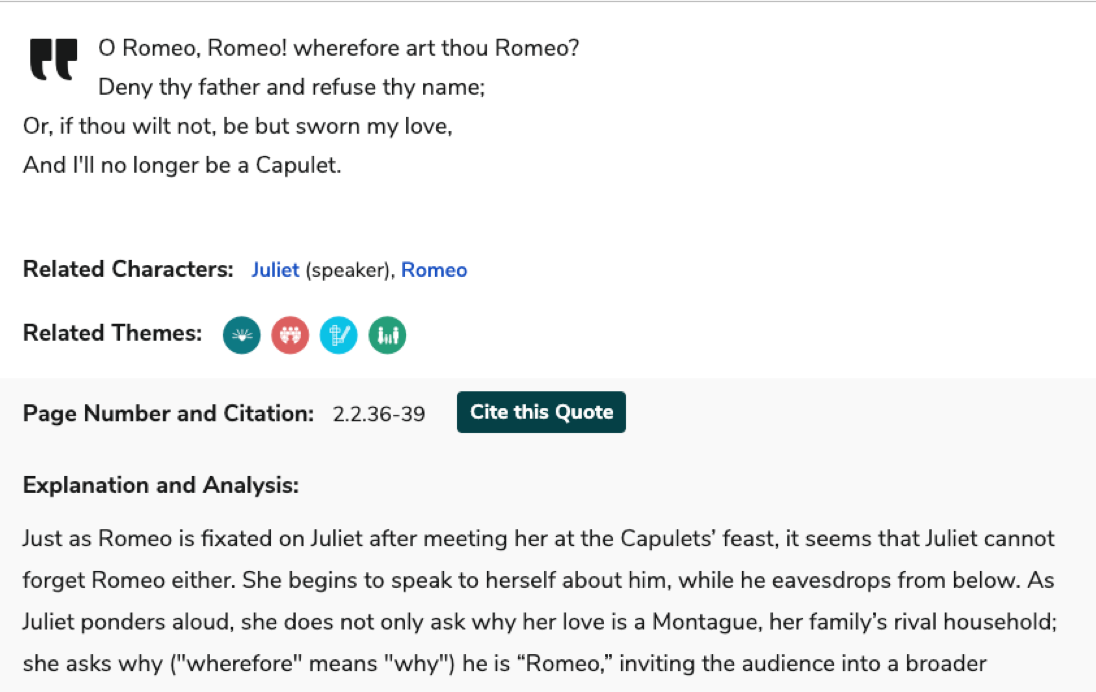
Find the perfect quote
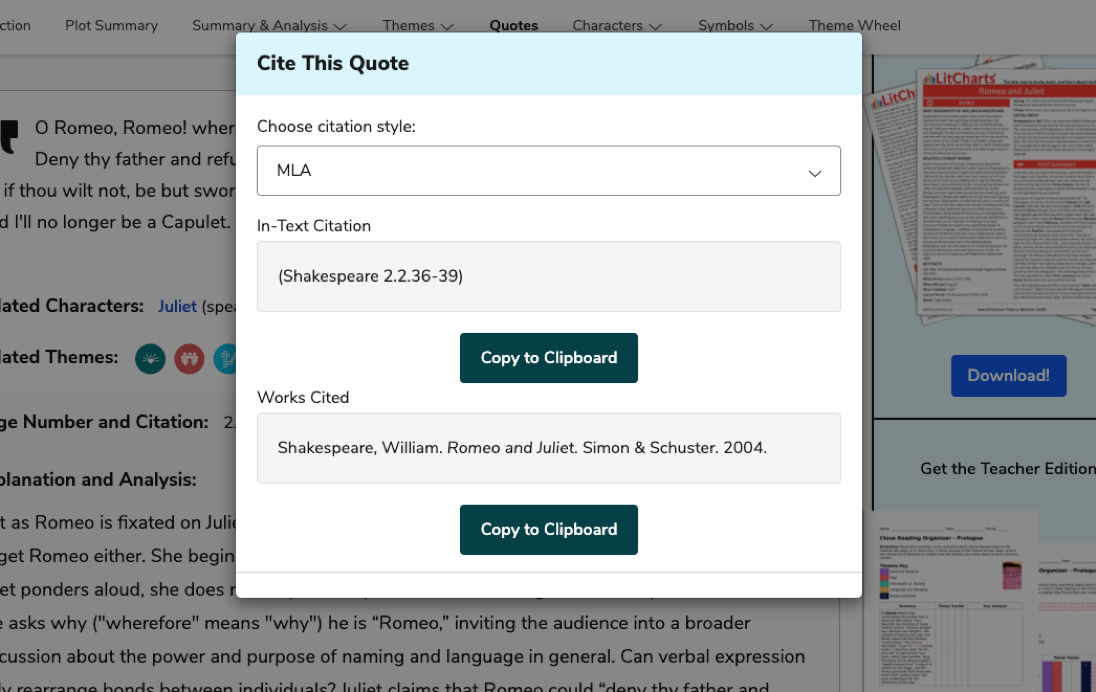
Then understand it perfectly. And get the citation, too. For all 35,000+ quotes we cover.

|
Have questions?
Contact us
Already a member? Sign in
|
When describing Miss Lottie’s broken-down house, Lizabeth uses hyperbolic language, as seen in the following passage:
A brisk wind might have blown it down, and the fact that it was still standing implied a kind of enchantment that was stronger than the elements. There it stood, and as far as I know is standing yet—a gray rotting thing with no porch, no shutters, no steps, set on a cramped lot with no grass, not even any weeds—a monument to decay.
Lizabeth uses a number of hyperboles in reference to Miss Lottie’s here, starting with her claim that “a brisk wind might have blown it down.” This is clearly an exaggeration meant to help readers understand just how rickety and worn-down the house is. Her claim that the only way the house could still be standing is due to “a kind of enchantment that was stronger than the elements” is again hyperbolic. There is no other reference to enchantments or magic in the story, so readers can assume that Lizabeth is only using this extreme language in order to capture the house’s ramshackle nature. The final use of hyperbolic language here—in which Lizabeth refers to the house as “a monument to decay”—furthers her goal of capturing the house’s dilapidated condition.
All of these exaggerated descriptions are significant in that they help readers to understand how poor Miss Lottie is, which thereby helps them to understand how significant it is that she puts her limited resources into growing and tending to her marigolds. In other words, Miss Lottie may have given up on maintaining her house, but she clearly refuses to let her inequitable society fully strip her of beauty and abundance.


 Teacher









|
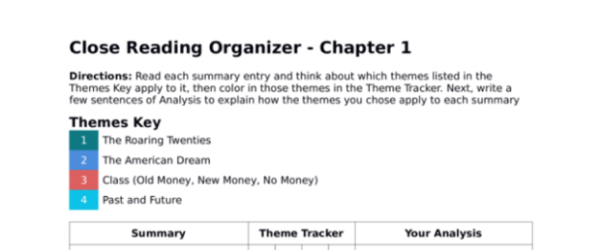
Close Reading Organizers |

|
Character Analysis Organizers |

|
Symbol Analysis Organizers |

|
Theme Analysis Organizers |

|
Quote Analysis Organizers |
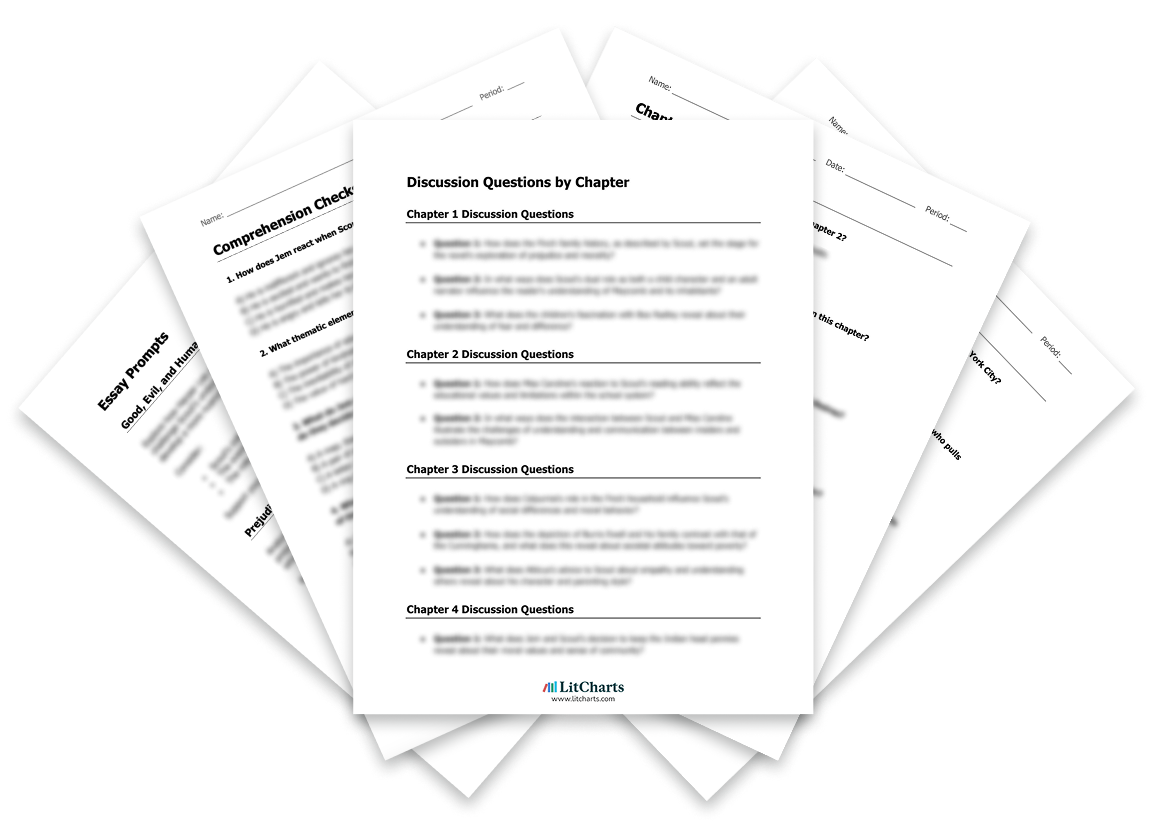
Common Core-aligned