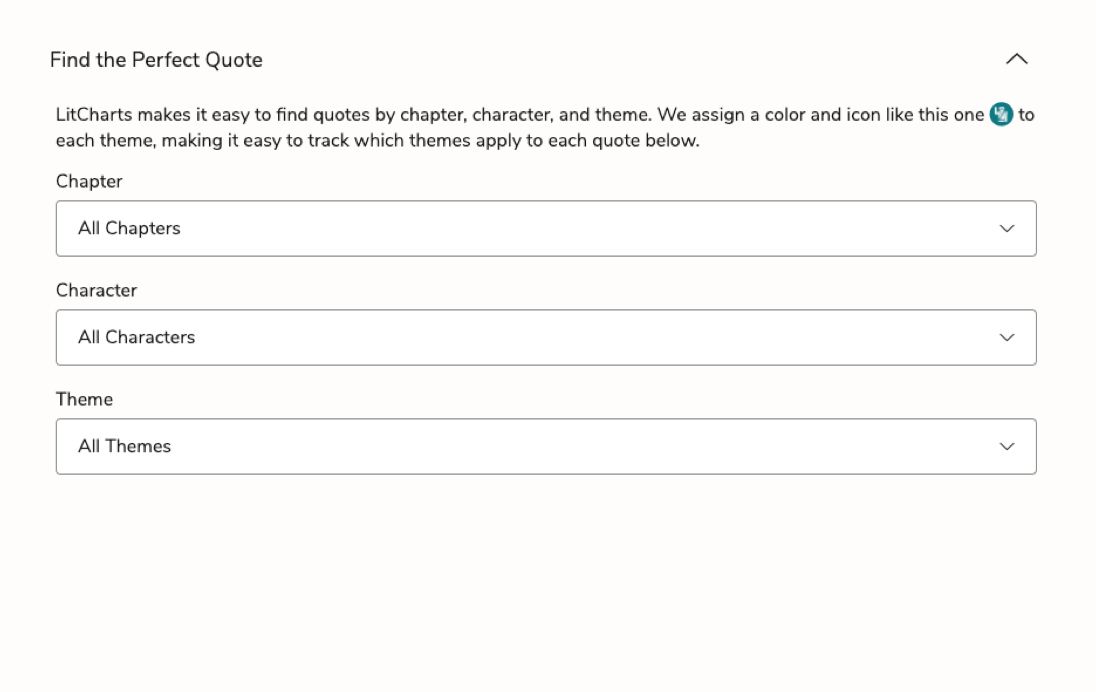
Find the perfect quote
Then understand it perfectly. And get the citation, too. For all 35,000+ quotes we cover.

|
Have questions?
Contact us
Already a member? Sign in
|
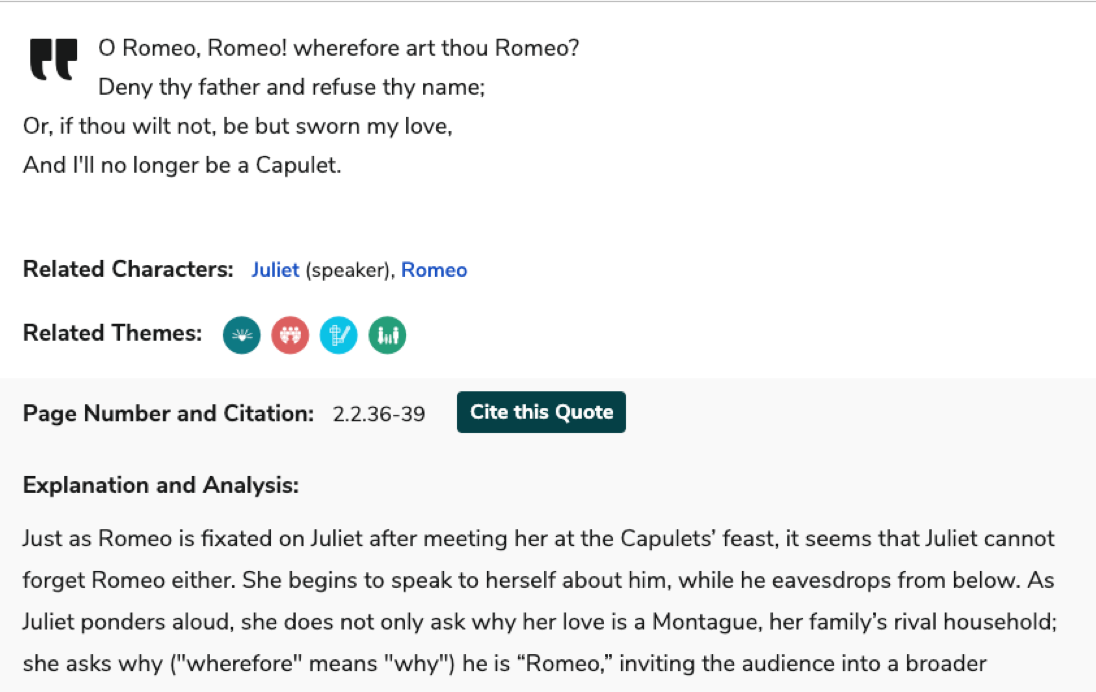
After Ponyboy finds Johnny's letter hidden in his copy of Gone with the Wind, Ponyboy wants to challenge the plight of the greasers. With a hyperbole, Ponyboy articulates his desire to help other boys like him find beauty in the world and brighter days in their future:
Suddenly it wasn’t only a personal thing to me. I could picture hundreds and hundreds of boys living on the wrong sides of cities, boys with black eyes who jumped at their own shadows. Hundreds of boys who maybe watched sunsets and looked at stars and ached for something better. I could see boys going down under street lights because they were mean and tough and hated the world, and it was too late to tell them that there was still good in it, and they wouldn’t believe you if you did.
In this moment of revelation, Ponyboy’s own problems suddenly seem bigger than him, so much so that he hyperbolizes in his mind. He pictures “hundreds and hundreds of boys” going through the same social divides and violence as the Socs and greasers. These hundreds of boys are experiencing the same pain as Ponyboy and are constantly wishing for “something better.”
Yet, Ponyboy’s hyperbole offers a grain of truth and reality. His revelation suggests that maybe there are actually hundreds of boys “living on the wrong sides of cities.” This hyperbole brings to the surface not only the gravity of Ponyboy’s situation but also the importance of changing it on a broader level—that is, in a way that will have a meaningful impact not just on him but on others, too.


 Teacher









|
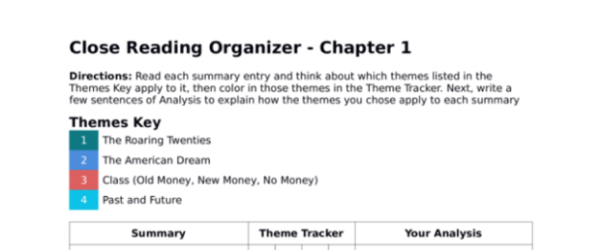
Close Reading Organizers |

|
Character Analysis Organizers |

|
Symbol Analysis Organizers |

|
Theme Analysis Organizers |

|
Quote Analysis Organizers |
Common Core-aligned