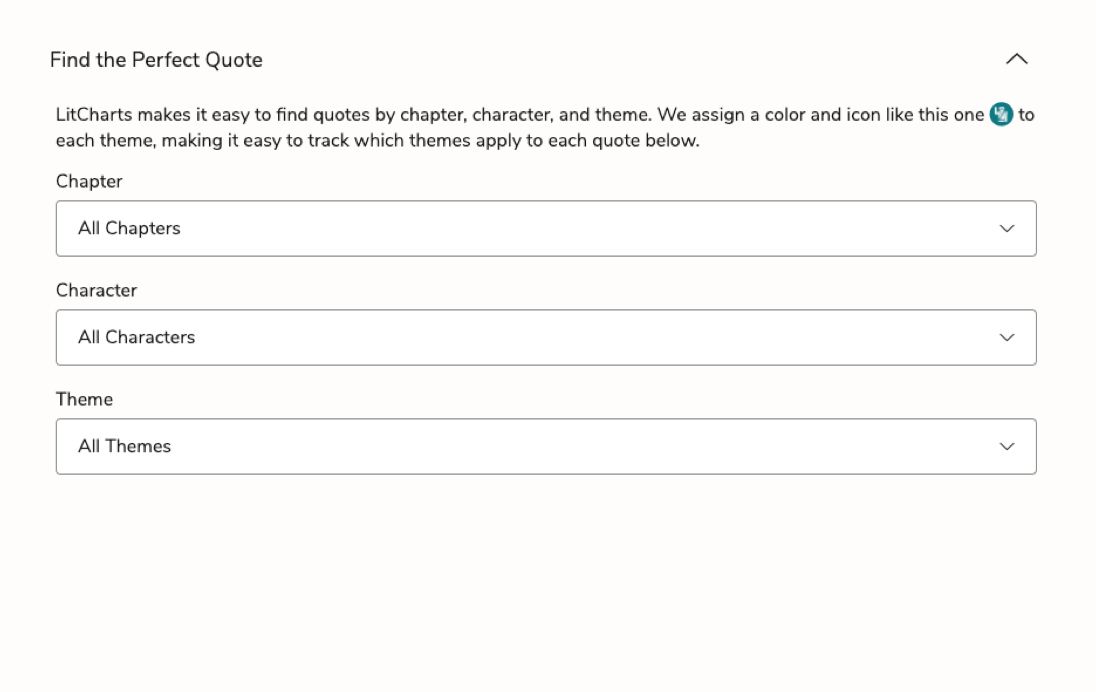
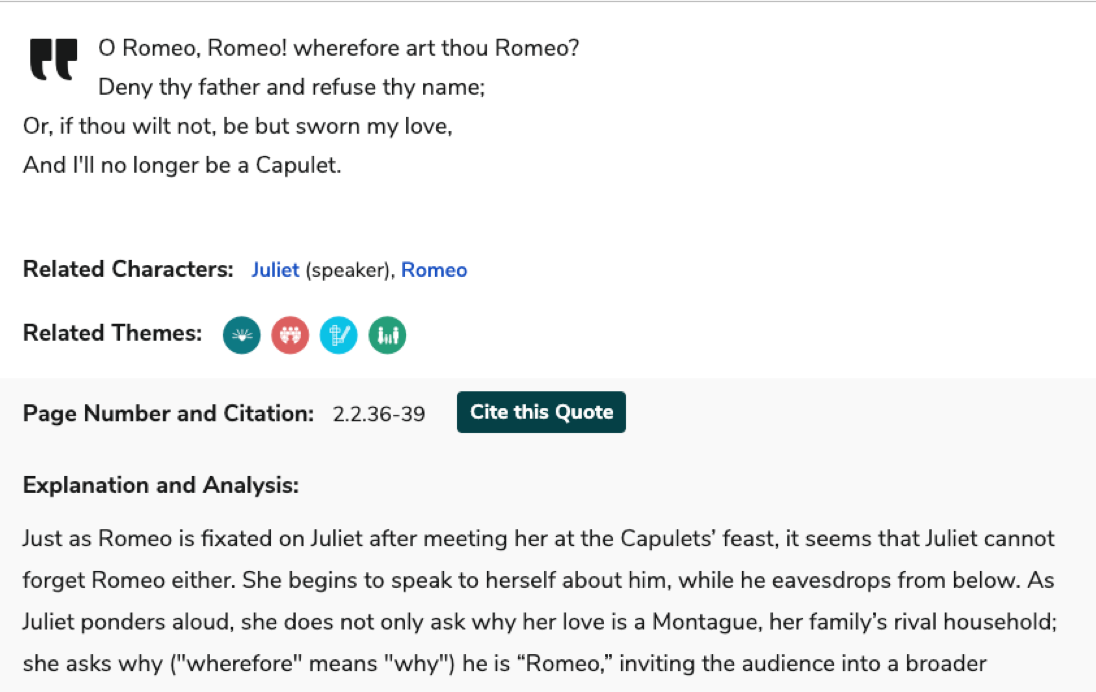
Find the perfect quote
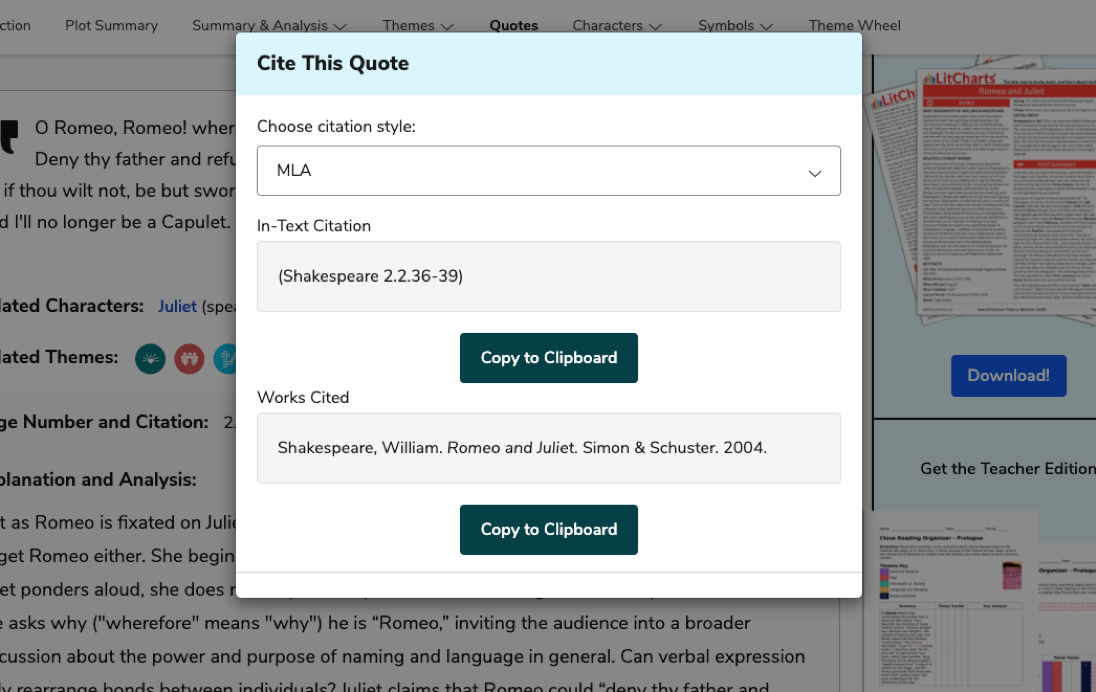
Then understand it perfectly. And get the citation, too. For all 35,000+ quotes we cover.

|
Have questions?
Contact us
Already a member? Sign in
|
After Hargrave tries to force himself on Helen sexually and she refuses him, he expresses his anger using a hyperbole, as seen in the following passage:
His face grew blanched with anger.
“I am satisfied,” he replied with bitter emphasis, “that you are the most cold-hearted, unnatural, ungrateful woman I ever yet beheld!”
“Ungrateful sir?”
“Ungrateful.”
“No, Mr Hargrave; I am not. For all the good you ever did me, or ever wished to do, I most sincerely thank you: for all the evil you have done me, and all you would have done, I pray God to pardon you, and make you of a better mind.”
Calling Helen “the most cold-hearted, unnatural, ungrateful woman” he has ever met is clearly an exaggeration stemming from his wounded pride. This hyperbolic language communicates how entitled Hargrave feels to Helen, despite the fact that she is married and has not expressed interest in being with him. Brontë trusts that readers will understand Hargrave’s words to be an overreaction that has more to do with his sexism than Helen’s true character—she has not done “evil” to Hargrave and does not need pardoning. Hargrave, in fact, is the one who needs pardoning due to his harmful behavior.



 Teacher










|
Close Reading Organizers |

|
Character Analysis Organizers |

|
Symbol Analysis Organizers |

|
Theme Analysis Organizers |

|
Quote Analysis Organizers |
Common Core-aligned