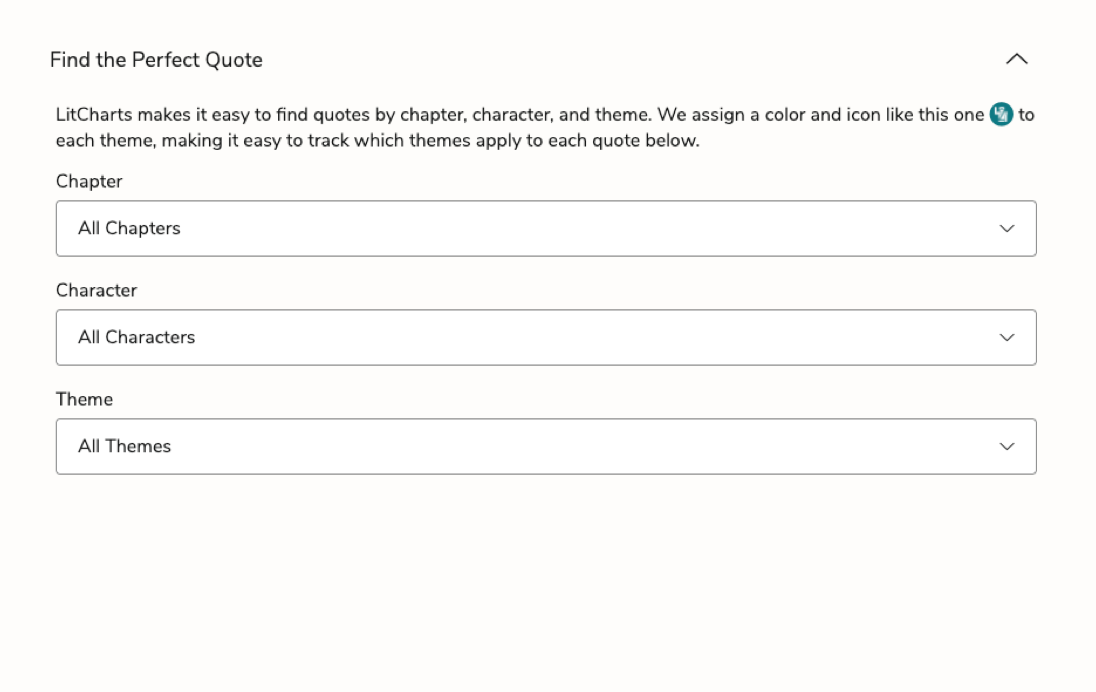
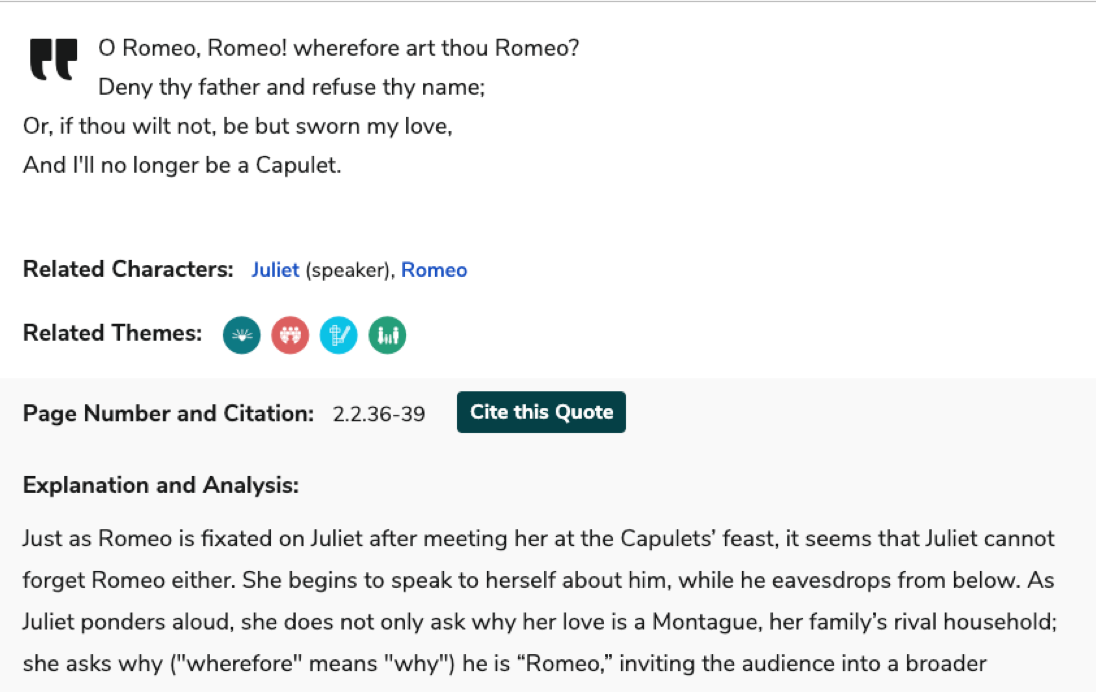
Find the perfect quote
Then understand it perfectly. And get the citation, too. For all 35,000+ quotes we cover.

|
Have questions?
Contact us
Already a member? Sign in
|
The narrator uses both imagery and hyperbole to depict the frenzied scene in which Grendel attacks the mead-hall Heorot:
Angry were both
those savage hall-guards: the house resounded.
Wonder it was the wine-hall firm
in the strain of their struggle stood, to earth
the fair house fell not; too fast it was
within and without by its iron bands
craftily clamped; though there crashed from sill
many a mead-bench—men have told me—
gay with gold, where the grim foes wrestled.
So well had weened the wisest Scyldings
that not ever at all might any man
that bone-decked, brave house break asunder,
crush by craft,—unless clasp of fire
in smoke engulfed it. Again uprose din redoubled.
Here, the imagery is sharp and focused, drawing from multiple senses, including sight and sound. The narrator notes the long, noisy “din” that fills the hall, the shaking of the building’s walls, and the benches that crash as they are flung during the climactic fight between Grendel and Beowulf. The narrator also uses hyperbole, claiming that it was a “wonder” that the hall did not collapse entirely during the course of the fight, but later acknowledging that the well-made building would “not ever” actually fall unless by fire. The narration in this scene, then, with its vivid imagery and hyperbolic language, emphasizes the scale of this momentous fight.




 Teacher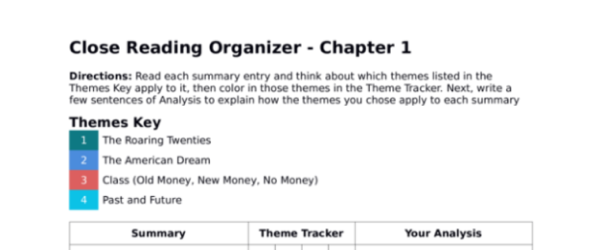















|
Close Reading Organizers |

|
Character Analysis Organizers |

|
Symbol Analysis Organizers |

|
Theme Analysis Organizers |

|
Quote Analysis Organizers |
Common Core-aligned