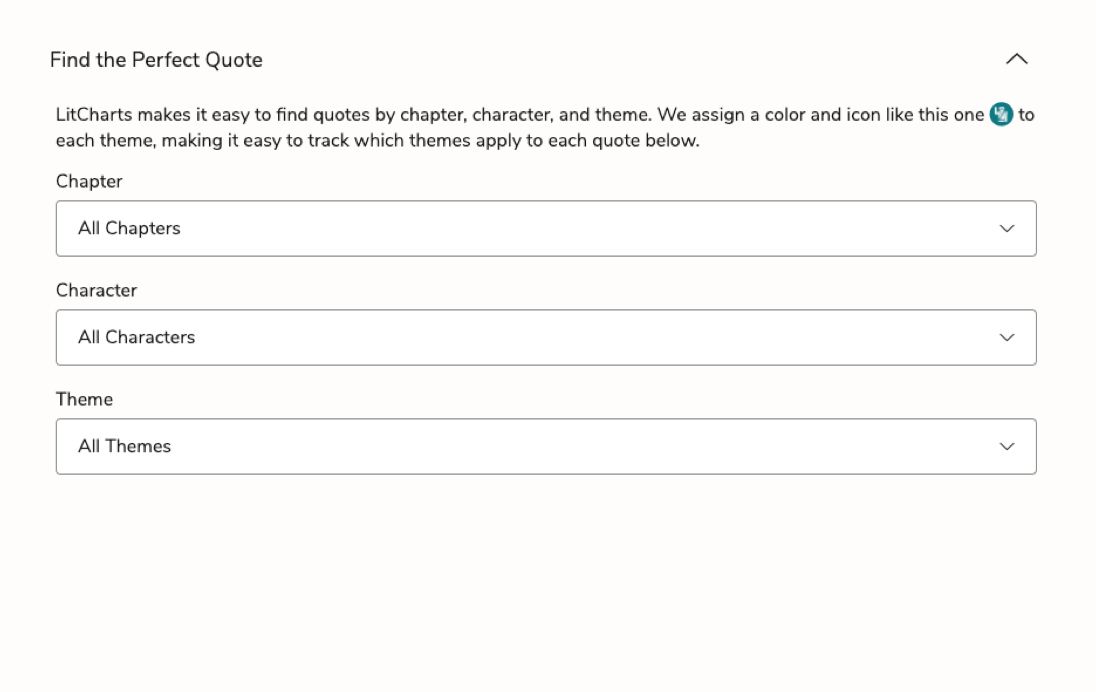
Find the perfect quote
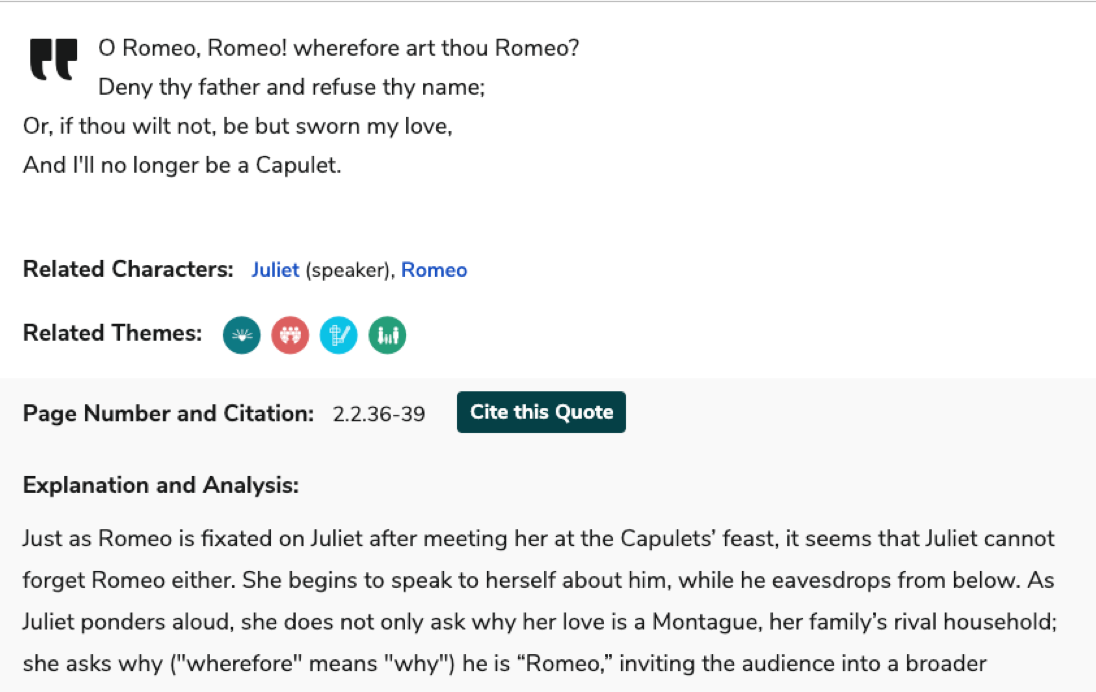
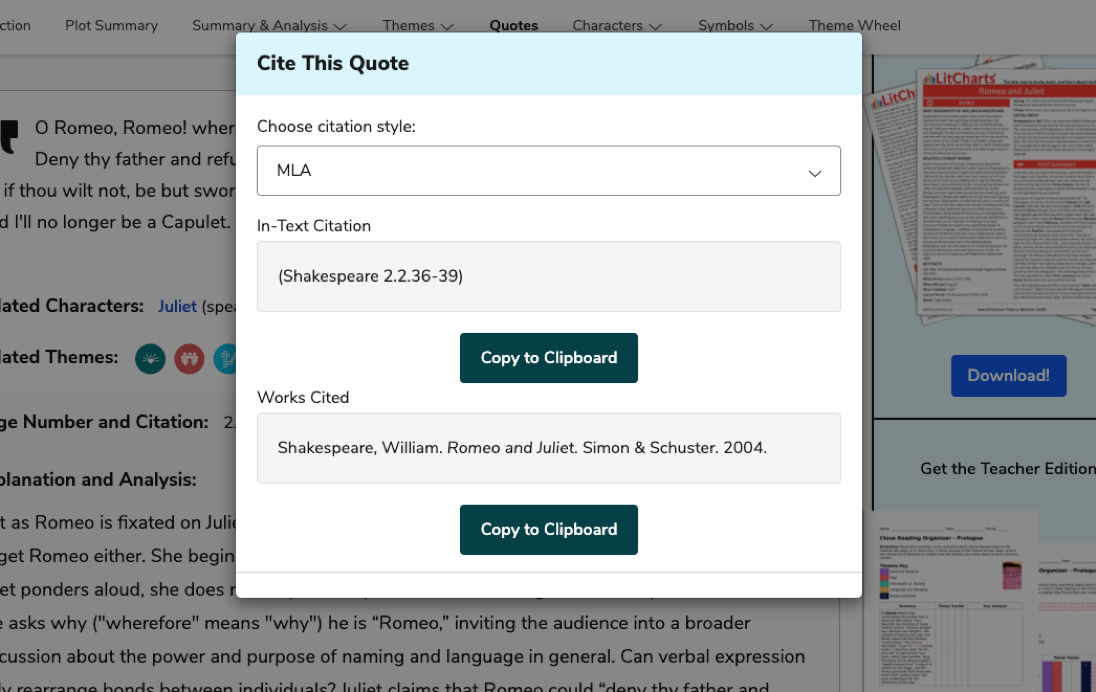
Then understand it perfectly. And get the citation, too. For all 35,000+ quotes we cover.

|
Have questions?
Contact us
Already a member? Sign in
|
As World War II continues and Vianne remains at her house in rural France, she begins to notice how the landscape becomes destroyed along with the society she once knew. Bombings have destroyed the infrastructure, and what was once a peaceful, idyllic home is no longer. Towards the end of The Nightingale, Hannah uses heightened imagery to establish the effect of war on every facet of society, even the natural landscape:
She paused at the blacked-out window. Beyond it lay fields destroyed by incendiary bombs; trees broken in half, many of them still smoldering, gates and chimneys broken. An apocalyptic landscape.
In the passage above, Hannah invites readers to imagine the physical qualities of the ruined Carriveau landscape. What Hannah earlier depicted in the novel as a lush, sunny, and serene setting is now torn apart and "apocalyptic" due to repeated bombings and military violence. The imagery in this passage appeals to the reader’s sense of sight and also perhaps their sympathy. Not only does war physically alter the Carriveau land, but the land's changed qualities symbolically represent the parallel changes in society. The fact that Vianne looks through a "blacked-out window" is evidence of the precautionary measures she must take to protect herself from enemy forces. In the beginning of the novel, readers learn that Vianne has an almost symbiotic relationship with her land. However, by the height of the war, neither the landscape nor Vianne have the ability to nourish and care for each other.


 Teacher








|
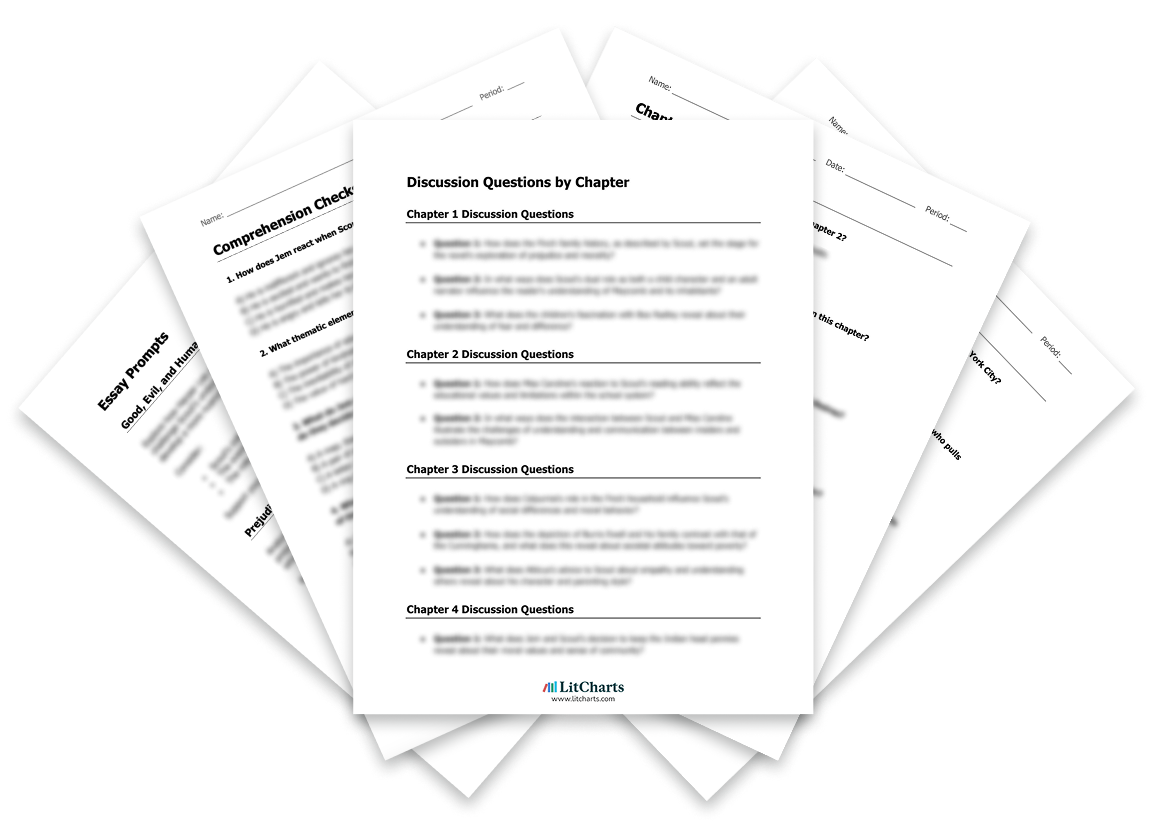
Close Reading Organizers |

|
Character Analysis Organizers |

|
Symbol Analysis Organizers |

|
Theme Analysis Organizers |

|
Quote Analysis Organizers |
Common Core-aligned