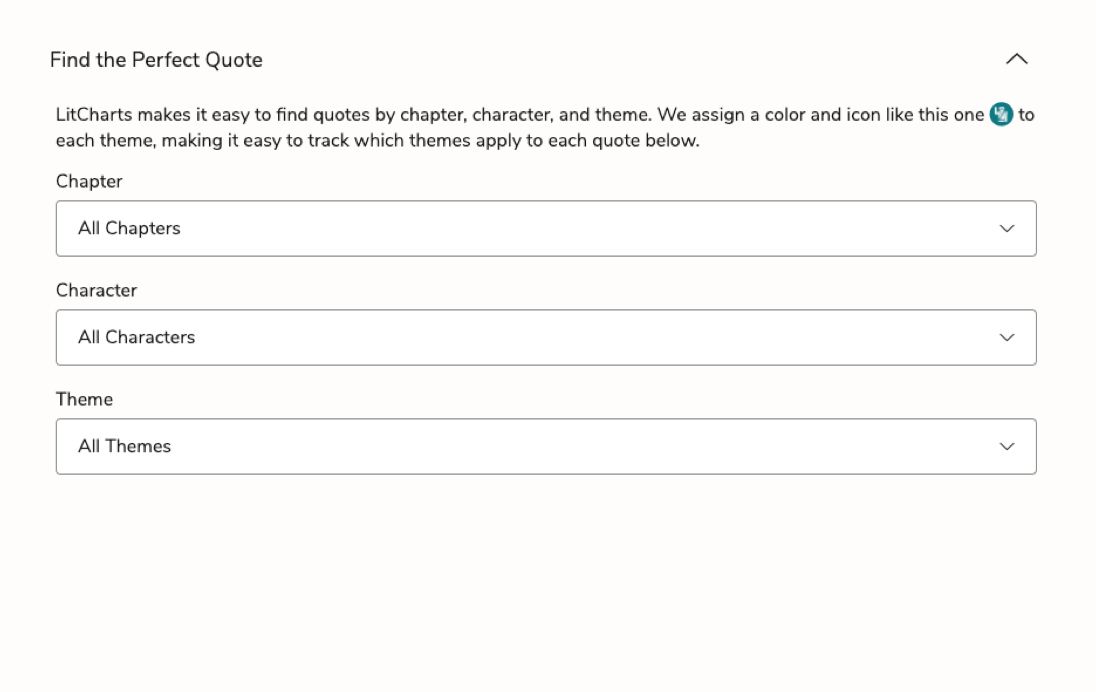
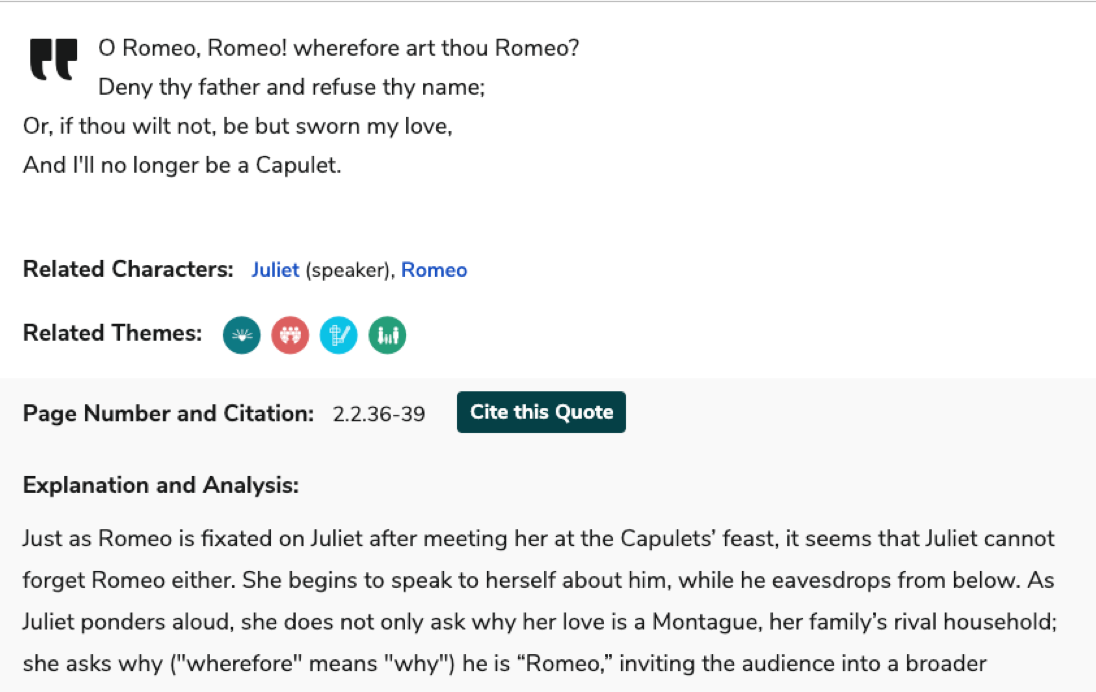
Find the perfect quote
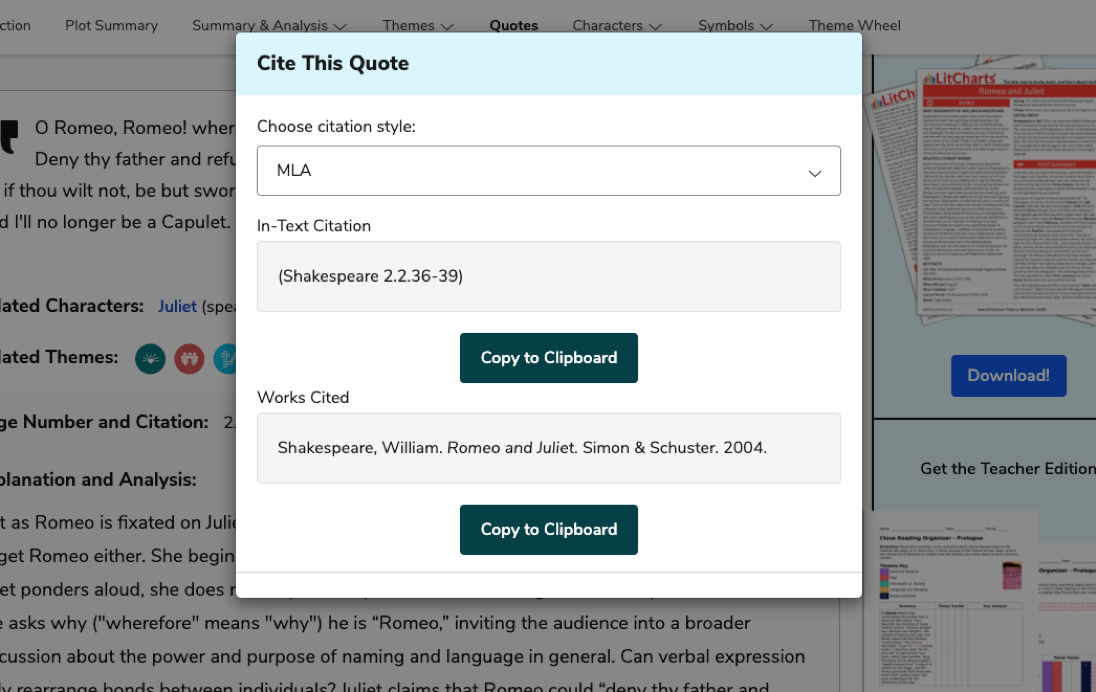
Then understand it perfectly. And get the citation, too. For all 35,000+ quotes we cover.

|
Have questions?
Contact us
Already a member? Sign in
|
Woolf uses indeterminate imagery, culminating in mysterious "barrows," to describe the narrator's search to understand the mark:
In certain lights that mark on the wall seems actually to project from the wall. Nor is it entirely circular. I cannot be sure, but it seems to cast a perceptible shadow, suggesting that if I ran my finger down that strip of wall it would, at a certain point, mount and descend a small tumulus, a smooth tumulus like those barrows on the South Downs which are, they say, either tombs or camps.
The narrator realizes that the mark may be three-dimensional, projecting outward from the wall. The word "tumulus" is typically used to define an ancient burial mound or grave; yet, in this image conjured up by the narrator, the purpose of the tumulus is indeterminate. The English people do not know how these barrows were used by the ancient peoples who created them; similarly, the narrator is unable to identify the mark on the wall or its original purpose. Woolf's use of these ambiguous barrows to represent the mark, which in turn represents the indeterminacy of life, is skillful. Imagery often has the greatest impact when figurative language mirrors literal or concrete arguments. In this instance, Woolf's philosophical argument about life is embedded in "The Mark on the Wall" on many levels, both literal, as in the indeterminate mark, and metaphorical, as in the unknowability of life's meaning.




 Teacher






|
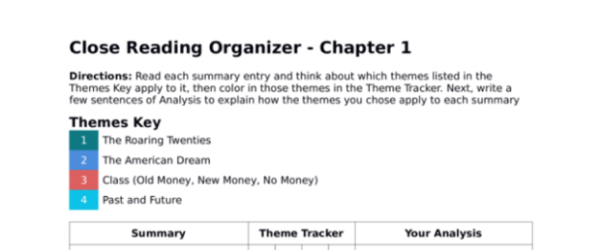
Close Reading Organizers |

|
Character Analysis Organizers |

|
Symbol Analysis Organizers |

|
Theme Analysis Organizers |

|
Quote Analysis Organizers |
Common Core-aligned