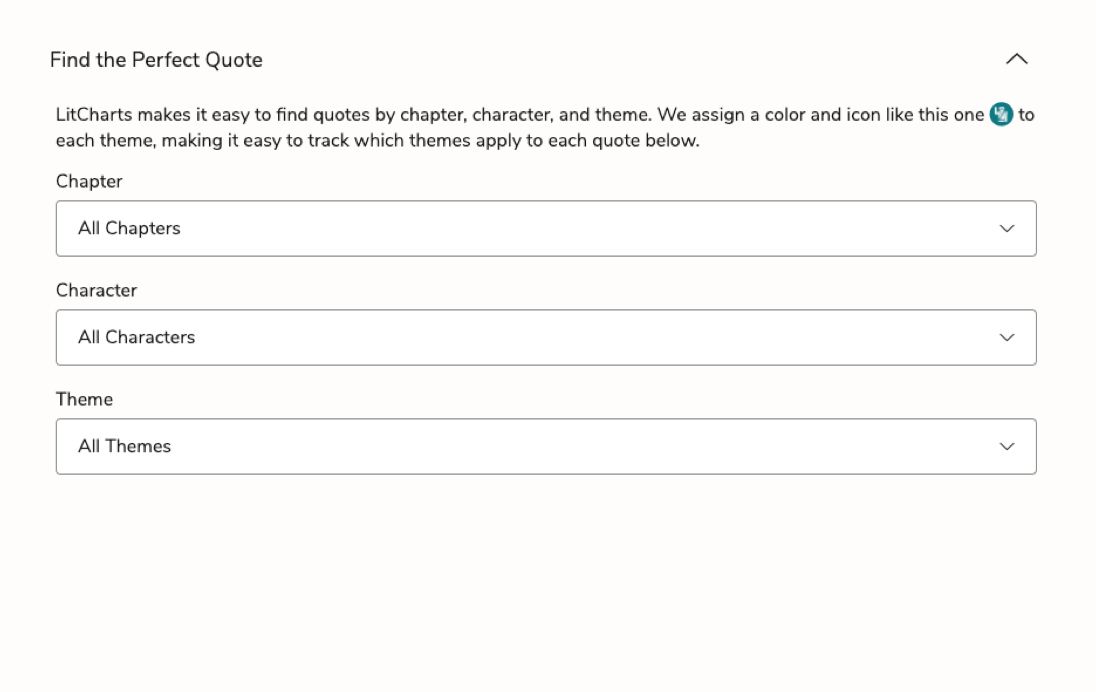
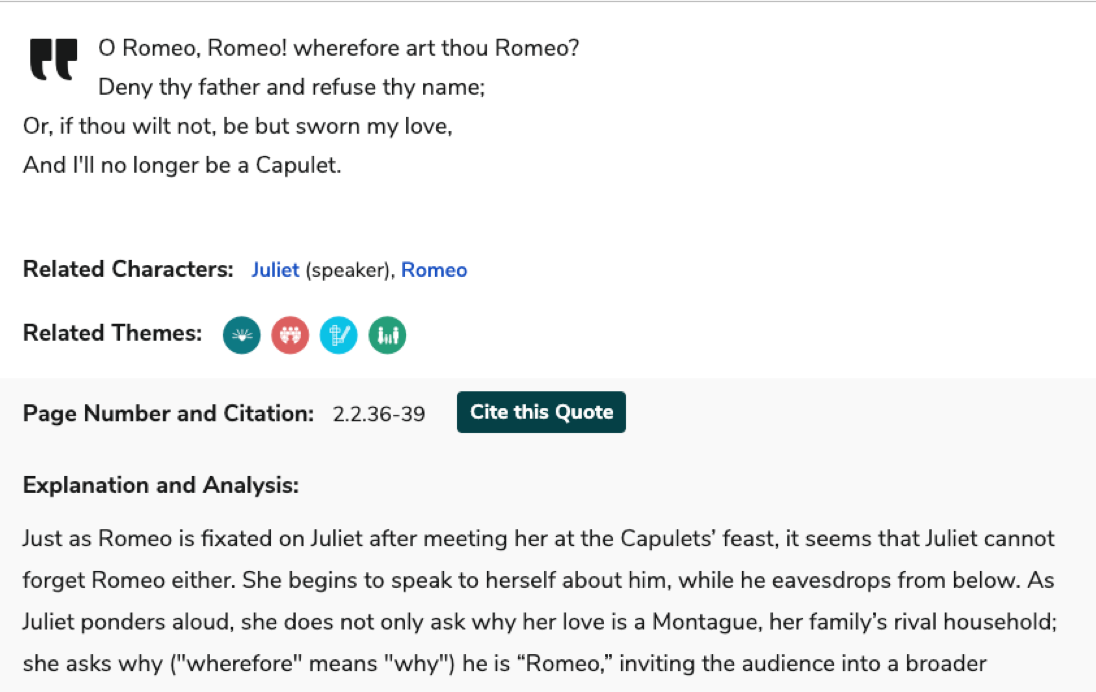
Find the perfect quote
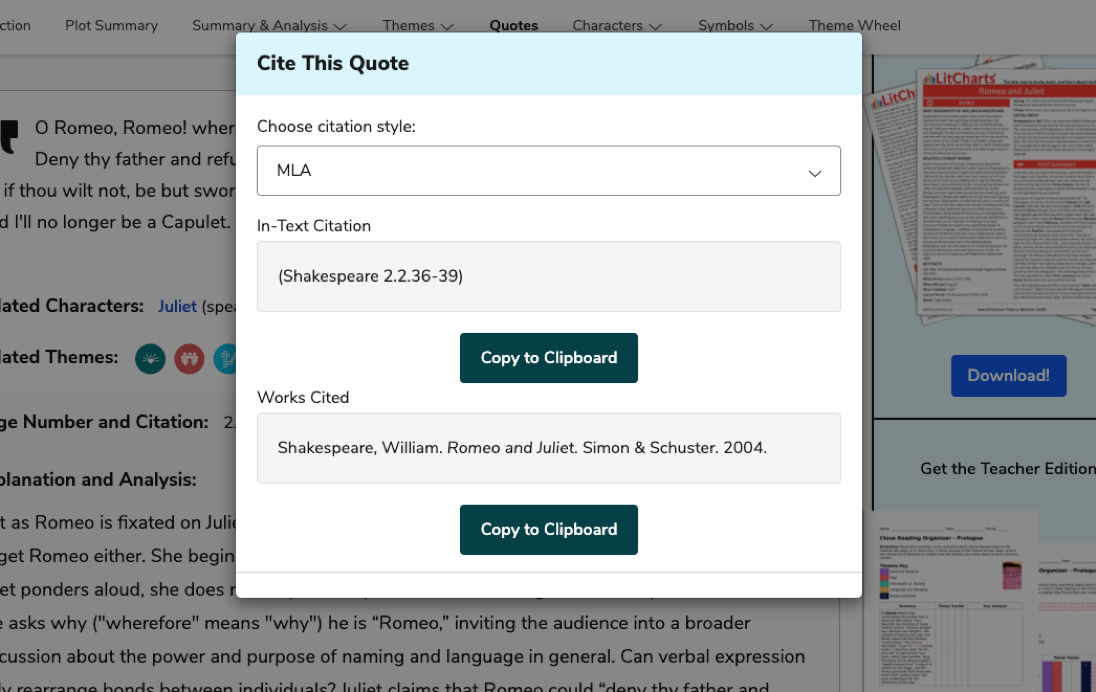
Then understand it perfectly. And get the citation, too. For all 35,000+ quotes we cover.

|
Have questions?
Contact us
Already a member? Sign in
|
A handful of times, Vladimir and Estragon nonchalantly discuss suicide as a potential way to escape their endless, tedious waiting. Their discussions of suicide are tinged with irony, which accentuates the already absurd mood.
The first time they contemplate suicide is early in the first act:
VLADIMIR: [...] What do we do now?
ESTRAGON: Wait.
VLADIMIR: Yes, but while waiting.
ESTRAGON: What about hanging ourselves?
The idea of committing suicide "while waiting" is ironic. Rather than making the time pass, death would make the act of waiting obsolete. This irony raises the possibility of symbolically reading Godot as death—and that the two men are standing around trying to make the time pass as they wait for death. Unless one believes in an afterlife, the wait for death seems to be the ultimate wait. By mingling the idea of waiting with the idea of death, Beckett seems interested in exploring whether existence merely comes down to waiting for existence to end. The men's straightforward discussions of suicide and death—rendered humorous through irony and absurdism—highlights the play's existential themes.
The men decide against hanging themselves this time around. They reach the decision not because they find a will to live, but—rather touchingly—because they can't be sure that they would both succeed in hanging themselves. This indicates that they find the idea of solitary existence far more frightening than the idea of death. They conclude this discussion about suicide on yet another ironic note.
VLADIMIR: Well? What do we do?
ESTRAGON: Don’t let’s do anything. It’s safer.
VLADIMIR: Let’s wait and see what he says.
In these lines, Estragon claims that "it's safer" to do nothing than to commit suicide. The understatement and irony in this claim reinforces the play's absurdism. One moment the two men consider the mechanics of hanging themselves from a tree, the next moment they bring up the issue of safety.
Vladimir's line is also ironic. The last time either of them asked "What do we do now?" they brought up the possibility of hanging themselves as something to do "while waiting." This time, Vladimir's response to the "What do we do now?" question is simply to "wait and see what [Godot] says." While they originally contemplated suicide as something to do while waiting, waiting has now become the something to do. As becomes a trend in the play, the men seem more interested in talking about what to do than actually doing anything at all. When they continue to offhandedly bring up the possibility of committing suicide over the course of the two acts, the audience increasingly understands that they will not act on this idea.


 Teacher






|
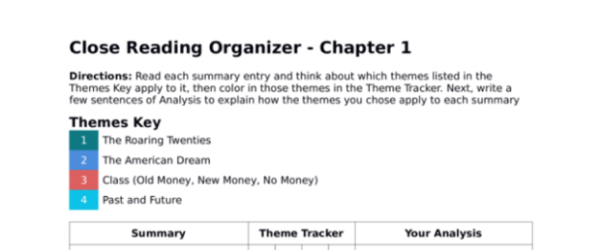
Close Reading Organizers |

|
Character Analysis Organizers |

|
Symbol Analysis Organizers |

|
Theme Analysis Organizers |

|
Quote Analysis Organizers |
Common Core-aligned