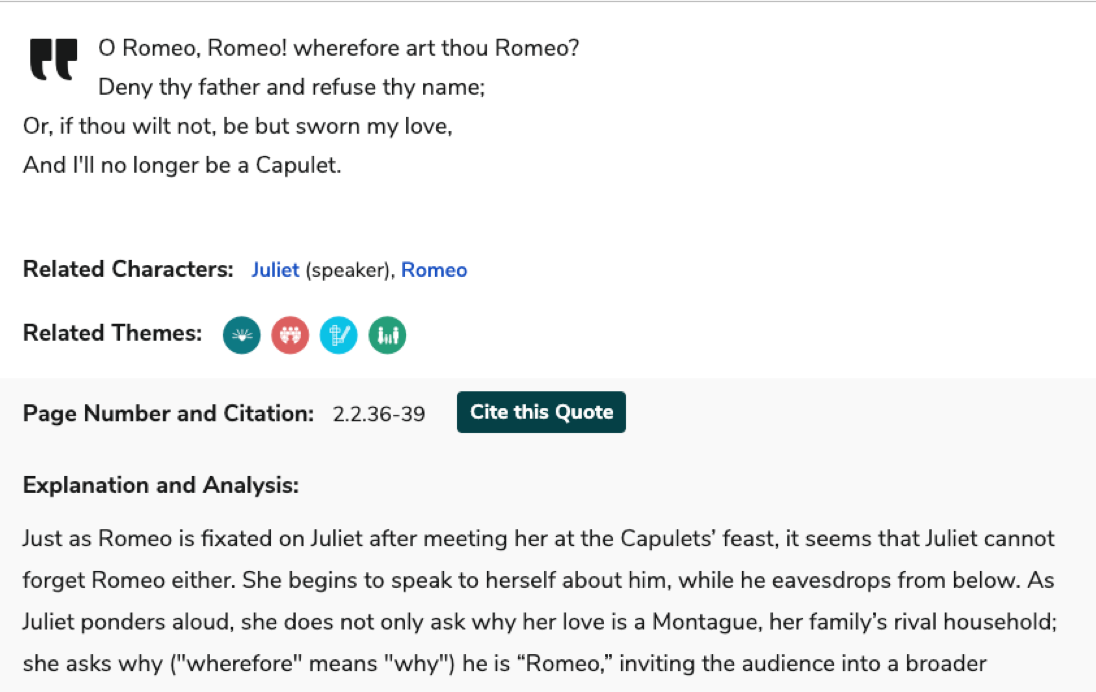
Find the perfect quote
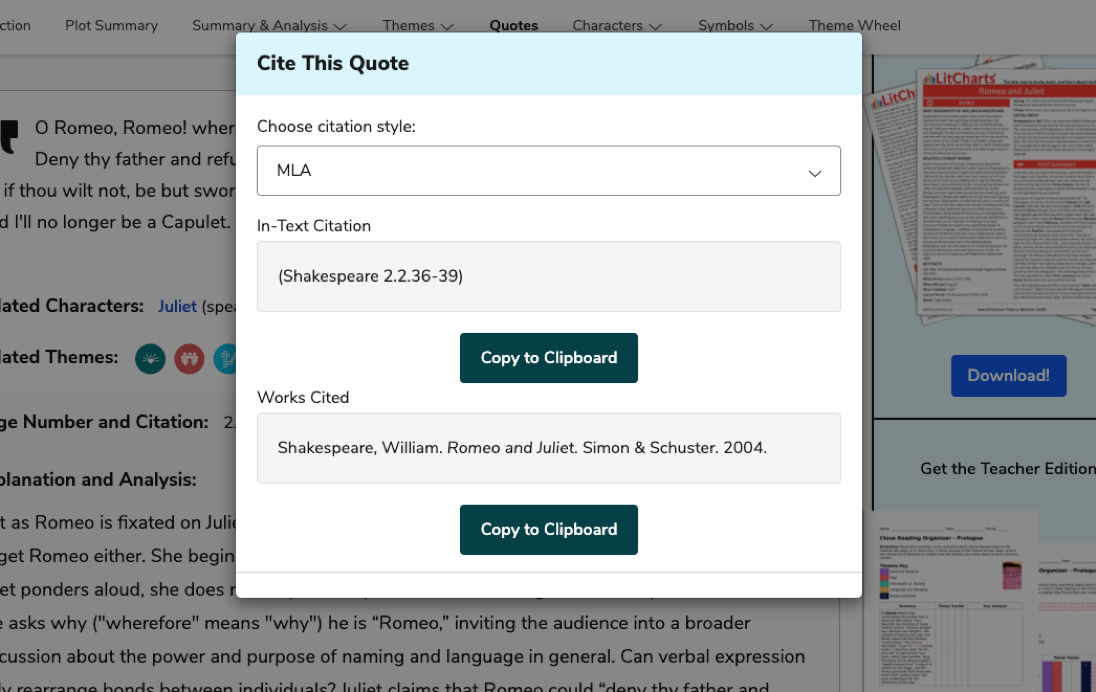
Then understand it perfectly. And get the citation, too. For all 35,000+ quotes we cover.

|
Have questions?
Contact us
Already a member? Sign in
|
Several times in the play, the stage directions contradict statements made by the characters in their dialogue. This often has to do with movement—a character will declare the intention to move or leave, but the stage directions will underline that they stay put. Creating a discrepancy between what the audience expects to see and what the audience actually sees, these stage directions give rise to irony. The playful dryness of the stage directions makes it feel as though Beckett himself is delivering them, as something of a jab at the inert, helpless characters.
Again and again, the restless but forgetful Estragon tells Vladimir "Let's go." Each time, Vladimir responds "We can't." Estragon, in turn, asks "Why not?" Vladimir reminds him "We're waiting for Godot." This exchange usually makes Estragon emit a despairing "Ah!" The audience finds this repeated routine both endearing and daunting, and as it increasingly seems as though Godot will never come—perhaps even that he doesn't exist—their waiting assumes a layer of irony. Are they passing the time as they wait for Godot, or is waiting for Godot just a way to make the endless time pass?
Beckett imbues many of his stage directions with this same irony, as they blatantly describe the silliness and immobility of the men's behavior. Even if Vladimir repeatedly reminds Estragon that they can't go because they're waiting for Godot, Estragon states on three separate occasions over the course of the play that he is going or that they should go. The first time occurs early in the first act.
ESTRAGON: I’m going.
He does not move.
The first act ends with a similar sequence, in which the men agree to go, but the stage directions underline that they stay put.
ESTRAGON: Well, shall we go?
VLADIMIR: Yes, let’s go.
They do not move.
Aside from a reversal of who says what, this is also how the play as a whole ends.
VLADIMIR: Well? Shall we go?
ESTRAGON: Yes, let’s go.
They do not move.
Curtain.
The decisive tone of Estragon's declarations of departure feels bold when measured against the stagnancy of their movements and ambitions. Each time, however, Estragon's bold decisiveness is promptly undermined by the stage directions, which repeatedly reveal his inability to act on his intention. The simple, dry diction of the stage directions almost makes them seem aimed at teasing the two men for their inertia.





 Teacher











|
Close Reading Organizers |

|
Character Analysis Organizers |

|
Symbol Analysis Organizers |

|
Theme Analysis Organizers |

|
Quote Analysis Organizers |
Common Core-aligned