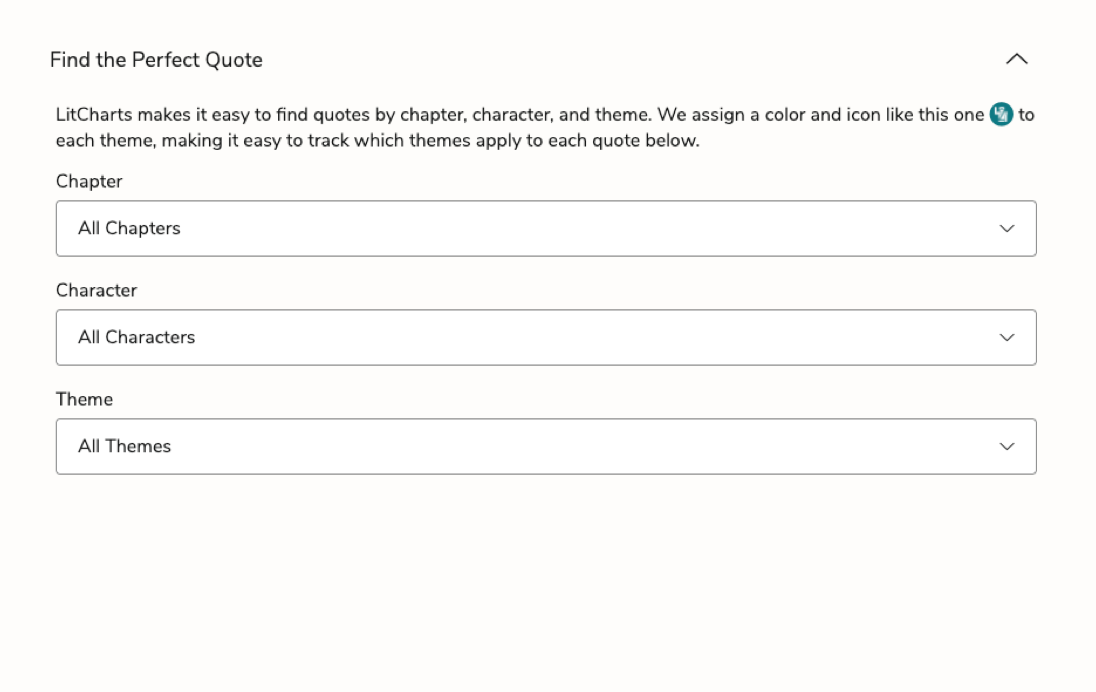
Find the perfect quote
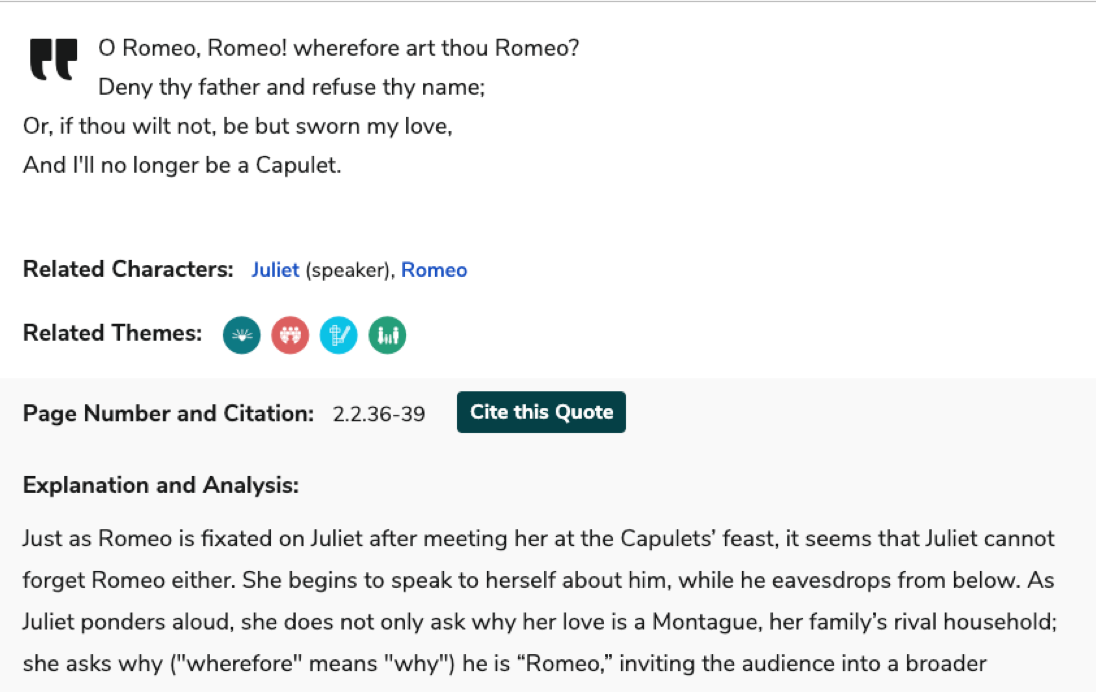
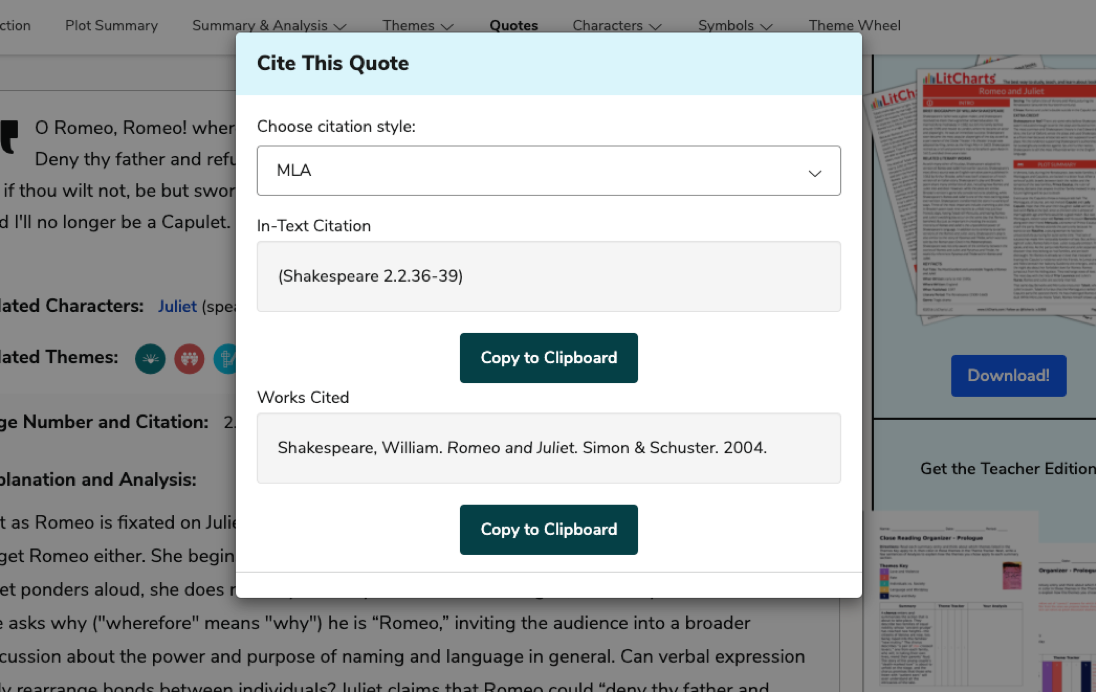
Then understand it perfectly. And get the citation, too. For all 35,000+ quotes we cover.

|
Have questions?
Contact us
Already a member? Sign in
|
In Part 3: The Way Home, Hans Hubermann has an idea and that leads him to buy a copy of Mein Kampf. The chapter ends with dramatic irony and foreshadowing:
[...]Hans Hubermann’s idea had not only sprung from Liesel, but from his son. Did he already fear he’d never see him again? On the other hand, he was also enjoying the ecstasy of an idea, not daring just yet to envision its complications, dangers, and vicious absurdities. For now, the idea was enough. It was indestructible. Transforming it into reality, well, that was something else altogether. For now, though, let’s let him enjoy it.
We’ll give him seven months.
Then we come for him.
And oh, how we come.
Death lets the reader know that something important will come of Hans's idea, but he does not yet reveal what. He does not even reveal yet what Hans's plan is. The phrases, "We'll give him seven months" and "Then we come for him" are ominous, especially when spoken by Death himself. It almost sounds as though Hans's idea is going to get him killed just a few months from now. The dramatic irony creates suspense, urging the reader to keep turning pages to find out what will happen.
Death, though, is having a bit of fun with the reader. The foreshadowing in this passage plays on Death's role not only as Death, but also as the narrator. He "comes for" characters in both capacities, either carrying their souls away or simply telling their stories. By continuing on with Death through the pages of the story, the reader eventually "comes for" Hans right alongside Death. That is not to say that what happens to Hans as a result of his idea is not major. His idea is to send a copy of Mein Kampf to Max to hide behind should he ever need to take the train from one safe place to the next. The idea will lead in seven months to Max's arrival at 33 Himmel Street. Along with him will come many "complications, dangers, and vicious absurdities:" Hans will become further alienated from his adult children, he will see Liesel changed irrevocably by knowing Max, and he will embroil himself further than he ever expected to in the underground resistance to Hitler. For now, though, as Death points out, Hans knows barely more than the reader about how his plan will turn out. He is able to "enjoy" the triumph of his idea precisely because he does not know how everything will play out.


 Teacher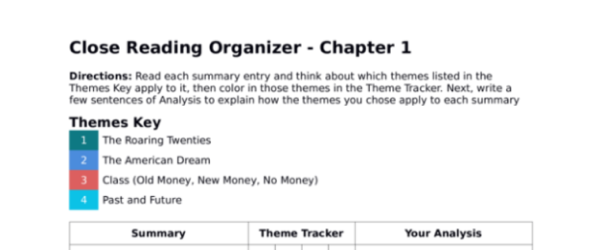










|
Close Reading Organizers |

|
Character Analysis Organizers |

|
Symbol Analysis Organizers |

|
Theme Analysis Organizers |

|
Quote Analysis Organizers |
Common Core-aligned