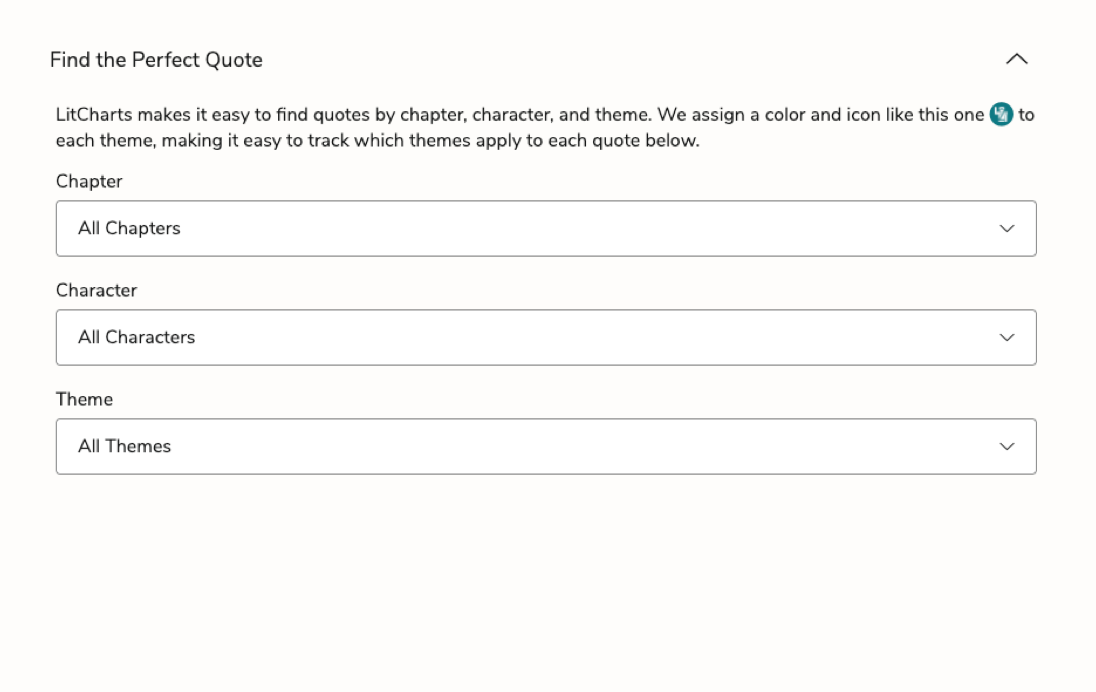
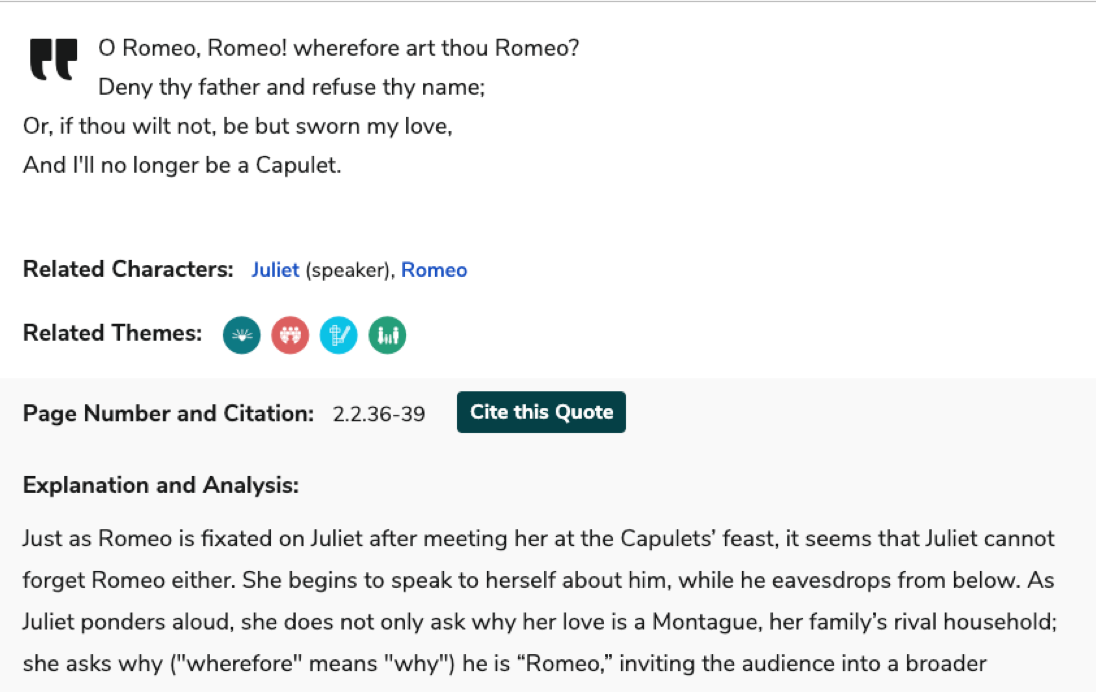
Find the perfect quote
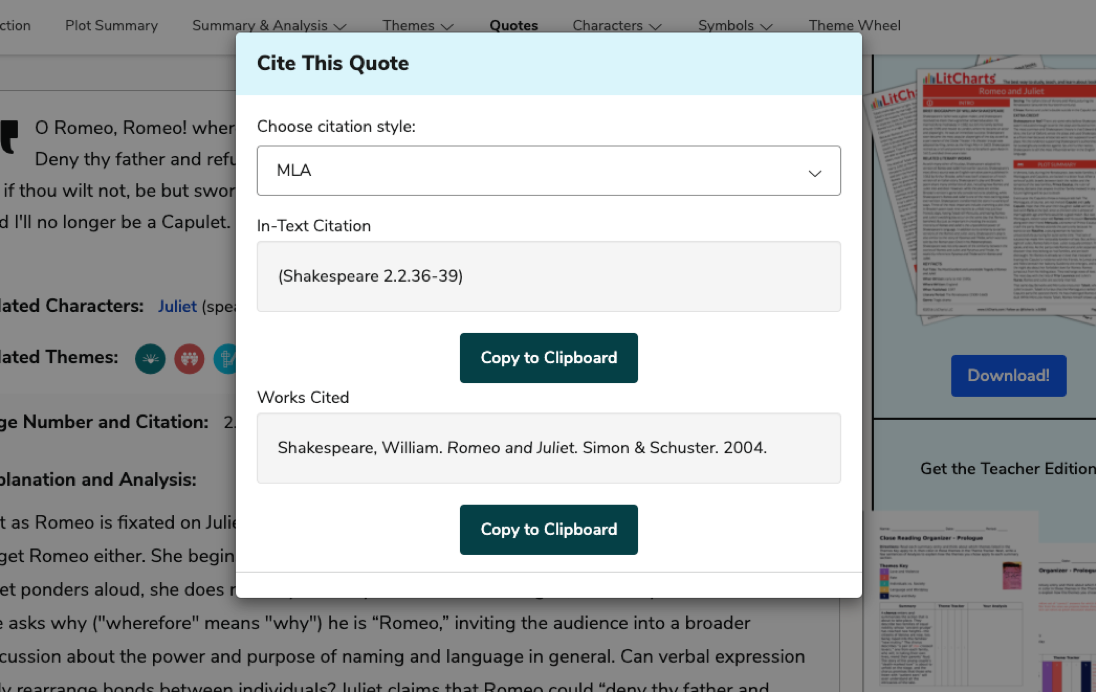
Then understand it perfectly. And get the citation, too. For all 35,000+ quotes we cover.

|
Have questions?
Contact us
Already a member? Sign in
|
There is situational irony in the fact that the government wants to separate Hester and Pearl from one another years after they have been exiled. In Chapter 7, the narrator criticizes the governor for getting involved in the scheme to take Pearl away from Hester, which is supposedly for both of their moral betterment:
Among those who promoted the design, Governor Bellingham was said to be one of the most busy. It may appear singular, and indeed, not a little ludicrous, that an affair of this kind, which, in later days, would have been referred to no higher jurisdiction than that of the selectmen of the town, should then have been a question publicly discussed, and on which statesmen of eminence took sides.
The irony at play here is that, after years of mistreatment, the townspeople have suddenly decided that they're concerned about Hester and Pearl's well-being. Hester and Pearl were both exiled from their community, and they haven't bothered anyone for years. In fact, they've been quite self-sufficient and have been living on the outskirts of town. The extent of their involvement in town affairs is that Hester sews clothing for people, and the pair is a perpetual target of gossip and bullying. It's absurd, then, that the very same locals who have never tried to help Hester and Pearl now want to separate them "for their own good," as if they actually care about them. It is obvious to the reader by this point that Hester and Pearl have a strong bond and that hardly anyone else has either of their best interests in mind. It seems more likely that the people who want to separate them simply want more material for the gossip mill and more reasons to feel morally superior.



 Teacher














|
Close Reading Organizers |

|
Character Analysis Organizers |

|
Symbol Analysis Organizers |

|
Theme Analysis Organizers |

|
Quote Analysis Organizers |
Common Core-aligned