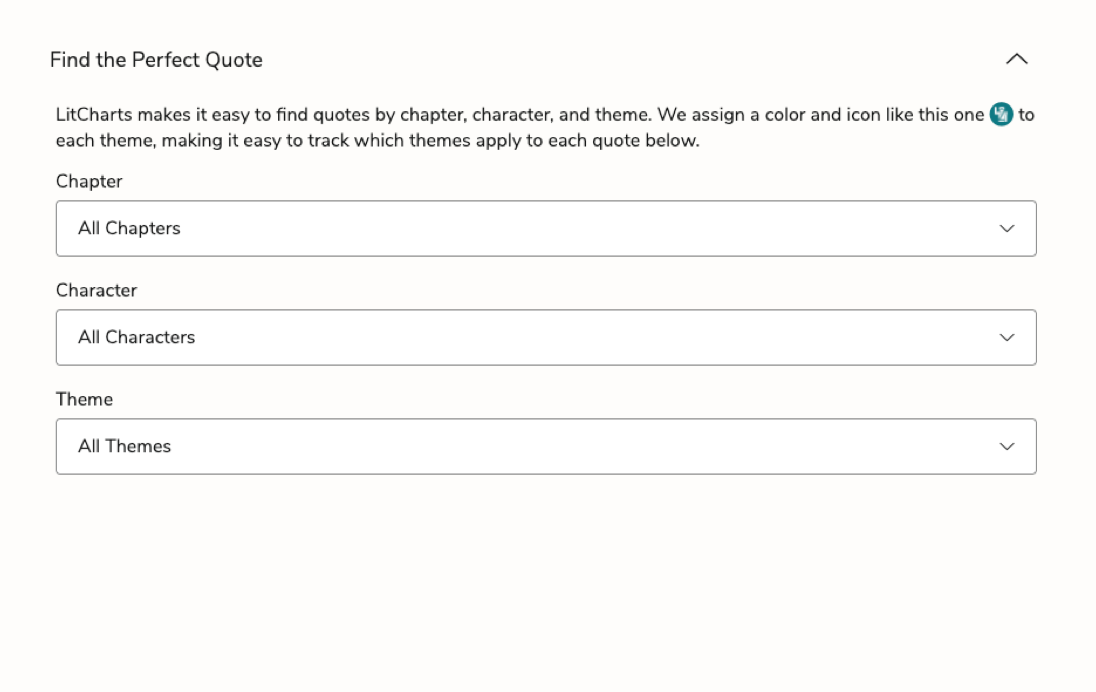
Find the perfect quote
Then understand it perfectly. And get the citation, too. For all 35,000+ quotes we cover.

|
Have questions?
Contact us
Already a member? Sign in
|
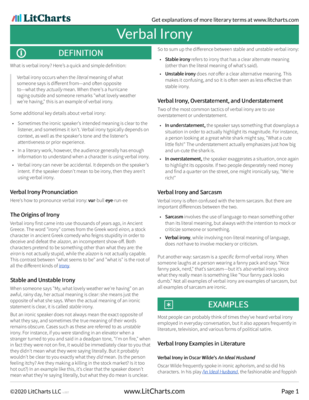
In a playful example of dramatic irony, Huck goes to the circus for the first time and finds himself enraptured by the performance, believing the ringmaster to have been successfully fooled by a performer who pretended to be a drunk audience member:
Then the ringmaster he see how he had been fooled, and he was the sickest ringmaster you ever see, I reckon. Why, it was one of his own men! He had got up that joke all out of his own head, and never let on to nobody. Well, I felt sheepish enough to be took in so, but I wouldn’t ’a’ been in that ringmaster’s place, not for a thousand dollars.
Readers know, but Huck does not, that the ringmaster is only pretending to be fooled, creating a humorous moment of dramatic irony. This moment leaves readers with a sense of Huck’s youthful naivety, setting him up to grow wiser and more mature later in the novel, such as when he discerns that the duke and the king (two conmen he and Jim meet along their journey) are duping people.




 Teacher














|
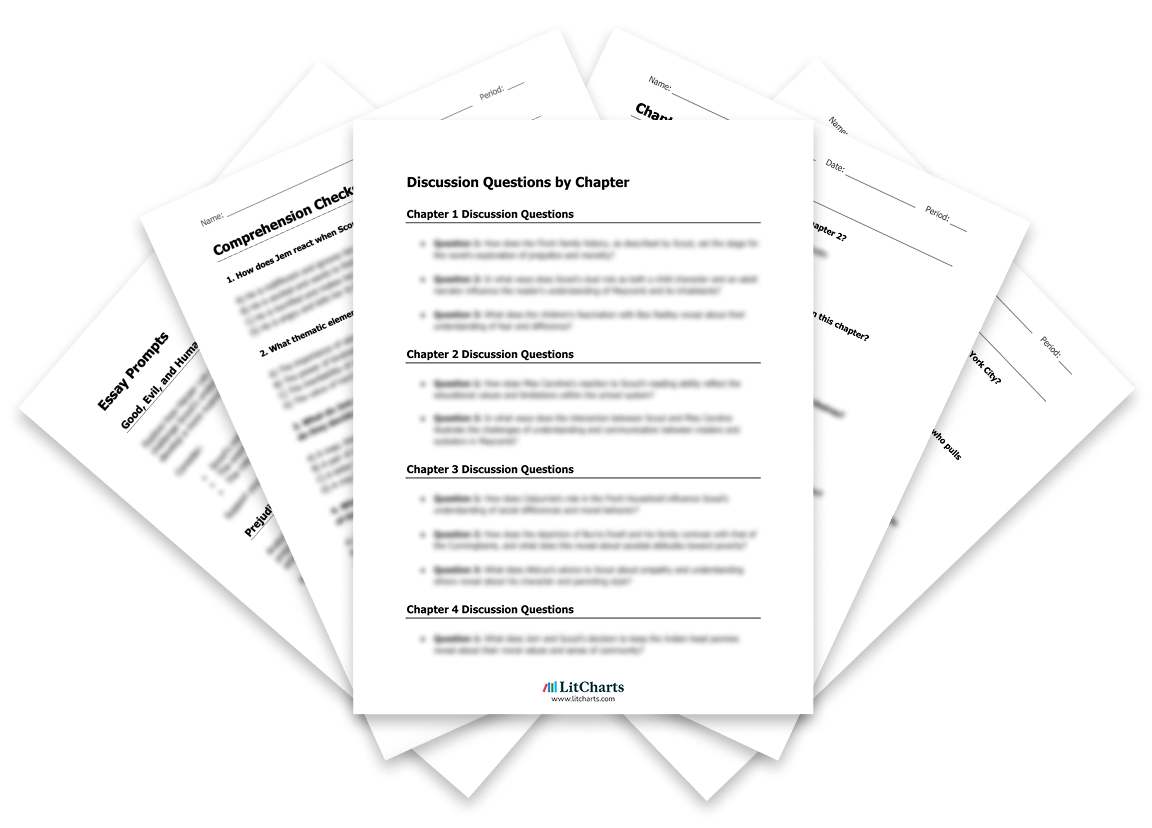
Close Reading Organizers |

|
Character Analysis Organizers |

|
Symbol Analysis Organizers |

|
Theme Analysis Organizers |

|
Quote Analysis Organizers |
Common Core-aligned