Find the perfect quote
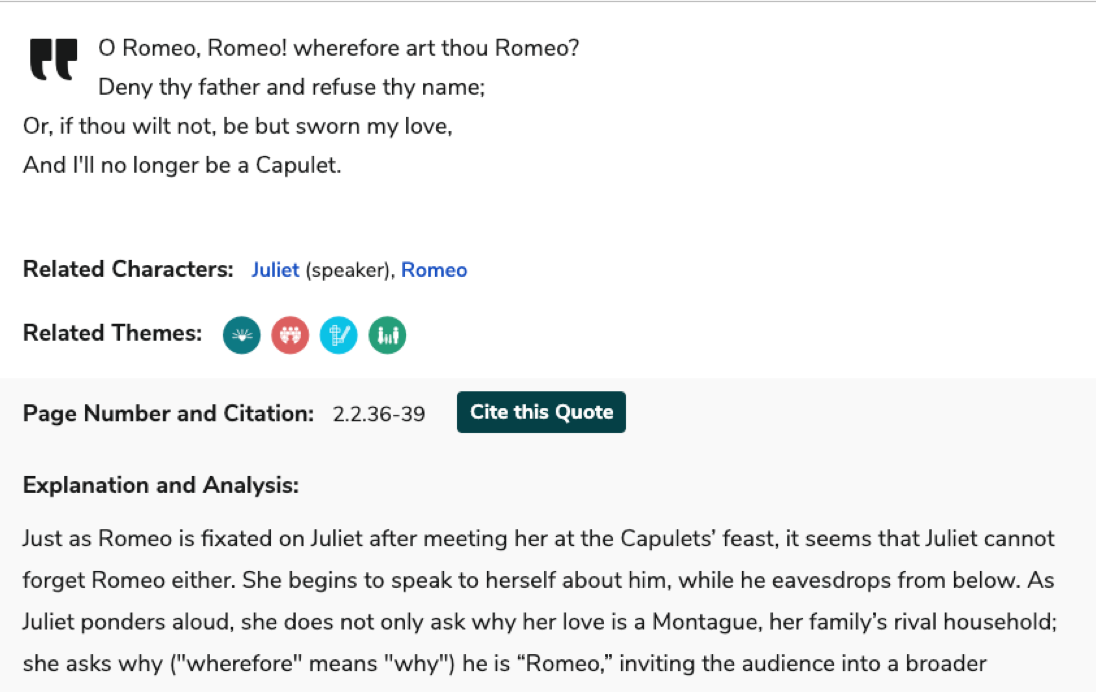
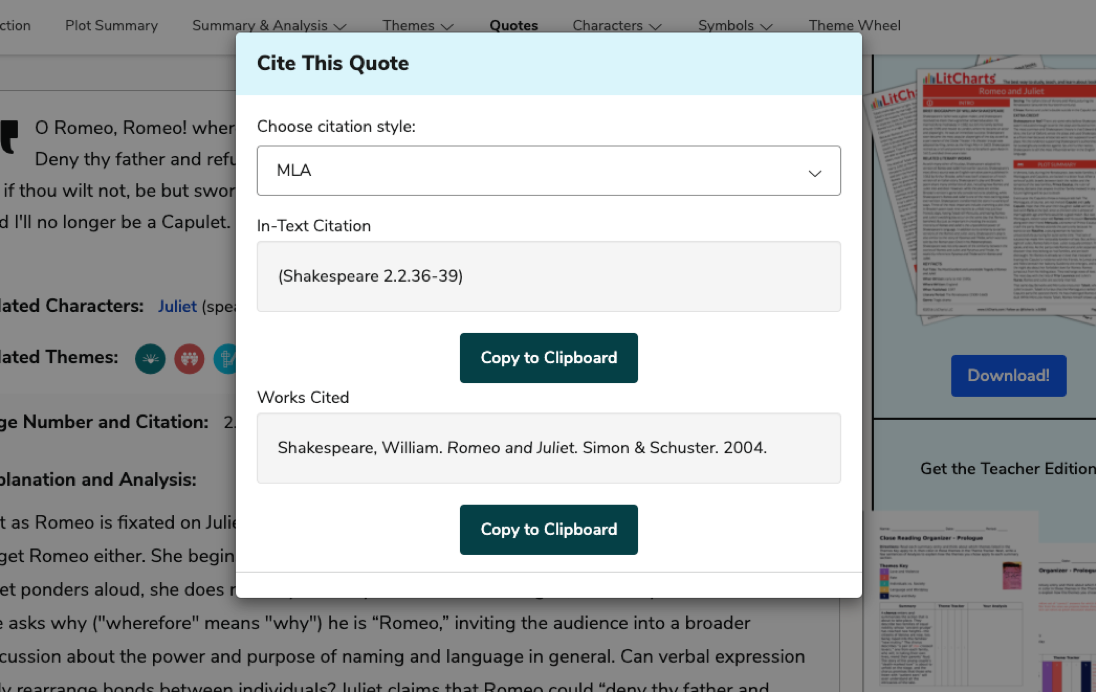
Then understand it perfectly. And get the citation, too. For all 35,000+ quotes we cover.

|
Have questions?
Contact us
Already a member? Sign in
|
The end of the story is an example of dramatic irony because Hulga and readers know that the Bible Salesman is a manipulative con man who has stolen Hulga’s artificial leg, but Mrs. Hopewell and Mrs. Freeman do not. The irony comes across in the final paragraphs of the story, as the two women watch the Bible Salesman walk away from the barn where he has (unknowingly to them) abandoned Hulga:
“Why, that looks like that nice dull young man that tried to sell me a Bible yesterday,” Mrs. Hopewell said, squinting. “He must have been selling them to the Negroes back there. He was so simple,” she said, “but I guess the world would be better off if we were all that simple.”
Mrs. Freeman’s gaze drove forward and just touched him before he disappeared under the hill. […] “Some can’t be that simple,” she said. “I know I never could.”
The dramatic irony here is centered on the fact that Mrs. Hopewell and Mrs. Freeman refer to the Bible Salesman as “nice,” “dull,” and “simple,” after he has just proved to readers that he is anything but. There is additional irony in Mrs. Freeman’s statement that closes the story—that she could never be as simple as the Salesman—when this moment proves that she is simple, in the sense that she (like Mrs. Hopewell and Hulga) has naively misjudged the man. This is one of the many ways in which O’Connor points out the hypocrisy of these characters, and more generally of people who are condescending toward those of lower socioeconomic classes.





 Teacher
















|
Close Reading Organizers |

|
Character Analysis Organizers |

|
Symbol Analysis Organizers |

|
Theme Analysis Organizers |

|
Quote Analysis Organizers |
Common Core-aligned