Find the perfect quote
Then understand it perfectly. And get the citation, too. For all 35,000+ quotes we cover.

|
Have questions?
Contact us
Already a member? Sign in
|
Willy’s wife, Linda, creates pathos (appeals to the audience's emotions) through her unwavering devotion to her husband, evoking sympathy for Willy and, in the process, herself. When Biff yells at his mother to “stop making excuses” for Willy’s behavior in Act 1, she rallies to her husband’s defense:
I don’t say he’s a great man. Willy Loman never made a lot of money. His name was never in the paper. He’s not the finest character that’s ever lived. But he’s a human being, and a terrible thing is happening to him.
The emotional effect of Linda’s spousal devotion is twofold: her portrait of Willy solicits the audience's compassion by revealing his deeply human ordinariness. To the play’s self-aggrandizing showman, she presents an overlooked dimension of earnestness. The sincerity of Willy’s striving only grows more tragic as she narrates his struggles. The subsequent descriptions of her husband—the “exhausted” salesman traveling hundreds of miles on his own expense, in spite of multiple suicide attempts—introduces a tenderness that the reader would not have otherwise felt.
But the pathos applies itself equally to Linda. Her unswerving faith in her husband makes herself no less of a pathetic figure. Deferent and in denial about her husband’s abilities, Linda is a case study of female subservience. Her devotion to Willy is also an example of dramatic irony, because the play reveals to the audience Willy’s extramarital affairs in earlier scenes, soliciting pity on Linda’s behalf. By furnishing this uncomfortable knowledge, Death of a Salesman forces the audience to share in Biff’s deeply conflicted emotions. Linda adores her “dearest man” with heartbreaking levels of faith, and so much that she gets duped by her own trust in his abilities.


 Teacher









|
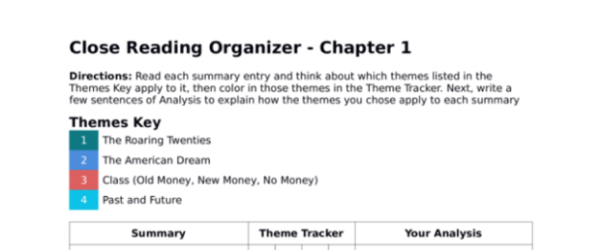
Close Reading Organizers |

|
Character Analysis Organizers |

|
Symbol Analysis Organizers |

|
Theme Analysis Organizers |

|
Quote Analysis Organizers |
Common Core-aligned