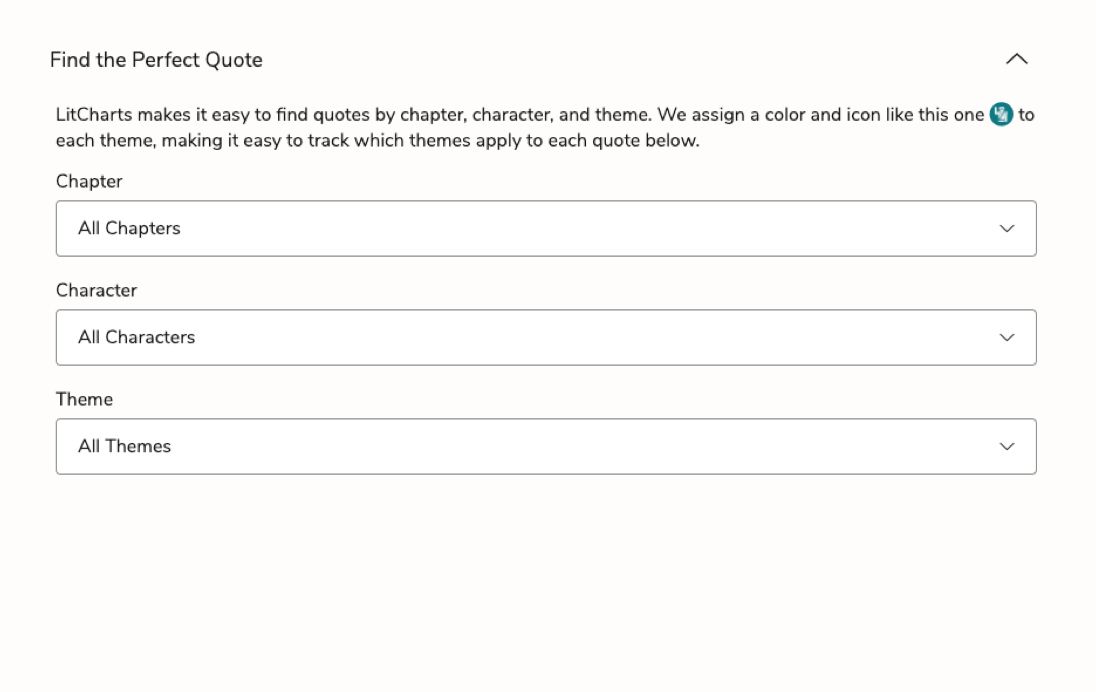
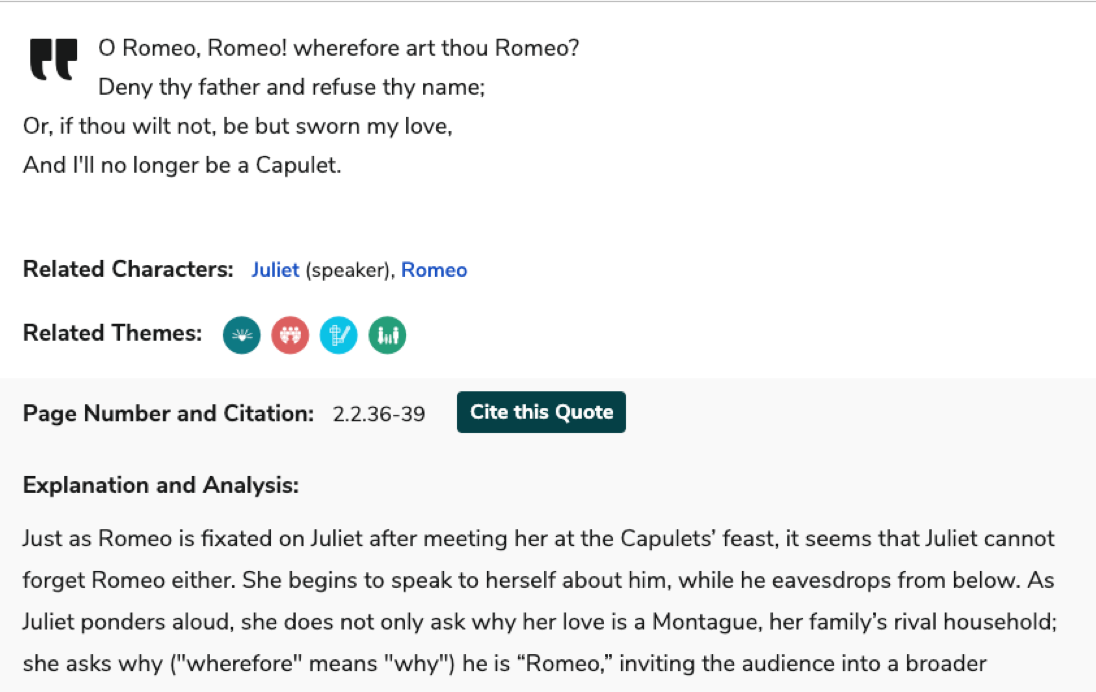
Find the perfect quote
Then understand it perfectly. And get the citation, too. For all 35,000+ quotes we cover.

|
Have questions?
Contact us
Already a member? Sign in
|
In the following excerpt from Chapter 5, Angelou utilizes metaphor to describe the poor "White trash" children who sometimes come into Momma's general store:
Bailey and I would stand, solemn, quiet, in the displaced air. But if one of the playful apparitions got close to us, I pinched it. Partly out of angry frustration and partly because I didn't believe in its flesh reality.
Angelou likens these children to "playful apparitions"—ghosts, white as sheets, in whose existence she cannot believe. This is a symptom of the system of "complete segregation" in which Angelou grew up. She rarely sees White people, and when she does, they are intruders into her community at best and a source of active danger at worst. When Angelou does see White people, they appear to her child's mind as unreal or inhuman, because her social and physical separation from them has been so complete.
Despite the fact that young White people pose a significantly smaller threat to Angelou and her family than White adults, Angelou remains on guard. The poor "White trash" children anger her, yes, but they also scare her. Even as young people with seemingly little agency, these White children have the power of institutional privilege behind them. They could very easily speak ill of Angelou and her family to their own White parents, who could, in turn, call in the KKK. Angelou compares the poor "White trash" children to ghosts because she cannot comprehend their reality; simultaneously, she compares them to ghosts because they carry with them the implicit threat of danger.


 Teacher









|
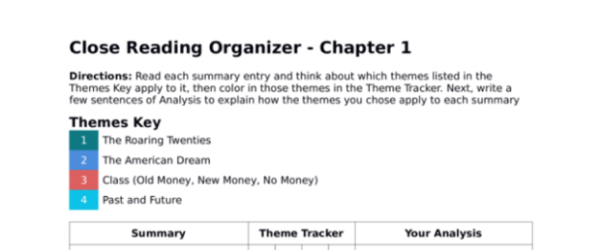
Close Reading Organizers |

|
Character Analysis Organizers |

|
Symbol Analysis Organizers |

|
Theme Analysis Organizers |

|
Quote Analysis Organizers |
Common Core-aligned