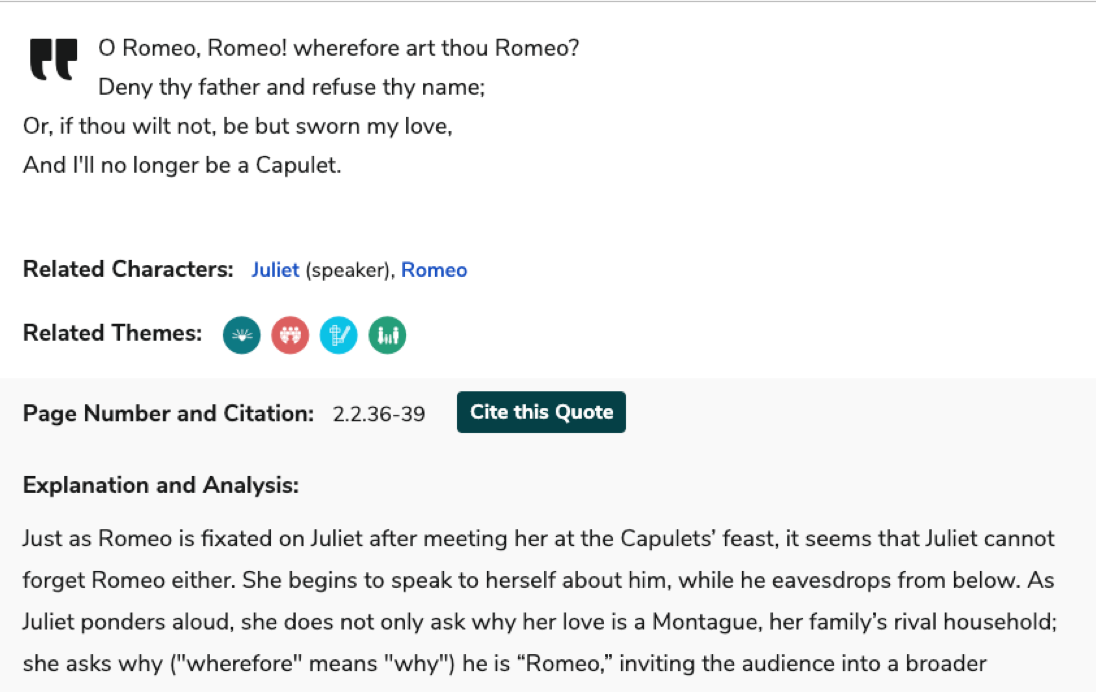
Find the perfect quote
Then understand it perfectly. And get the citation, too. For all 35,000+ quotes we cover.

|
Have questions?
Contact us
Already a member? Sign in
|
After Sohrab attempts suicide, Hosseini uses two metaphors to explain how Amir experiences the boy’s emotional collapse. The first compares quiet to peace, and the second compares silence to death:
IT WOULD BE ERRONEOUS to say Sohrab was quiet. Quiet is peace. Tranquillity. Quiet is turning down the VOLUME knob on life. Silence is pushing the OFF button. Shutting it down. All of it.
The metaphor Amir uses in this passage—when he says “[q]uiet is peace”—shows that he believes that “quiet” is inherently a good, calm state. In his mind, a person who is quiet remains connected to the world, albeit at a lower intensity. Here, Amir explains that turning down the "volume" on life still allows the life to exist, just less forcefully. The “peace” of quiet does not necessarily mean loss.
However, the metaphor comparing silence to an “off button” creates a much harsher image for the reader. Things that are “quiet” are peaceful but present. Silence, by contrast, indicates emptiness and absence. When Sohrab becomes silent, he does not simply lower his energy. He shuts off completely. It’s as though after he tries to kill himself the part of him that can respond to the world no longer exists. Amir worries that Sohrab is so traumatized that he wants to to shut “all of it” off forever. By contrasting quiet and silence in this way, Hosseini shows how serious Sohrab’s condition is. The silence is not restful or healing. It’s an absence that Amir will have to drag Sohrab back from.





 Teacher
















|
Close Reading Organizers |

|
Character Analysis Organizers |

|
Symbol Analysis Organizers |

|
Theme Analysis Organizers |

|
Quote Analysis Organizers |
Common Core-aligned