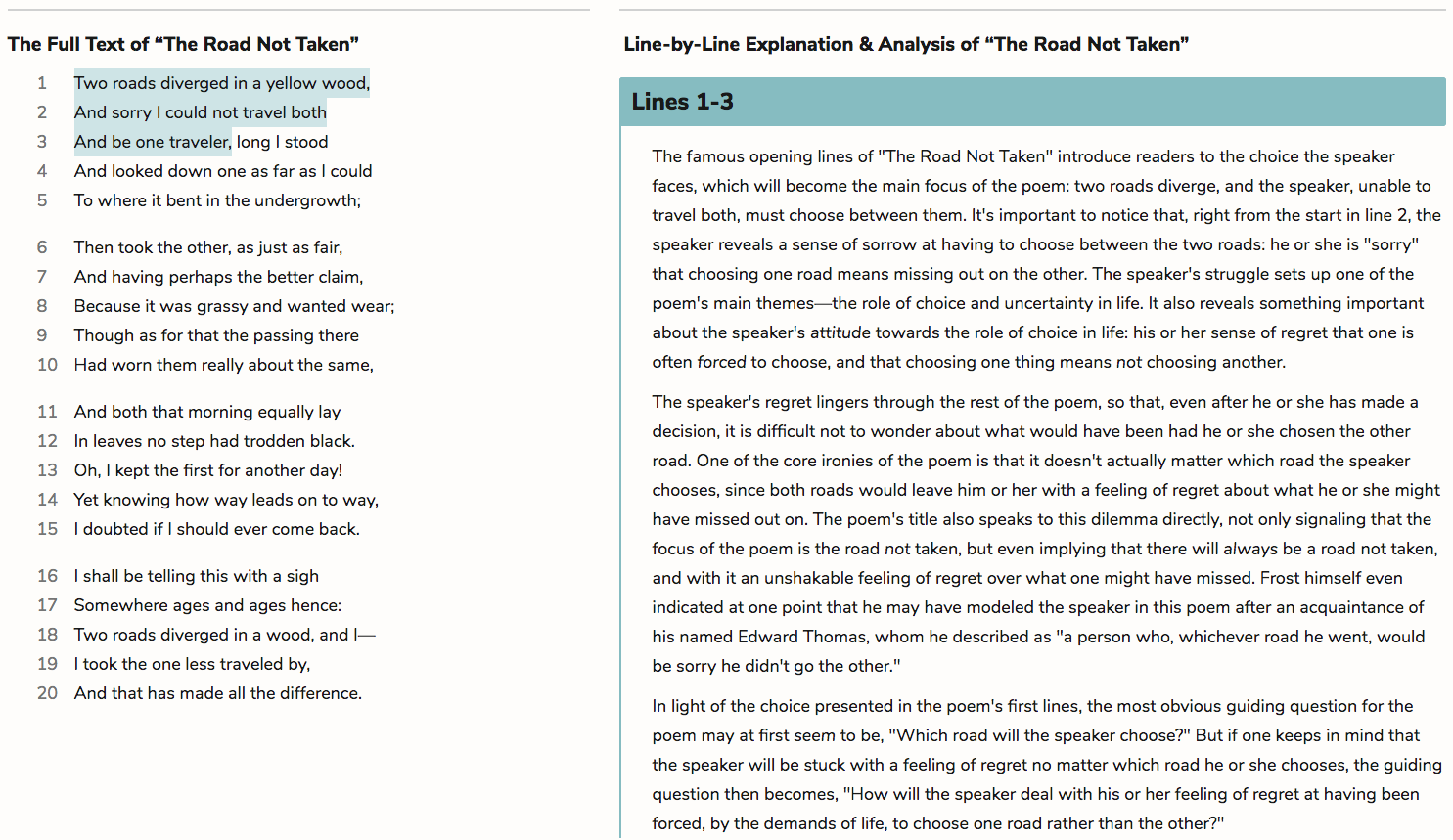
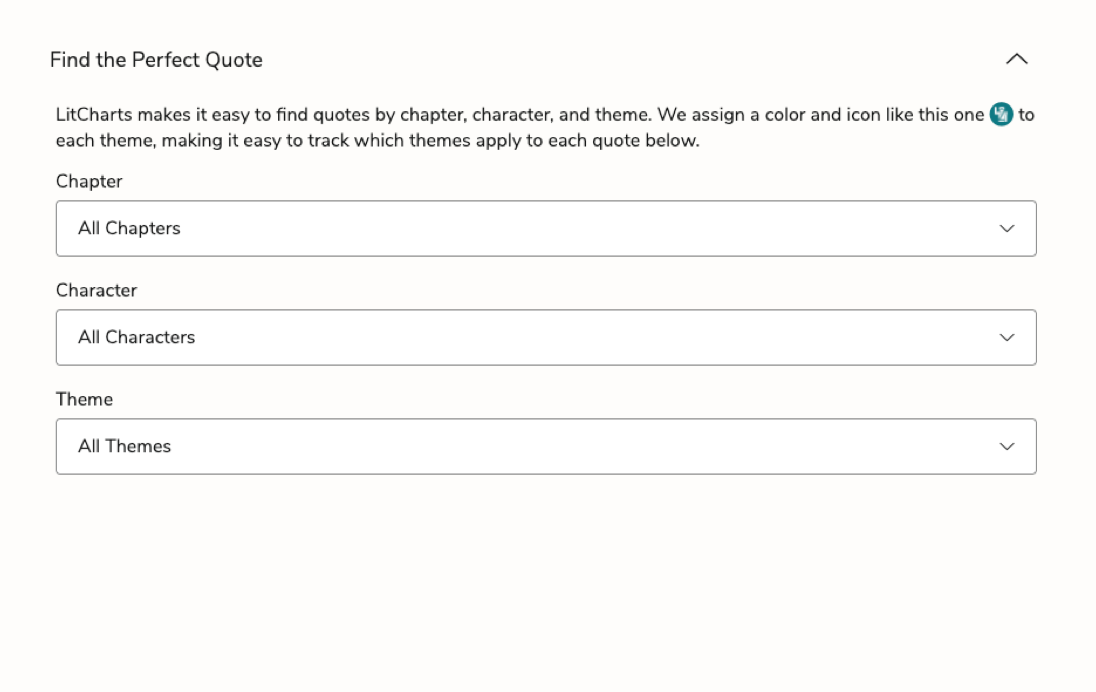
Find the perfect quote
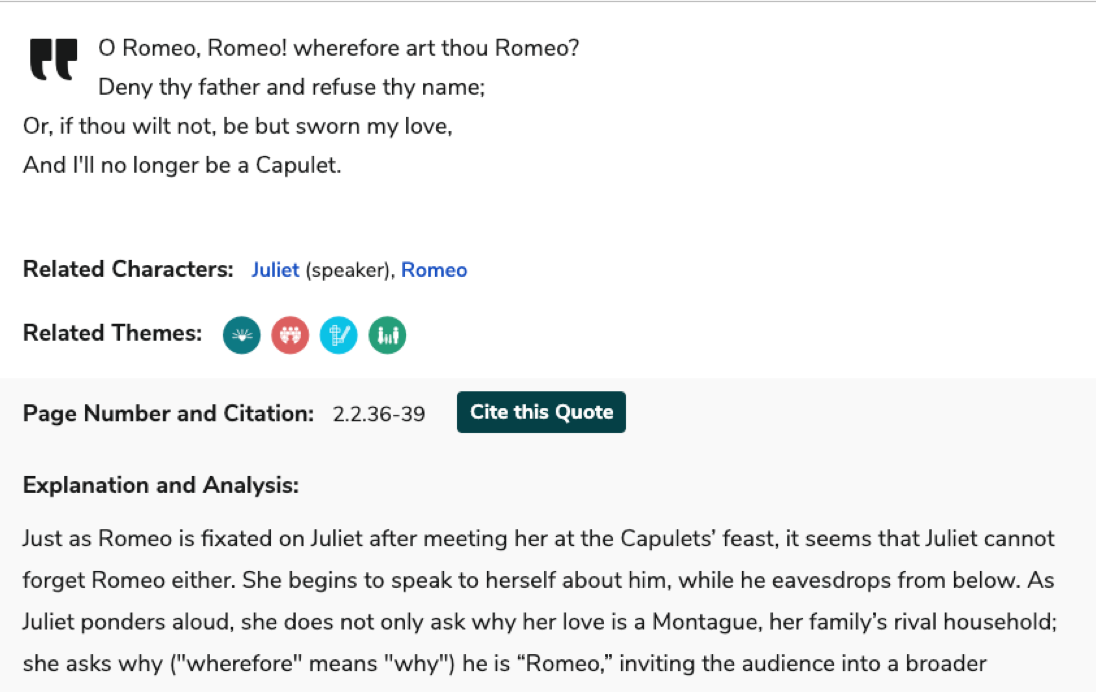
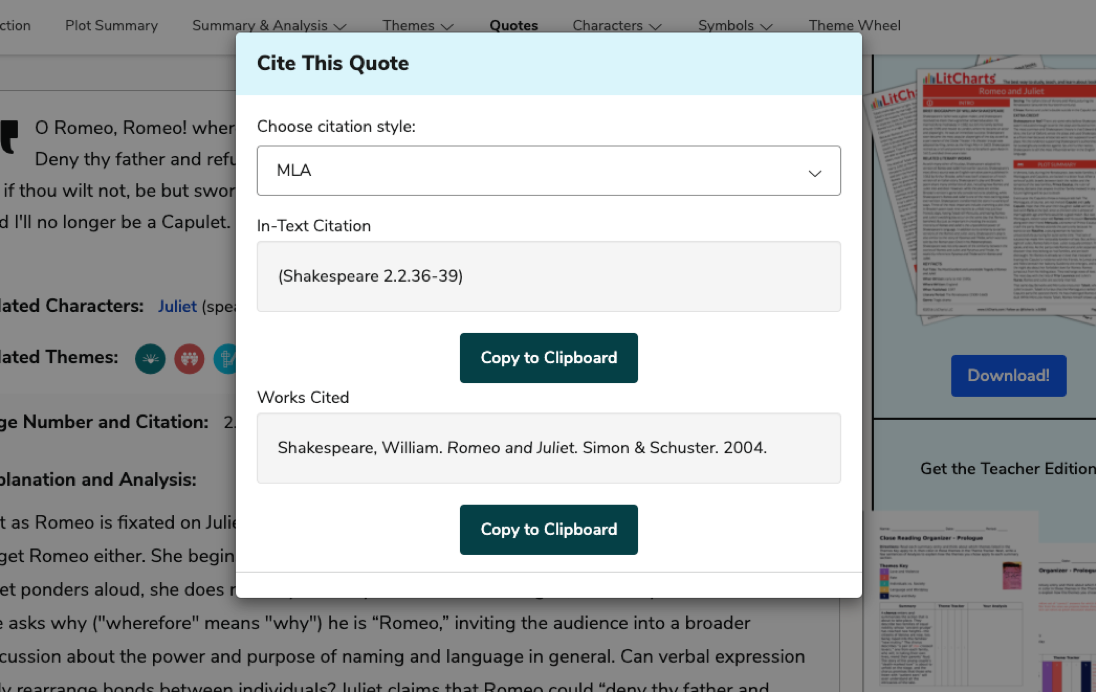
Then understand it perfectly. And get the citation, too. For all 35,000+ quotes we cover.

|
Have questions?
Contact us
Already a member? Sign in
|
During a dinner in Chapter 10, Proulx uses metaphor to indicate the aunt's lack of interest in the conversation:
The aunt's red face bent down, parentheses around her mouth set like clamps. Impossible to know if she was listening to Nutbeem or flying over the Himalayas.
In this passage, Proulx shows how metaphor can vary widely in terms of scale while still describing the same object. The "parentheses" around her mouth are not really parentheses but deep lines called nasolabial folds. However, by using the metaphor of parentheses, Proulx also conveys the aunt's isolation from the conversation: like the content inside parentheses, she is set off from the main action of the table (the conversation between Quoyle and Nutbeem).
At the same time, she is either listening to Nutbeem or "flying over the Himalayas." In other words, she is either engaged in the conversation or very far away from it. The Himalayas are on the other side of the world from Newfoundland, and "flying" over them suggests a trance or dreamlike state that takes the aunt out of reality and places her elsewhere. Here, metaphor expresses a feeling both more specifically but also more subtly than a more explicit description would.


 Teacher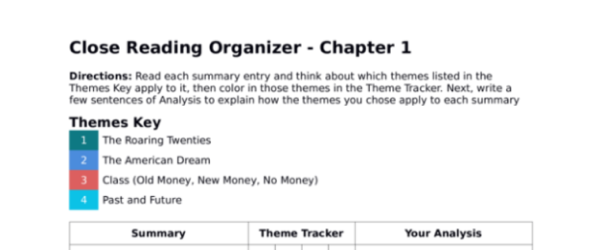










|
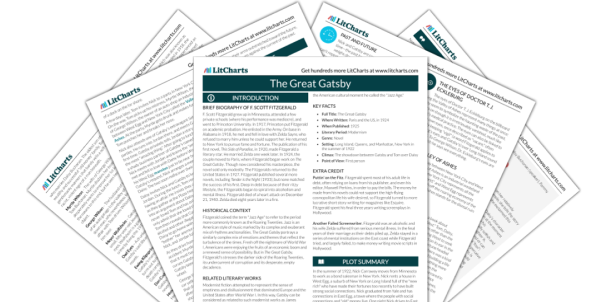
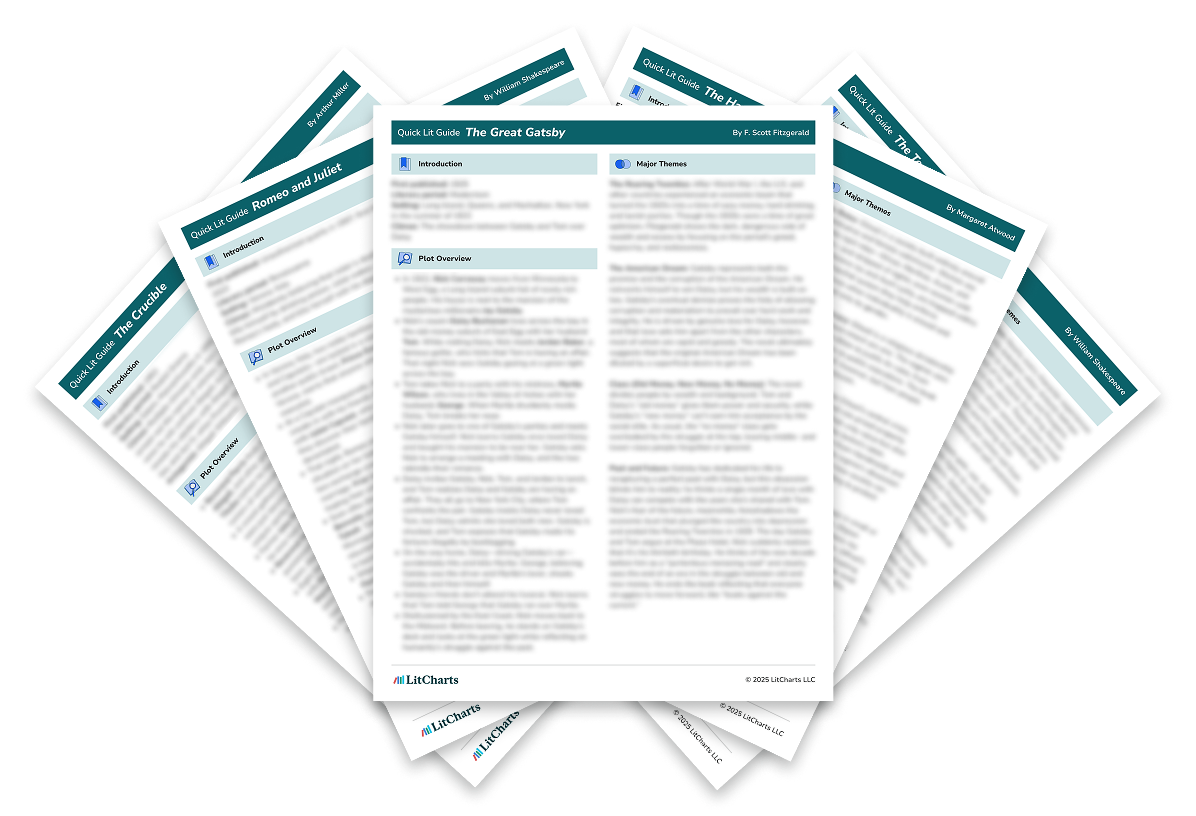
Close Reading Organizers |

|
Character Analysis Organizers |

|
Symbol Analysis Organizers |

|
Theme Analysis Organizers |

|
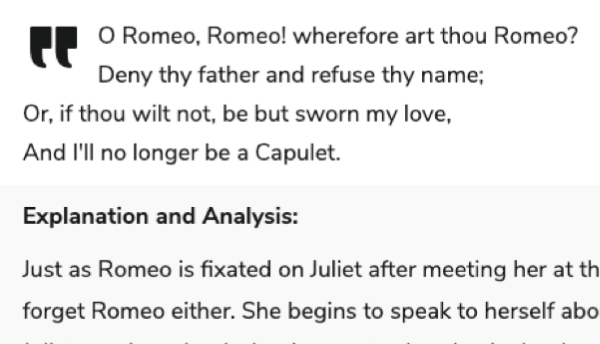
Quote Analysis Organizers |
Common Core-aligned