Find the perfect quote
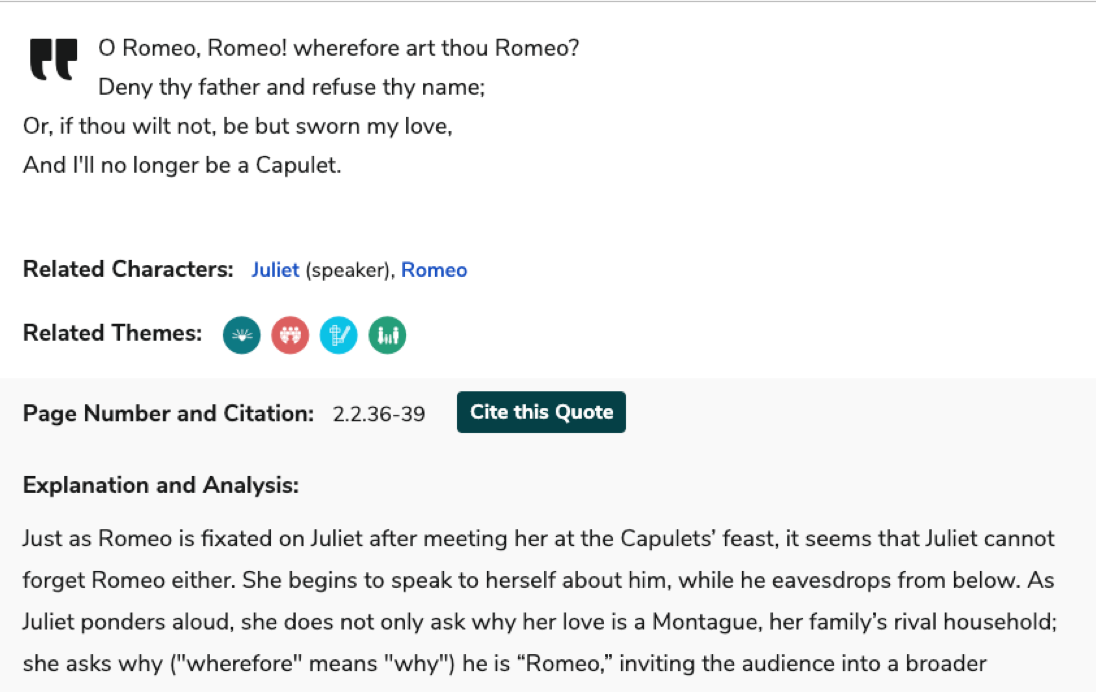
Then understand it perfectly. And get the citation, too. For all 35,000+ quotes we cover.

|
Have questions?
Contact us
Already a member? Sign in
|
The second part opens just after the newly married couple has arrived in the town of Massacre, in Dominica. The gloomy atmosphere of these early scenes does not bode well for the honeymoon or marriage, and is deepened when the husband hears a rooster crowing. This biblical allusion becomes a motif in the novel, foreshadowing subsequent misery and betrayal.
Almost right away, the reader feels that the relationship between the husband and Antoinette is ill-fated. To begin with, the second part opens to heavy rain, which adds to the husband's "feeling of discomfort and melancholy." Because he serves as narrator in this section, his emotional state has a direct bearing on the reader's mood. Additionally, the town's violent name sharpens his sense of alienation. The dialogue also contributes to the gloomy foreshadowing. Amélie, for example, laughs at the husband while she wishes him happiness in his "sweet honeymoon house." A little later, a porter who calls himself the Young Bull tells him, "This is a very wild place—not civilized. Why you come here?"
As they leave Massacre and begin to ascend the hills, the husband hears something that sharpens the foreshadowing.
A cock crowed loudly and I remembered the night before which we had spent in the town. Antoinette had a room to herself, she was exhausted. I lay awake listening to cocks crowing all night.
The crowing rooster has biblical associations. In the Gospels, Jesus predicts that Peter the Apostle will abandon him before the crowing of the rooster in the morning. Peter says that he will stand by Jesus's side even if it means dying with him. After Jesus is arrested, however, Peter denies knowing him three times. After the third time, he hears a rooster crowing. Reminded of Jesus's prediction, Peter weeps bitterly. Based on this, the sound is often associated with betrayal and considered inauspicious.
Later in the second part, Antoinette hears a rooster after she has visited Christophine. Rather than simply remarking on the sound as the husband did earlier, she explicitly identifies it as a symbol of betrayal.
Nearby a cock crew and I thought, "That is for betrayal, but who is the traitor?"
Knowing that Christophine is a practitioner of obeah, Antoinette has asked her former nurse for a love potion. When she wonders who the traitor is, the possibilities include Christophine, the husband, and herself. She feels guilty for bringing money into her relationship with Christophine, as well as for inviting her to practice obeah on her husband. This self-probing distinguishes her internal monologue from that of the husband. Typically taking it for granted that he's the victim in a given situation, he rarely wonders whether he's doing the right thing. Antoinette, on the other hand, is open to the possibility that the traitor is herself. She doesn't reach a clear conclusion, however, raising the rather broad question "And what does anyone know about traitors, or why Judas did what he did?"
The couple's honeymoon is bookended by a rooster crowing. When the husband sits down to write a letter to his father explaining their departure from Dominica, he hears "a cock [crow] persistently outside." Haunted by the sound, but not curious whether it may be a signal of his betrayal of Antoinette, he throws a book at the rooster. He asks Baptiste what "that damn cock crowing about," and Baptiste responds that it is "crowing for change of weather."


 Teacher










|
Close Reading Organizers |

|
Character Analysis Organizers |

|
Symbol Analysis Organizers |

|
Theme Analysis Organizers |

|
Quote Analysis Organizers |
Common Core-aligned