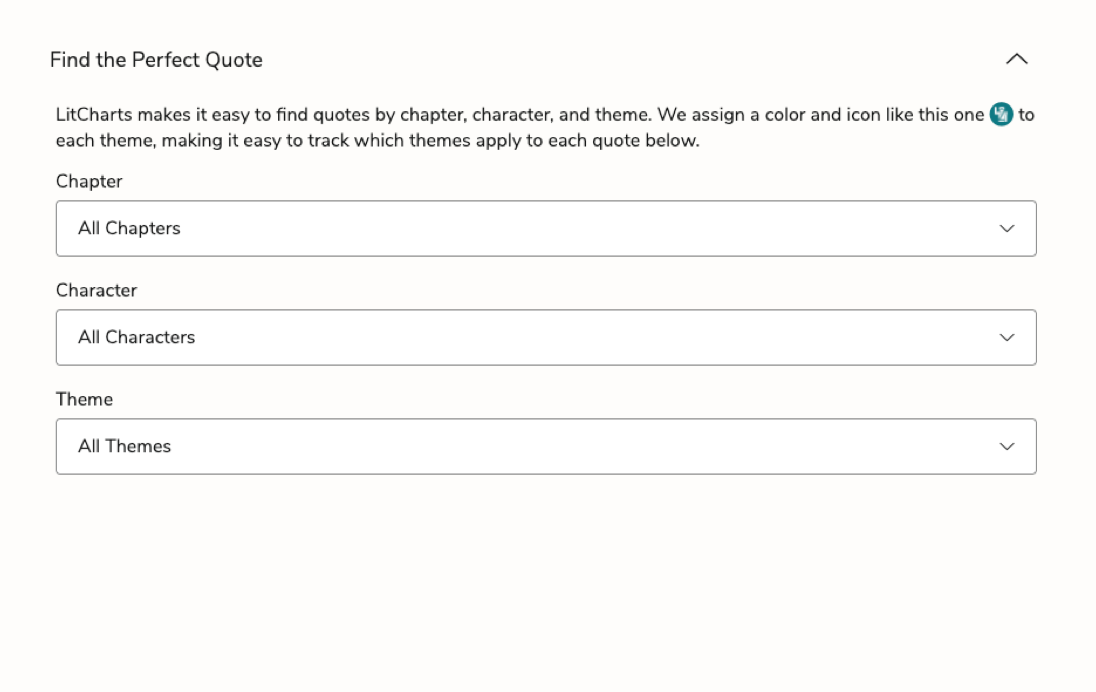
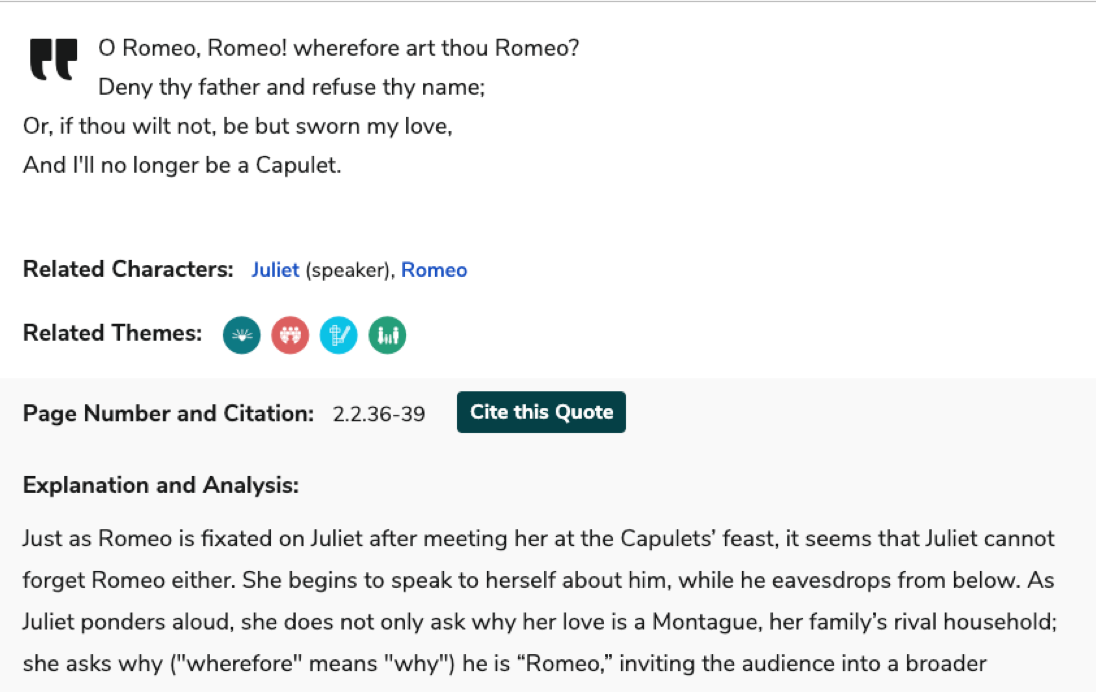
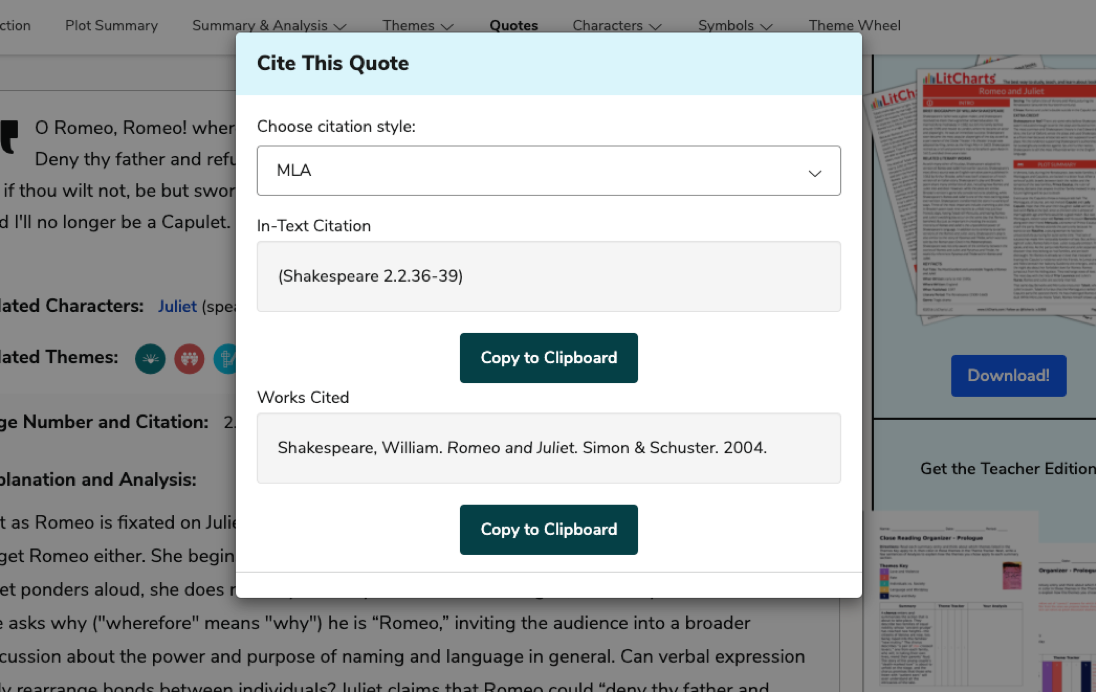
Find the perfect quote
Then understand it perfectly. And get the citation, too. For all 35,000+ quotes we cover.

|
Have questions?
Contact us
Already a member? Sign in
|
Apples are a key motif in the novel. They occur three important times. First, Vonnegut explains what an apple is: he describes it as "a popular fruit" and includes an accompanying drawing. Second, in a passage that plays with symbolism to such an extreme that it pushes the limits of what should be taken seriously as symbolism, he alludes to the story of Adam and Eve by saying: "What was the apple which Eve and Adam ate? It was the Creator of the Universe." Finally, in the epilogue, Vonnegut himself (both character and author) offers an apple to Trout:
"I hold in my hand a symbol of wholeness and harmony and nourishment. It is Oriental in its simplicity, but we are Americans, Kilgore, and not Chinamen. We Americans require symbols which are richly colored and three-dimensional and juicy. Most of all, we hunger for symbols which have not been poisoned by great sins our nation has committed, such as slavery and genocide and criminal neglect, or by tinhorn commercial greed and cunning." [...]
He saw that I held an apple in my hand.
Vonnegut's use of apples combines the symbolism of the Garden of Eden with a critique of contemporary life in America. In this passage, the apple is a symbol that has "not been poisoned" by the "sins" of America. In the story of Adam and Eve, though, the apple is forbidden, and causes the pair to be exiled from Eden. Vonnegut recasts the story of Adam and Eve in such a way that the apple represents freedom rather than exile: freedom from the sins of the nation, freedom from "the Creator of the Universe," and free will.
The apple in this passage also interacts with themes of fiction versus truth. Because this passage occurs at the moment when Vonnegut (both author and character) grants Kilgore Trout free will, the apple becomes a way of turning a fictional character into a real human being (though, of course, still within the confines of a novel). In other words, Kilgore moves from Vonnegut's fictional America to the real America. This means seeing past the myths and stories that make up the concept of America, which is often portrayed as a kind of consumerist Eden; it means recognizing the country's sins and trying to elude or remedy them. To accept free will is to accept responsibility and a knowledge of good and evil. In this sense, Vonnegut turns the fable of Adam and Eve on its head. You must accept the apple and the knowledge of America's sins to be a true American. Escape from Edenic fictions means recognizing that America was never the paradise it sold itself to be.



 Teacher












|
Close Reading Organizers |

|
Character Analysis Organizers |

|
Symbol Analysis Organizers |

|
Theme Analysis Organizers |

|
Quote Analysis Organizers |
Common Core-aligned