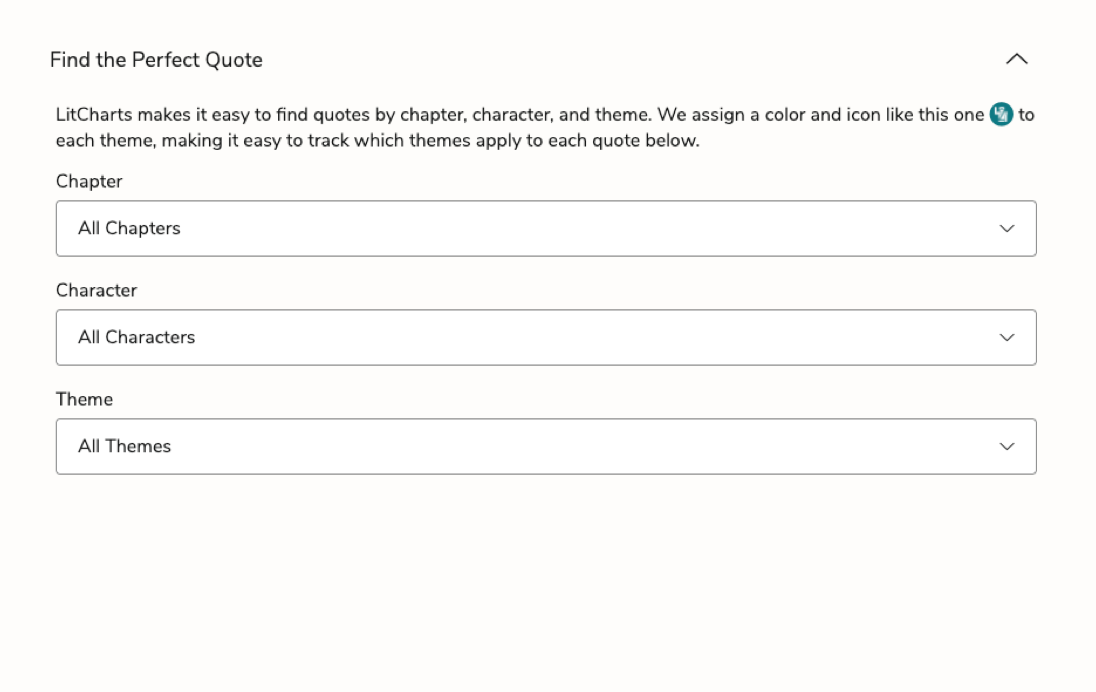
Find the perfect quote
Then understand it perfectly. And get the citation, too. For all 35,000+ quotes we cover.

|
Have questions?
Contact us
Already a member? Sign in
|
Near the beginning of the book, Emma admits that she has never left the small town of Highbury. As male characters come and go, and as Emma herself finally starts to venture out, traveling becomes a motif of the novel.
Emma has spent all her time in Highbury because her father does not want her to be away from him and, as she’s unmarried, she has to do as he says—one example of the type of gender limitations that Emma experiences. In a particularly vulnerable moment, Emma implores her sister and brother-in-law not to tell her about their travels because it makes her jealous:
“Come, come,” cried Emma, feeling this to be an unsafe subject, “I must beg you not to talk of the sea. It makes me envious and miserable;—I who have never seen it!”
While Emma longs to explore the world, male characters like Frank and Knightley are allowed to come and go as they please, traveling frequently, and leaving Emma behind. It isn’t until Emma is married to Knightley that she is able to make plans to visit the sea.
Still, partway through the novel she takes a trip to Box Hill, the farthest she’s ever been from home, and it is an important moment. When she returns home, she begins to reckon with her vanity (having insulted Miss Bates while on the trip) and starts to mature as a person.


 Teacher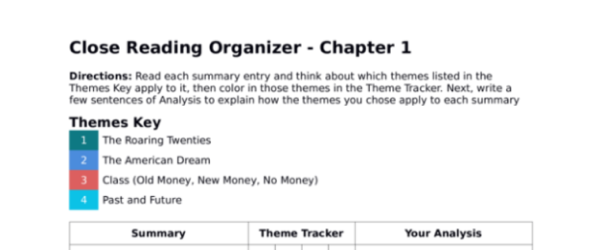













|
Close Reading Organizers |

|
Character Analysis Organizers |

|
Symbol Analysis Organizers |

|
Theme Analysis Organizers |

|
Quote Analysis Organizers |
Common Core-aligned