Find the perfect quote
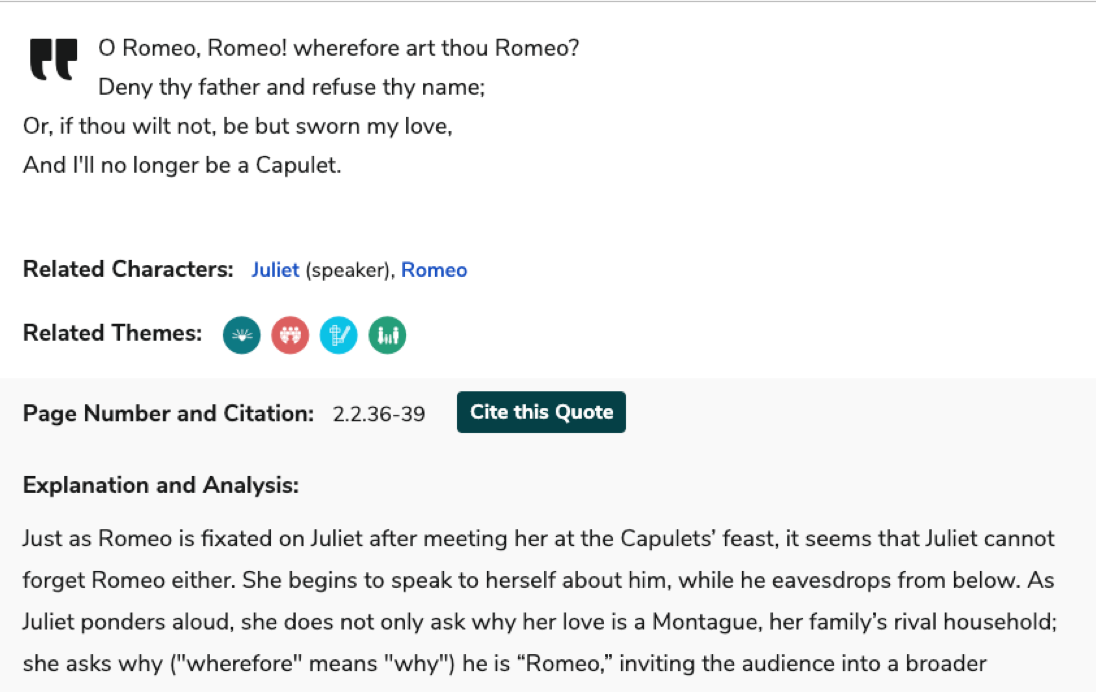
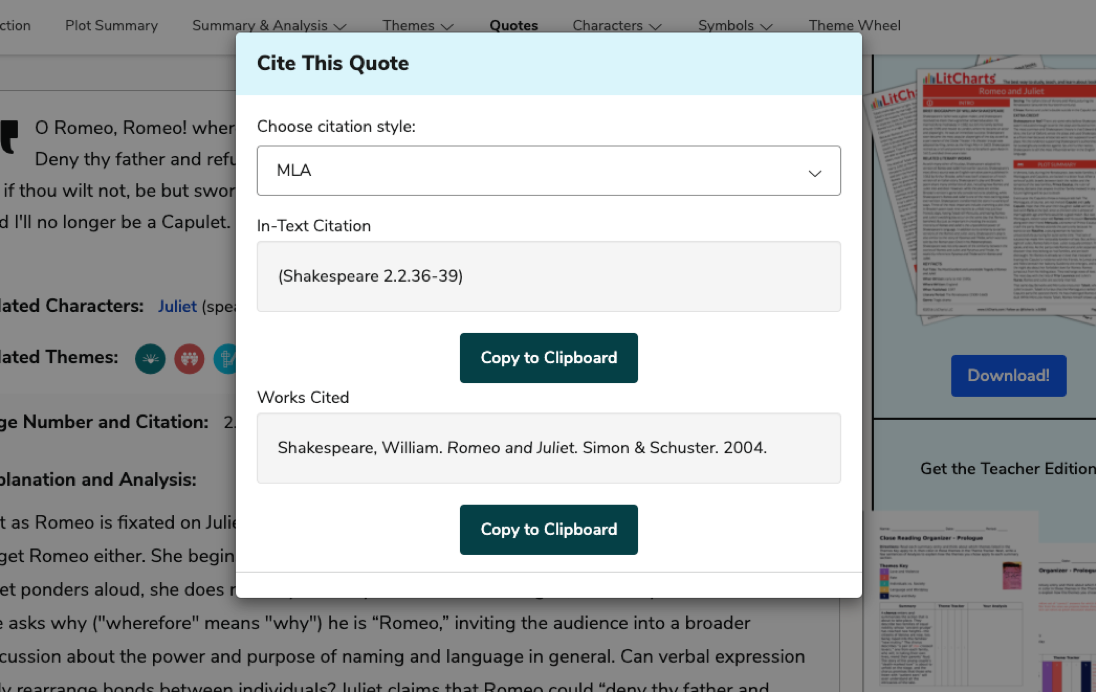
Then understand it perfectly. And get the citation, too. For all 35,000+ quotes we cover.

|
Have questions?
Contact us
Already a member? Sign in
|
Twelfth Night contains numerous allusions to early 17th century English politics, and the play can be interpreted as either an homage to or a parody of the Elizabethan court.
The most obvious reference to English royalty is the character of Olivia, whose resemblance to Queen Elizabeth I has been noted by numerous scholars. After the execution of her mother, Anne Boleyn, Elizabeth was declared illegitimate and removed from the line of succession. But following the deaths of her father, half-brother, and half-sister, she ascended to the English throne. In Twelfth Night, Olivia likewise only becomes mistress of her household after her father and brother have both died.
Shakespeare also appears to have partially based the plot of Twelfth Night on Elizabeth's relationship with the Duke of Alençon. Alençon, who was the son of Catherine de' Medici and King Henry II of France, began attempts to negotiate a marriage to Elizabeth in 1596. The duke enlisted Jean de Simier, his most trusted courtier, to woo Elizabeth on his behalf. If court gossip of the time is to be believed, this tactic worked a bit too well, and Elizabeth grew so fond of de Simier that Robert Dudley, the Earl of Leicester and another of Elizabeth's suitors, attempted to have the courtier assassinated in a fit of jealousy. Shakespeare parodies this scandalous love affair in Twelfth Night, with Orsino as Alençon, Viola/Cesario as de Simier, and Sir Andrew Aguecheek in the role of Dudley, the scorned suitor.
The character of Feste also appears to be an homage to the jester Will Sommers, who originally served King Henry VIII and retired during the reign of Elizabeth. Feste, likewise, was originally an employee of Olivia's father, according to this line in Act 2, Scene 4:
Curio: Feste the jester, my lord, a Fool that the Lady
Olivia’s father took much delight in.
Court jesters of the time were permitted a certain familiarity with royalty not available to other citizens, and like Feste, Sommers was not afraid to poke fun at his employers. But while Feste only goes so far as to call Olivia a "fool," Sommers once narrowly avoided a death sentence when he referred to Queen Elizabeth as a "bastard."



 Teacher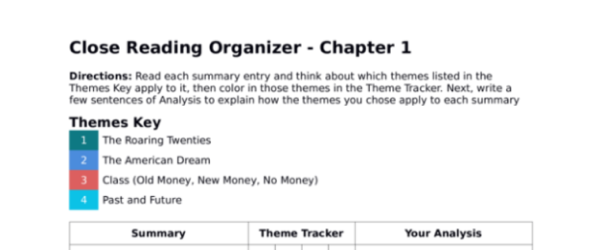













|
Close Reading Organizers |

|
Character Analysis Organizers |

|
Symbol Analysis Organizers |

|
Theme Analysis Organizers |

|
Quote Analysis Organizers |
Common Core-aligned