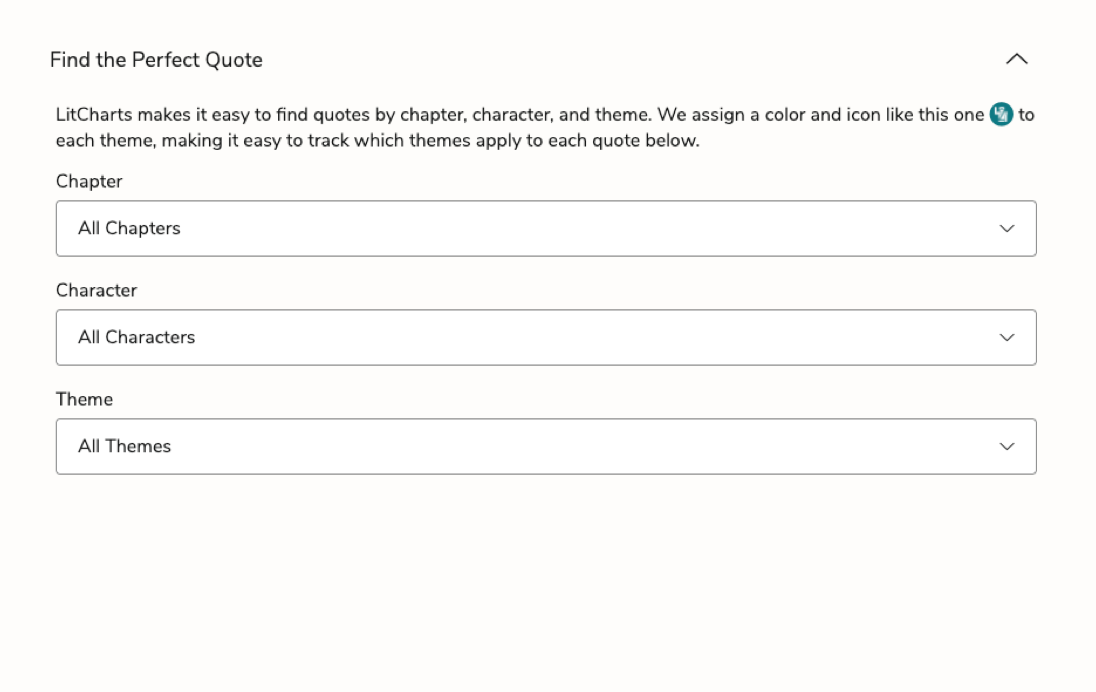
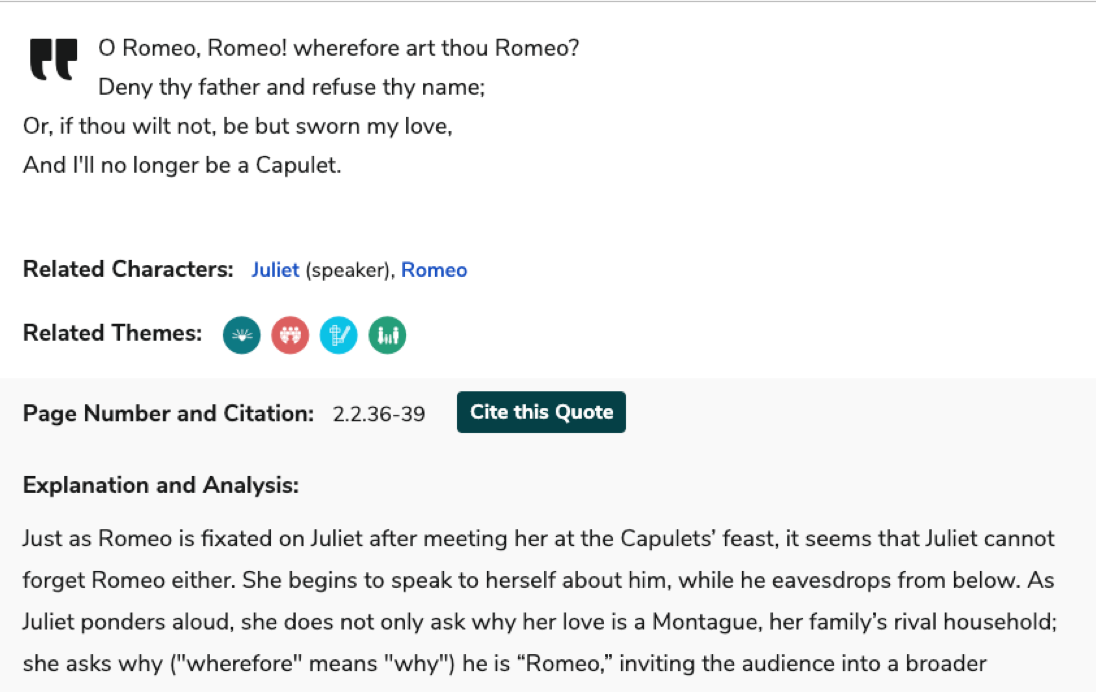
Find the perfect quote
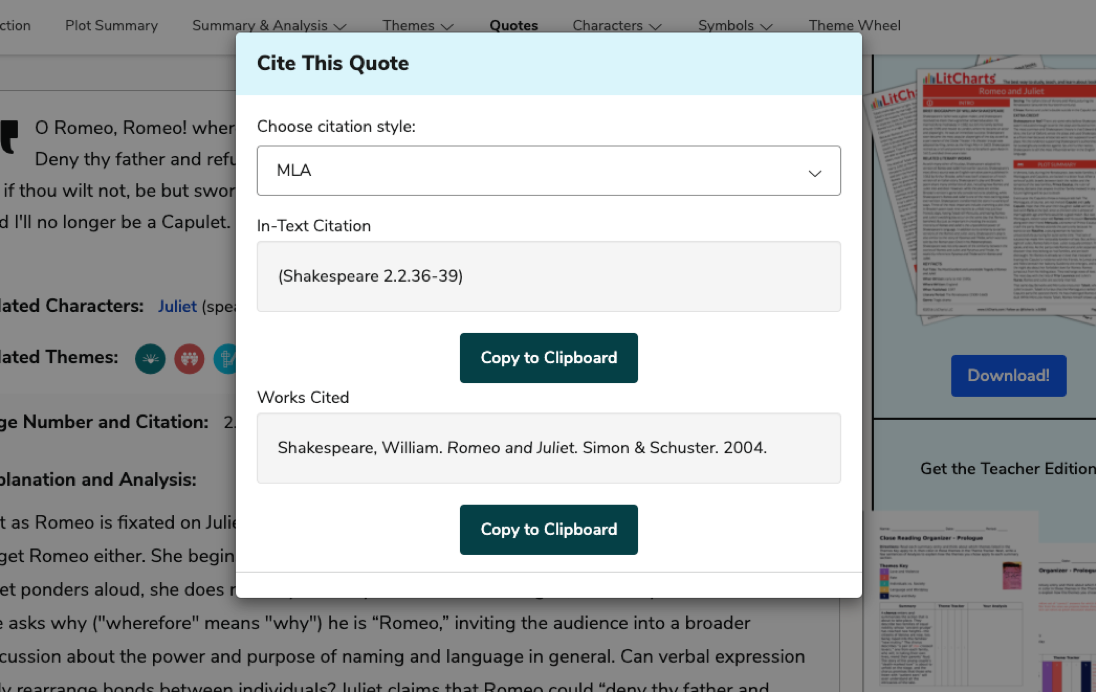
Then understand it perfectly. And get the citation, too. For all 35,000+ quotes we cover.

|
Have questions?
Contact us
Already a member? Sign in
|
In an epic simile, the poem compares the monstrous Scylla to an "angler," or a person who fishes with a line and a hook:
Just as an angler poised on a jutting rock
flings his treacherous bait in the offshore swell,
whips his long rod —hook sheathed in an oxhorn lure —
and whisks up little fish he flips on the beach-break,
writhing, gasping out their lives . . . so now they writhed, [...]
screaming out, flinging their arms toward me,
lost in that mortal struggle . . .
Of all the pitiful things I’ve had to witness,
suffering, searching out the pathways of the sea,
this wrenched my heart the most.
Earlier, Tiresias prophesied that Odysseus and his men would have to cross either Scylla or Charybdis on their return voyage. While six men would be lost to the six heads of the Scylla, Tiresias notes that the whirlpool-like Charybdis will take down the entire ship. Knowing that this information will terrify his men, Odysseus keeps it to himself as he pragmatically directs the ship to cross the path of Scylla, who, as predicted, grabs six of Odysseus's strongest men, killing them. Here, the poem presents a classic example of an epic simile that characterizes Scylla as an angler who "whisks up little fish" using a road and bait. Like the fish caught by an angler, Odysseus's men find themselves "writhing, gasping out their lives" but unable to free themselves. This simile, then, highlights the helplessness of the men in the grasp of the monstrous but powerful Scylla, who dispatches them with ease. A distraught Odysseus characterizes this encounter with Scylla as the most painful part of his return voyage.


 Teacher











|
Close Reading Organizers |

|
Character Analysis Organizers |

|
Symbol Analysis Organizers |

|
Theme Analysis Organizers |

|
Quote Analysis Organizers |
Common Core-aligned