Find the perfect quote
Then understand it perfectly. And get the citation, too. For all 35,000+ quotes we cover.

|
Have questions?
Contact us
Already a member? Sign in
|
In this moment in Chapter 9, Kingsolver uses pathos to entwine personal tragedy with political injustice, allowing the reader to feel the full weight of both.
Ismene Esperanza tried to kill herself. Estevan came to the back door and told me in a quiet voice that she had taken a bottle of baby aspirin. I couldn’t really understand why he had come. ‘Shouldn’t you be with her?’ I asked. He said she was with Mattie. Mattie had found her almost immediately and rushed her to a clinic she knew of in South Tucson where you didn’t have to show papers. I hadn’t even thought of this—all the extra complications that must have filled their lives even in times of urgency. Mattie once told me about a migrant lemon picker in Phoenix who lost a thumb in a machine and bled to death because the nearest hospital turned him away.
The scene begins with the deeply personal—the quiet announcement of a suicide attempt—and draws the reader into the narrator’s confusion and concern. But it quickly expands into a larger recognition: even in moments of life-or-death urgency, immigration status dictates the available choices. The fact that Mattie must know where to find a clinic “where you didn’t have to show papers” shifts the tone from personal grief to a systemic critique. The narrator’s sudden awareness of these “extra complications” becomes a turning point, transforming what might have been a moment of private sympathy into one of political consciousness.
The anecdote about the migrant lemon picker intensifies the emotional impact, reframing Esperanza’s situation within a pattern of neglect and preventable loss. The image of a man bleeding to death—not because of the severity of his injury, but because of a bureaucratic barrier—becomes a devastating emblem of how policy can be as lethal as physical harm. This layering of stories gives the reader not only one tragedy to grieve, but a web of them, showing that Esperanza’s despair is bound up in a larger climate of fear, exclusion, and vulnerability.
Pathos operates here in two intertwined realms: the immediate pain of a woman in crisis, and the broader outrage at a system that forces people to weigh their survival against the risk of being deported. By letting the narrator—and by extension, the reader—arrive at this realization in real time, Kingsolver makes the emotional impact feel both urgent and inescapable. The result is a moment that lingers not just as a plot point, but as a moral reckoning.




 Teacher

















|
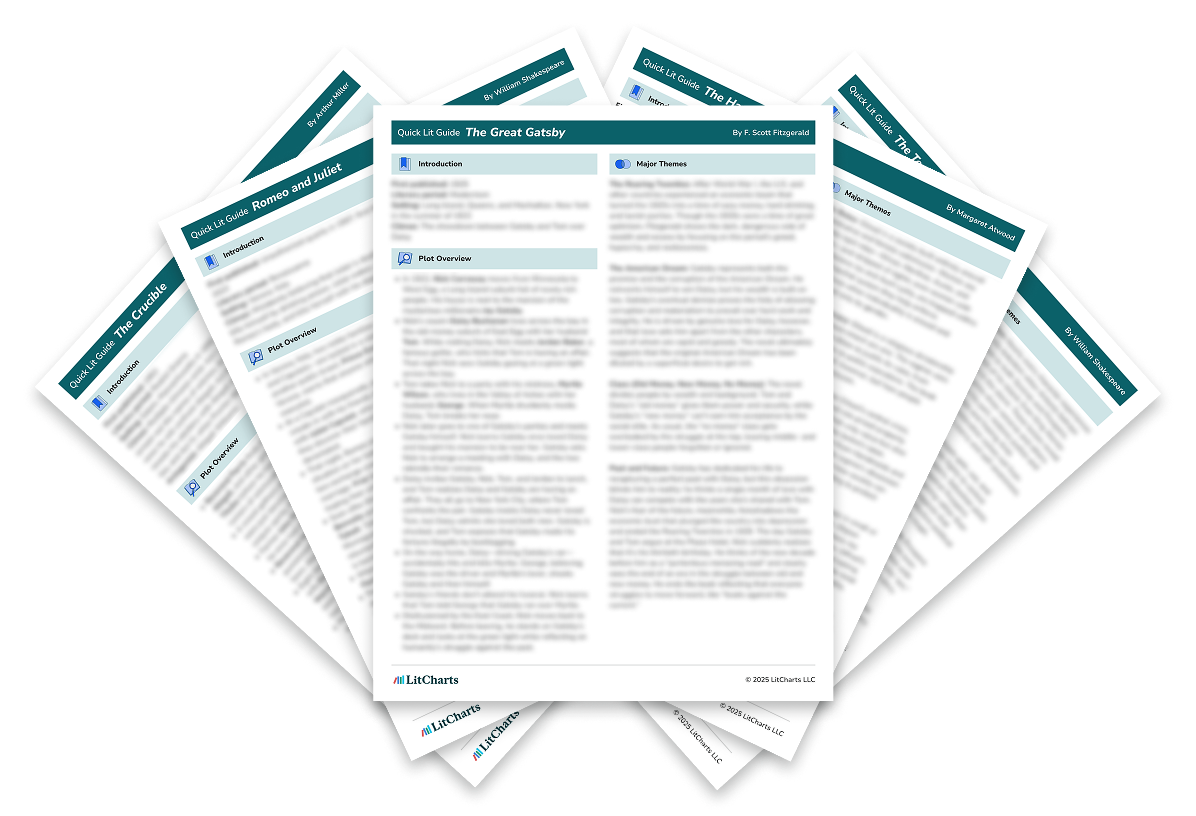
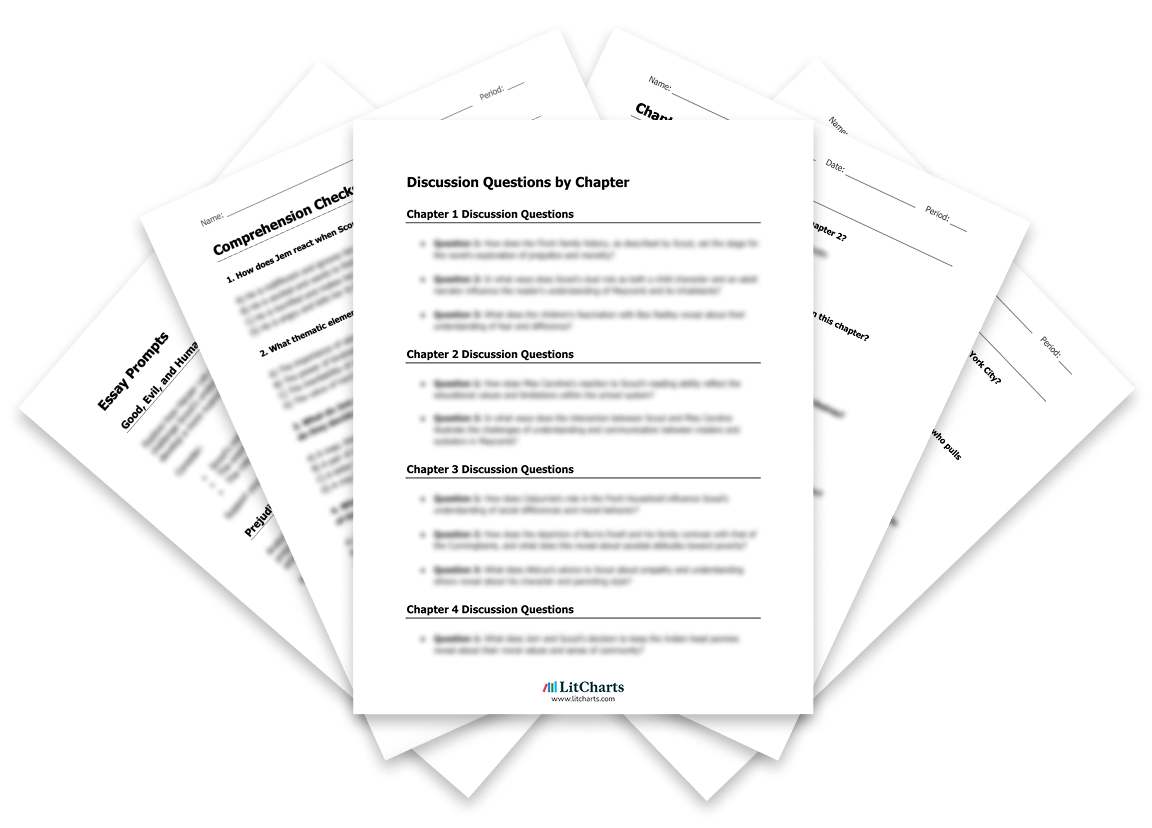
Close Reading Organizers |

|
Character Analysis Organizers |

|
Symbol Analysis Organizers |

|
Theme Analysis Organizers |

|
Quote Analysis Organizers |
Common Core-aligned