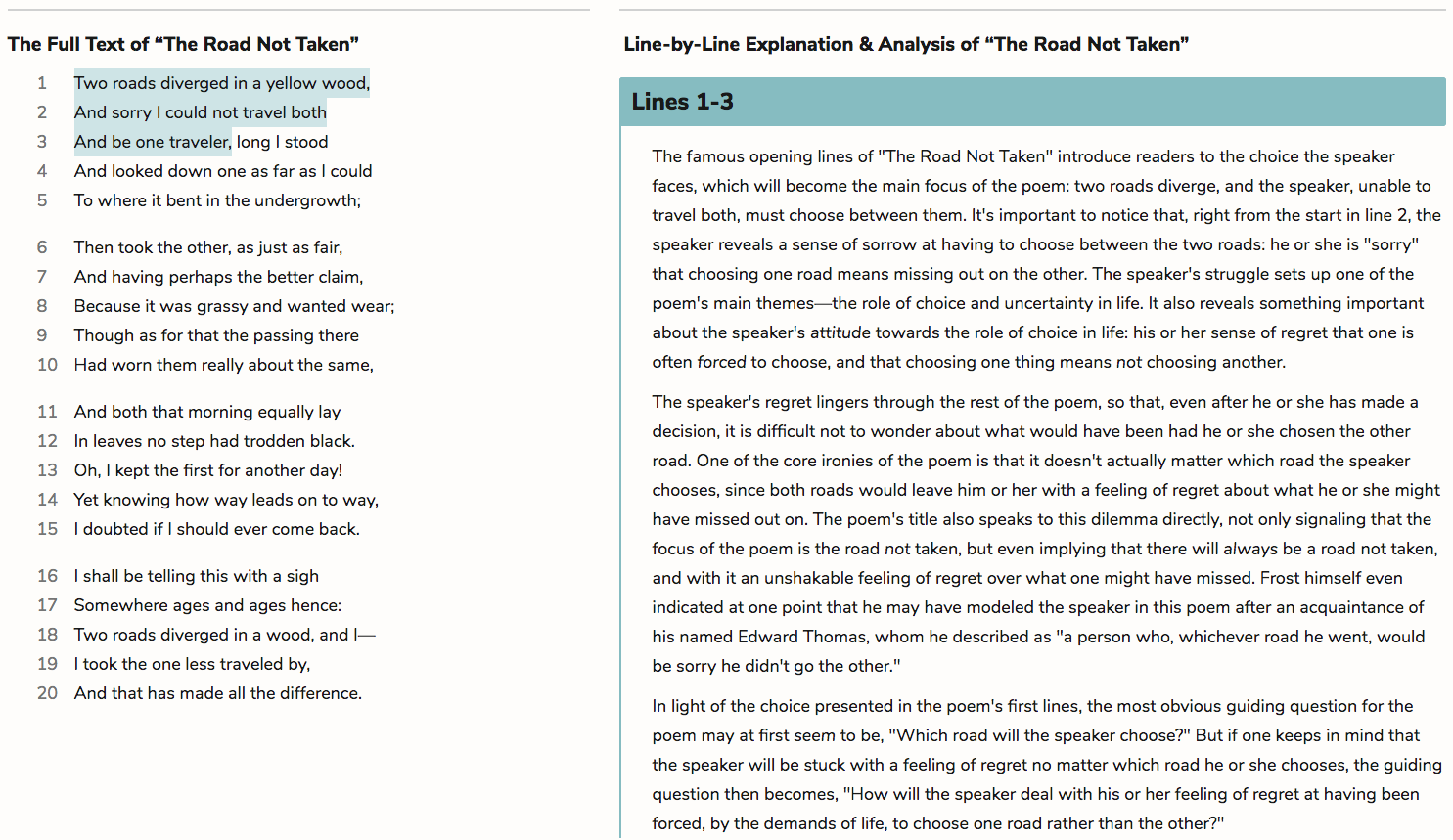
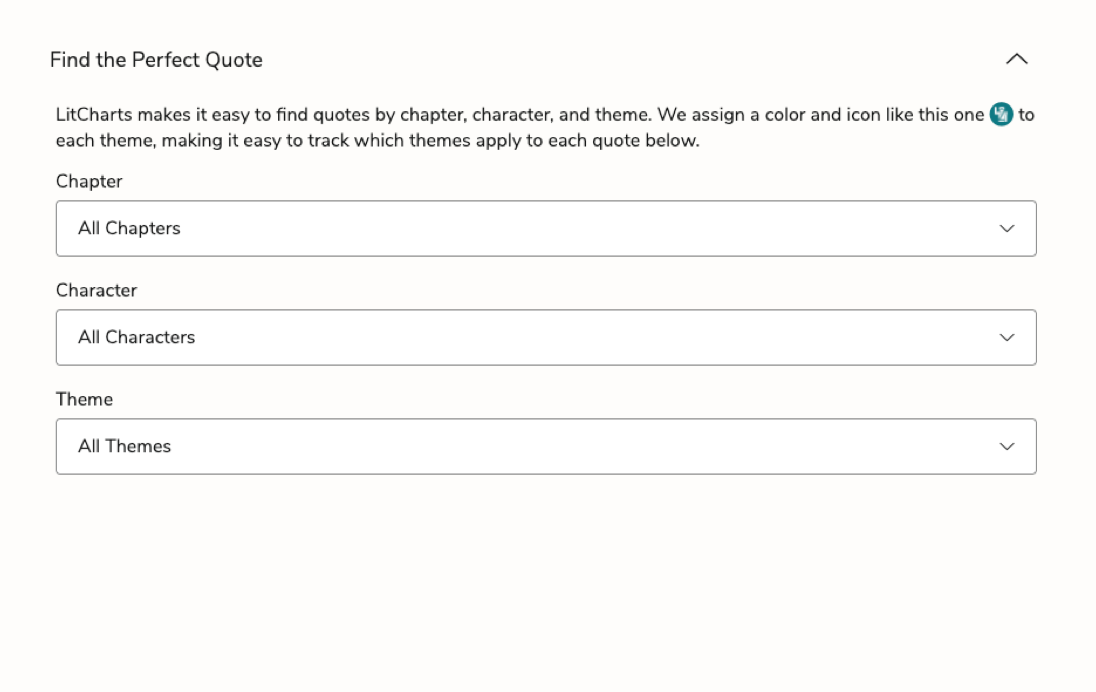
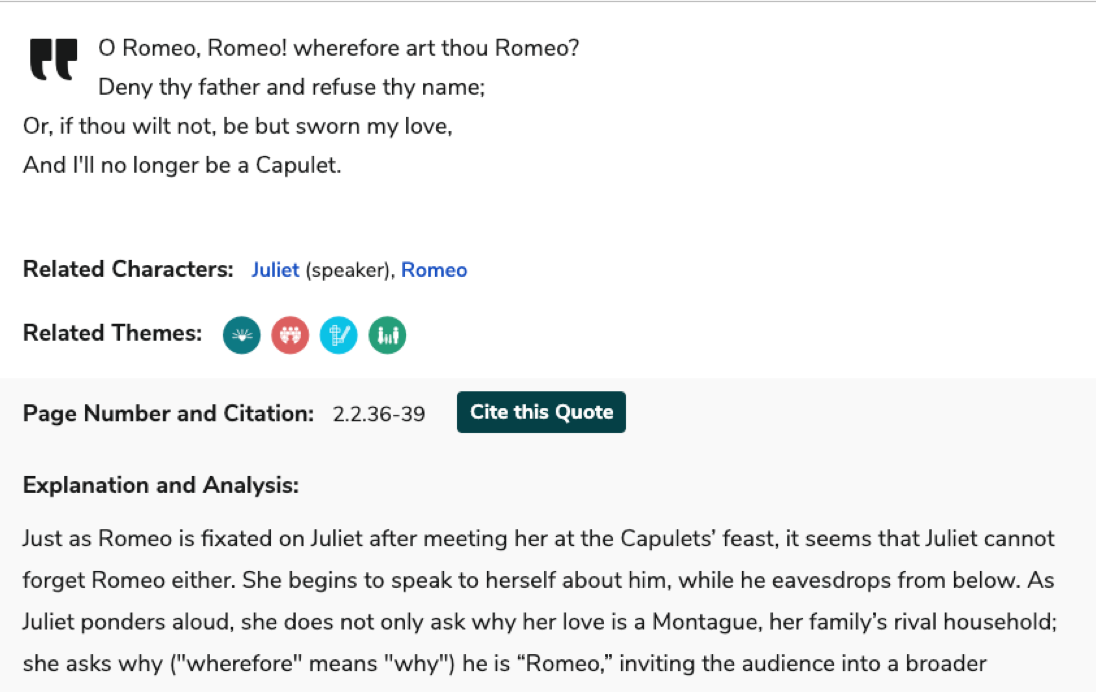
Find the perfect quote
Then understand it perfectly. And get the citation, too. For all 35,000+ quotes we cover.

|
Have questions?
Contact us
Already a member? Sign in
|
The way Pip describes his early education in this novel mirrors many of the author's other narratives on the standard of British schooling for children. The author uses satire to poke fun at the accepted standards of learning in Pip's childhood in Chapter 7, when the narrator explains how he learned to read and write:
Mr. Wopsle’s great-aunt kept an evening school in the village; that is to say, she was a ridiculous old woman of limited means and unlimited infirmity, who used to go to sleep from six to seven every evening, in the society of youth who paid twopence per week each, for the improving opportunity of seeing her do it.
British schooling for children, especially for the poor, was in Dickens's opinion substandard at best and outright laughable at worst. To this point, the author equates the "keeping" of a schoolhouse with a supervised nap for Mrs Wopsle. When Pip tells the reader that this method "is to say" she kept a school, he is indicating the ridiculousness of paying for an education which only involves "seeing" the old woman "go to sleep from six to seven every evening."
The description of Pip's "school" quoted above is more than just the author fleshing out the nature of Pip's early (and sometimes thwarted) attempts at self-improvement. This moment of satire is a commentary by Dickens on the lax enforcement of educational standards in the country as a whole, before the regulation of public-school hours and teaching certification. The Public Education Act by the British Parliament, which attempted to resolve this problem, was ironically only passed in 1870, very soon after Dickens died.


 Teacher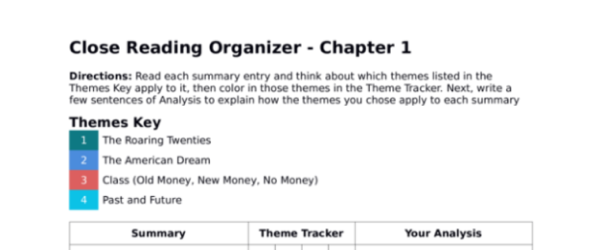













|
Close Reading Organizers |

|
Character Analysis Organizers |

|
Symbol Analysis Organizers |

|
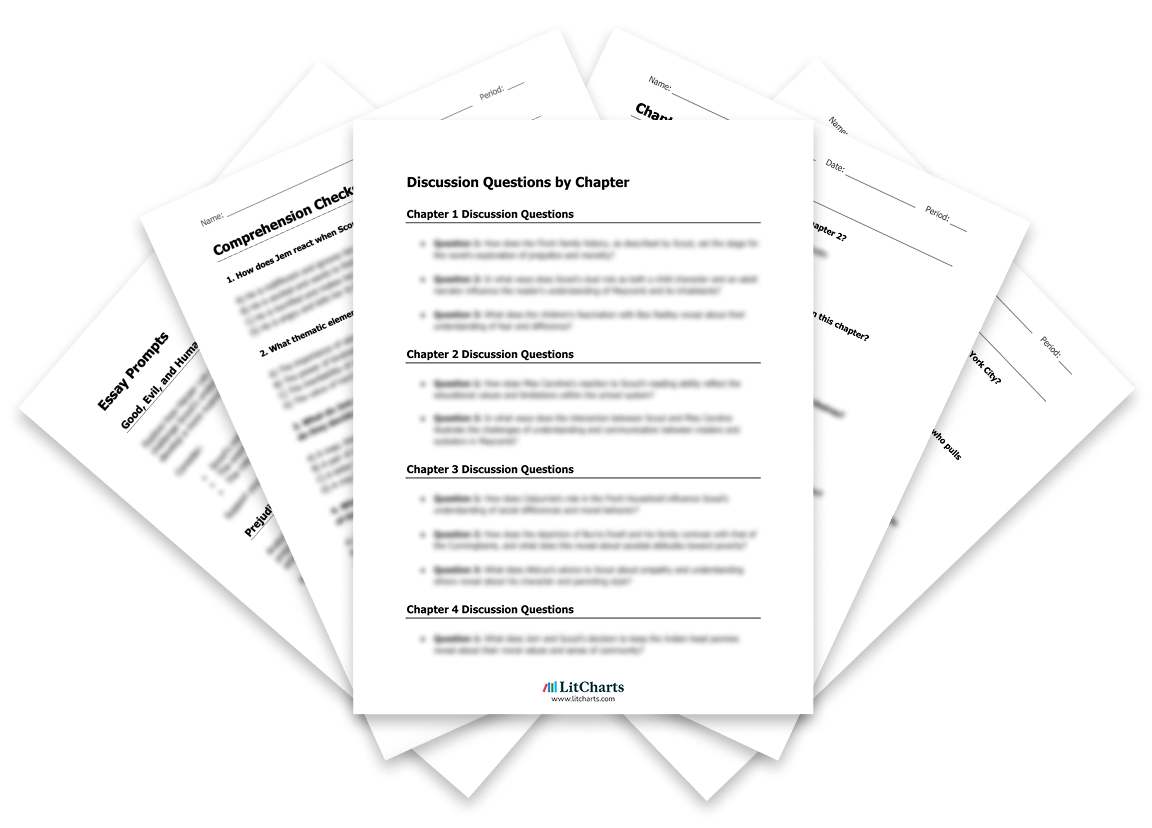
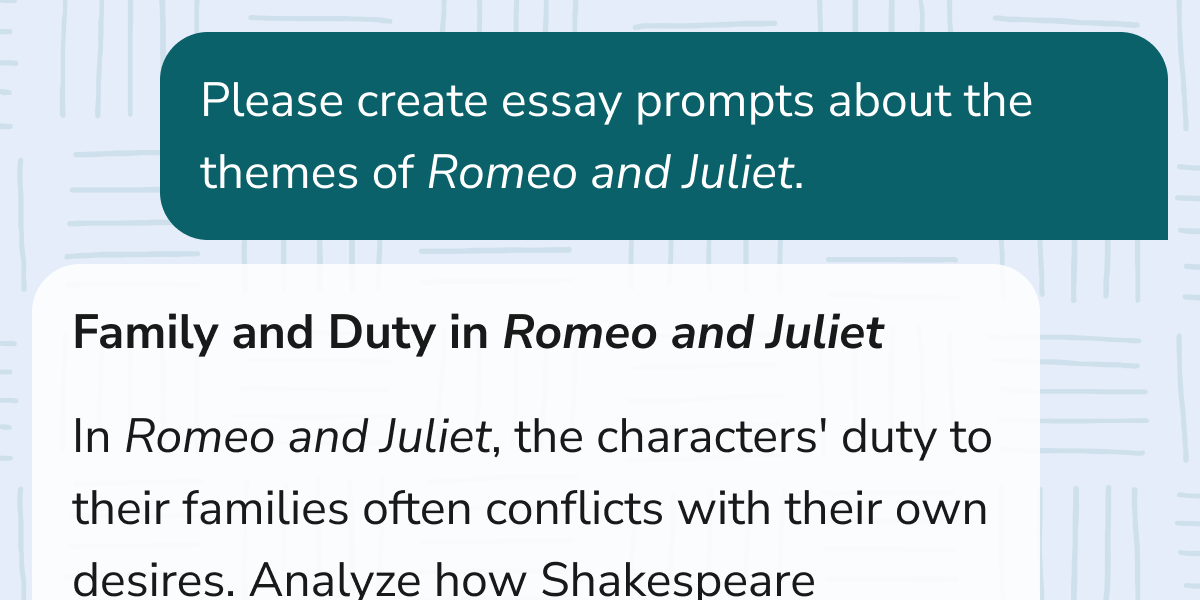
Theme Analysis Organizers |

|
Quote Analysis Organizers |
Common Core-aligned