Find the perfect quote
Then understand it perfectly. And get the citation, too. For all 35,000+ quotes we cover.

|
Have questions?
Contact us
Already a member? Sign in
|
Throughout Leviathan, Hobbes offers a withering critique of classical education and the Catholic Church, both of which he accuses of being overly reliant upon erroneous traditions. He satirizes both as peddling “old Wives Fables”:
Lastly, for the Errors brought in from false, or uncertain History, what is all the Legend of fictitious Miracles, in the lives of the Saints; and all the Histories of Apparitions, and Ghosts, alledged by the Doctors of the Romane Church, to make good their Doctrines of Hell, and Purgatory, the power of Exorcisme, and other Doctrines which have no warrant, neither in Reason, nor Scripture; as also all those Traditions which they call the unwritten Word of God; but old Wives Fables?
Hobbes argues that history as taught in the universities is full of “fictitious” events and legends that have been inherited from long-standing traditions despite being—at least in his view—obviously false. He takes aim, for example, at stories of miracles common in “the lives of Saints” as well as other references in history to “Apparitions” and “Ghosts.” He concludes that these superstitions only serve one purpose: to help the Catholic Church maintain belief in “their Doctrines of Hell, and Purgatory,” as well as in the efficacy of exorcism. Here, Hobbes satirizes all of these various traditions as being nothing but “old Wives Fables” designed to trick the foolish.





 Teacher














|
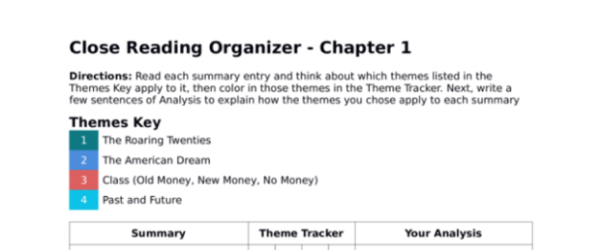
Close Reading Organizers |

|
Character Analysis Organizers |

|
Symbol Analysis Organizers |

|
Theme Analysis Organizers |

|
Quote Analysis Organizers |
Common Core-aligned