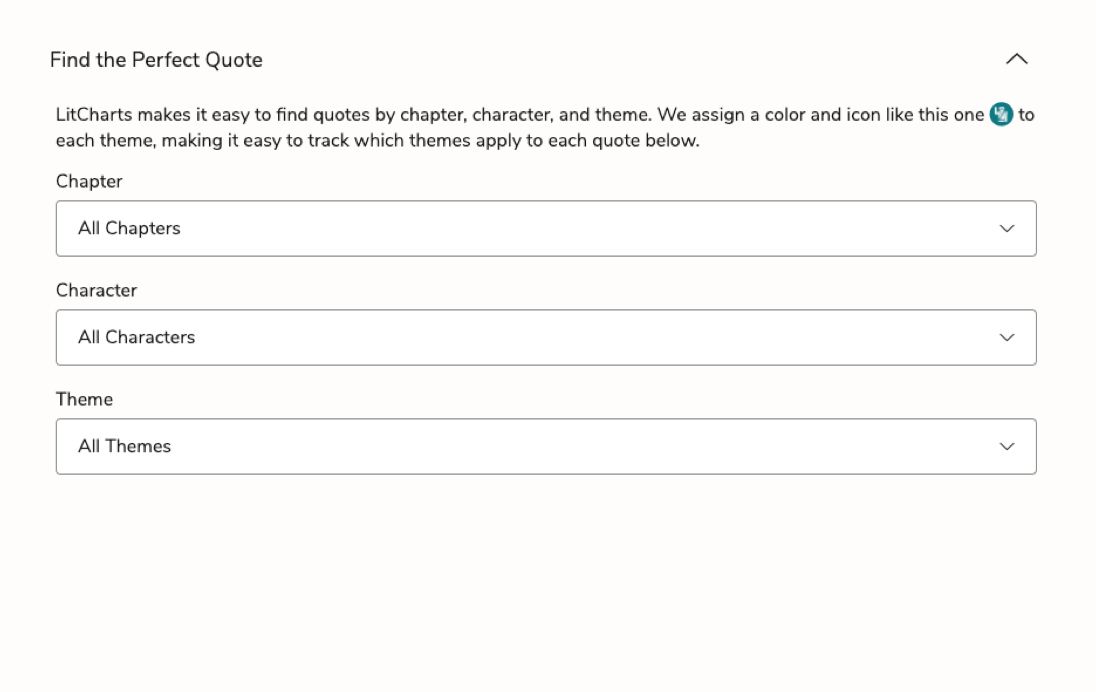
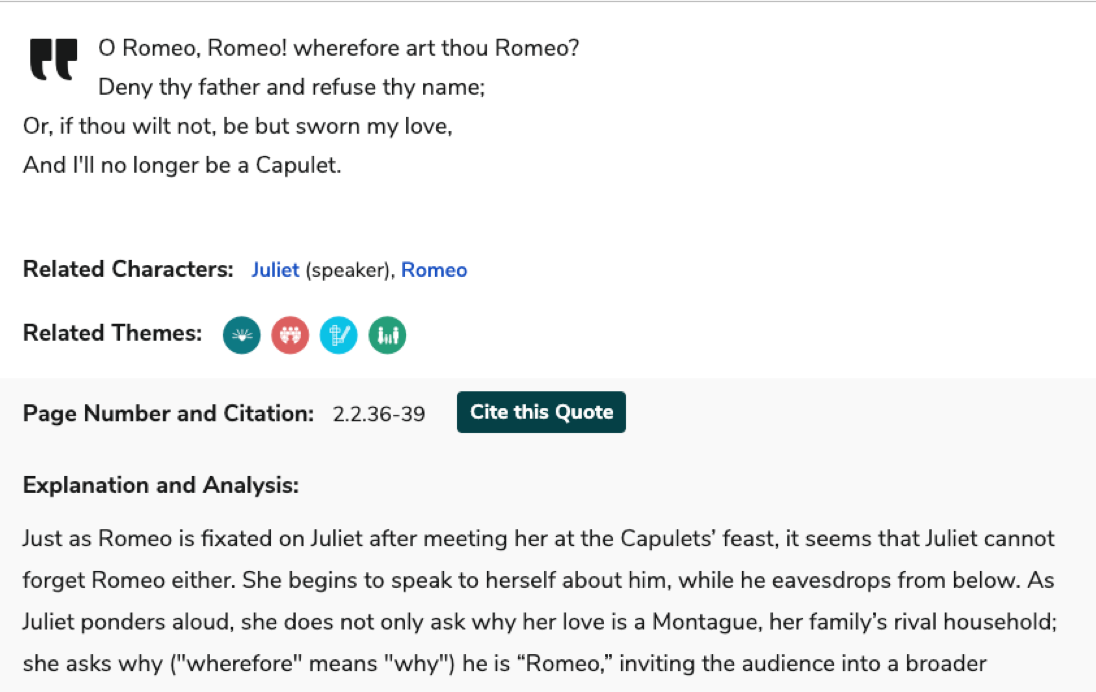
Find the perfect quote
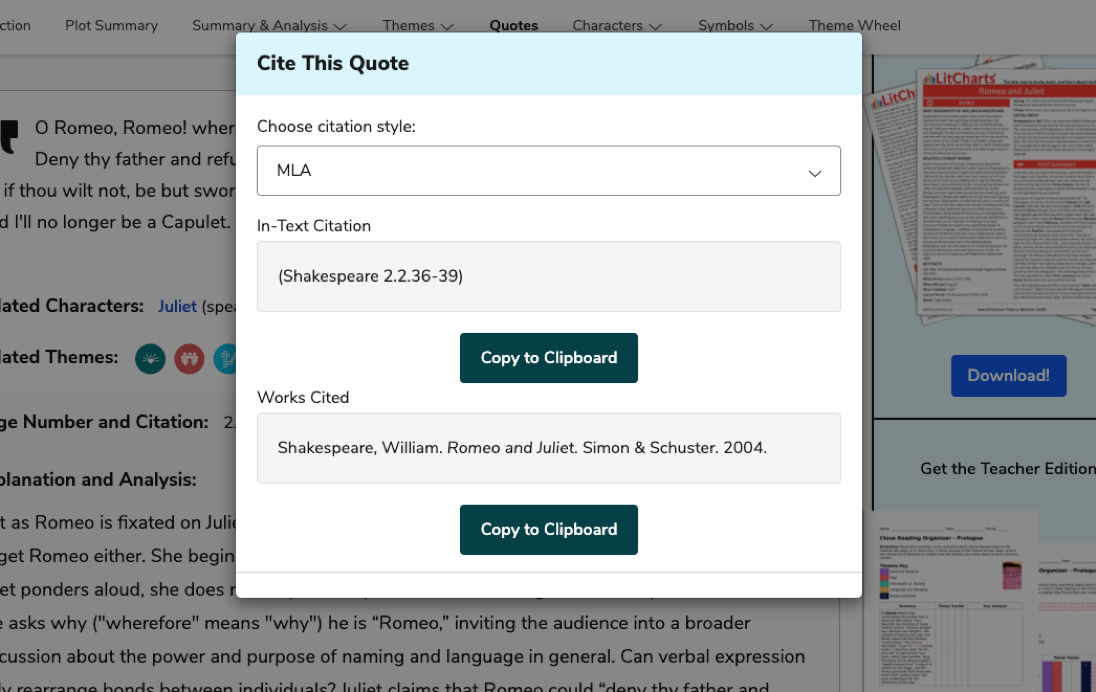
Then understand it perfectly. And get the citation, too. For all 35,000+ quotes we cover.

|
Have questions?
Contact us
Already a member? Sign in
|
Throughout Leviathan, Hobbes critiques the Catholic belief in transubstantiation, or the transformation during mass of bread and wine into the literal body and blood of Jesus Christ. He harshly satirizes Catholic priests for continuing to affirm and teach this doctrine, accusing them of idolatry and satirically suggesting that they could worship other foods:
And yet in this daily act of the Priest, they doe the very same, by turning the holy words into the manner of a Charme, which produceth nothing new to the Sense; but they face us down, that it hath turned the Bread into a Man; nay more, into a God; and require men to worship it, as if it were our Saviour himself present God and Man [...] For if it bee enough to excuse it of Idolatry, to say it is no more Bread, but God; why should not the same excuse serve the Egyptians, in case they had the faces to say, the Leeks, and Onyons they worshipped, were not very Leeks, and Onyons, but a Divinity under their species, or likenesse.
Every day, Hobbes writes, priests use “holy words” from the Bible in the manner of a magician, claiming to have turned bread not merely into a man, but “nay more, into a God.” He then accuses the priests of worshiping the bread as if it were God himself, which would be an example of idolatry. Hobbes then satirically imagines other foods, such as “Leeks, and Onyons,” as objects of worship, underscoring what he considers to be the absurdity of the doctrine of transubstantiation.



 Teacher









|
Close Reading Organizers |

|
Character Analysis Organizers |

|
Symbol Analysis Organizers |

|
Theme Analysis Organizers |

|
Quote Analysis Organizers |
Common Core-aligned