Find the perfect quote
Then understand it perfectly. And get the citation, too. For all 35,000+ quotes we cover.

|
Have questions?
Contact us
Already a member? Sign in
|
Hobbes engages in pointed satire while critiquing those who read the words of the Bible in an overly literal fashion. Discussing a line in the Book of Genesis (“God inspired into man the breath of life,”) Hobbes writes:
On the signification of the word Spirit, dependeth that of the word INSPIRATION; which must either be taken properly; and then it is nothing but the blowing into a man some thin and subtile aire, or wind, in such manner as a man filleth a bladder with his breath; or if Spirits be not corporeall, but have their existence only in the fancy, it is nothing but the blowing in of a Phantasme; which is improper to say, and impossible; for Phantasmes are not, but only seem to be somewhat.
Hobbes insists that we must interpret much of the Bible as a metaphor, especially when the Bible describes things that do not seem to exist in the world, such as spirits. Using the line from the Book of Genesis (quoted above) as an example, he satirizes those who would read the phrase “breath of life” literally as “some thin and subtle aire or wind.” Here, Hobbes invokes a humorous simile: God blowing air into a man’s throat “as a man filleth a bladder with his breath.” This farcical image is hardly an appropriate way to conceive of God and the miracle of life, and Hobbes uses it to satirize what he understands as a common way of misreading the Bible.




 Teacher












|
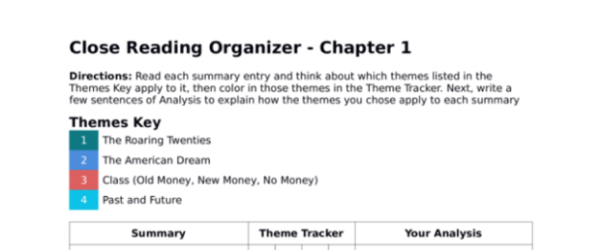
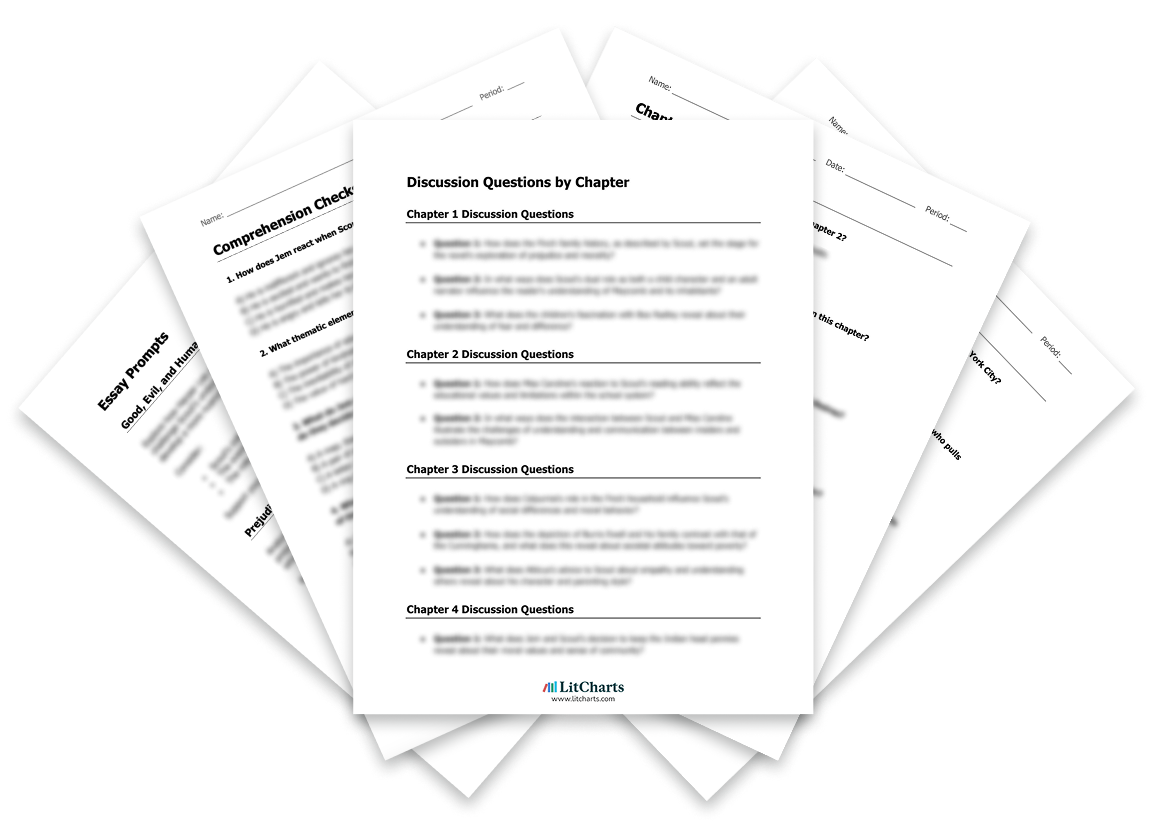
Close Reading Organizers |

|
Character Analysis Organizers |

|
Symbol Analysis Organizers |

|
Theme Analysis Organizers |

|
Quote Analysis Organizers |
Common Core-aligned