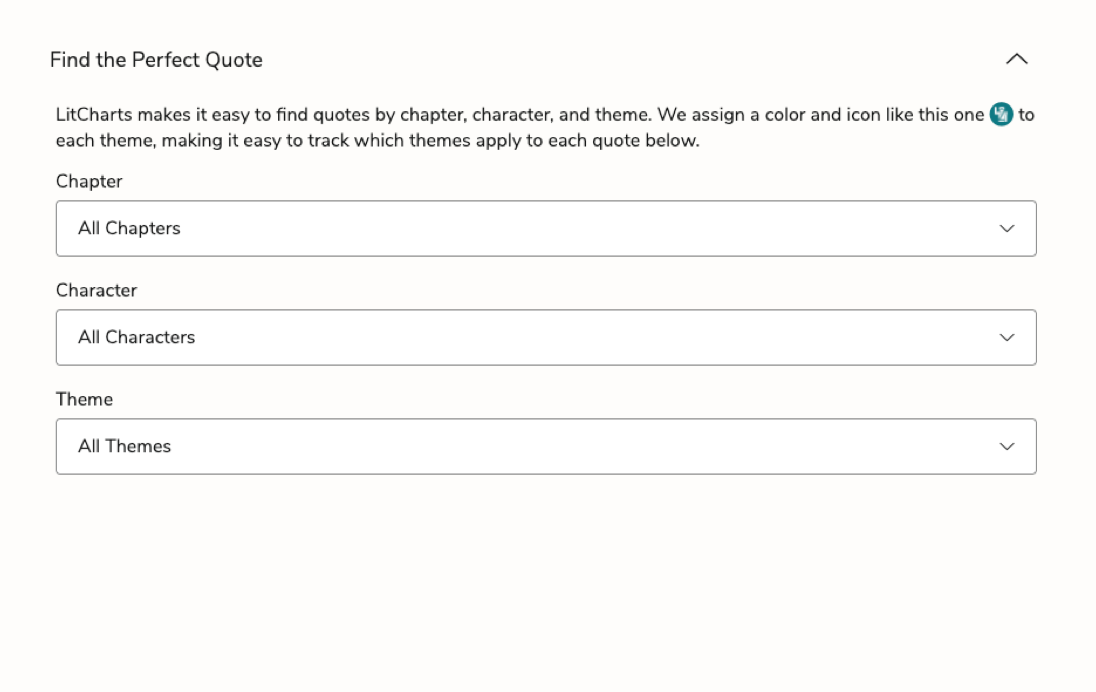
Find the perfect quote
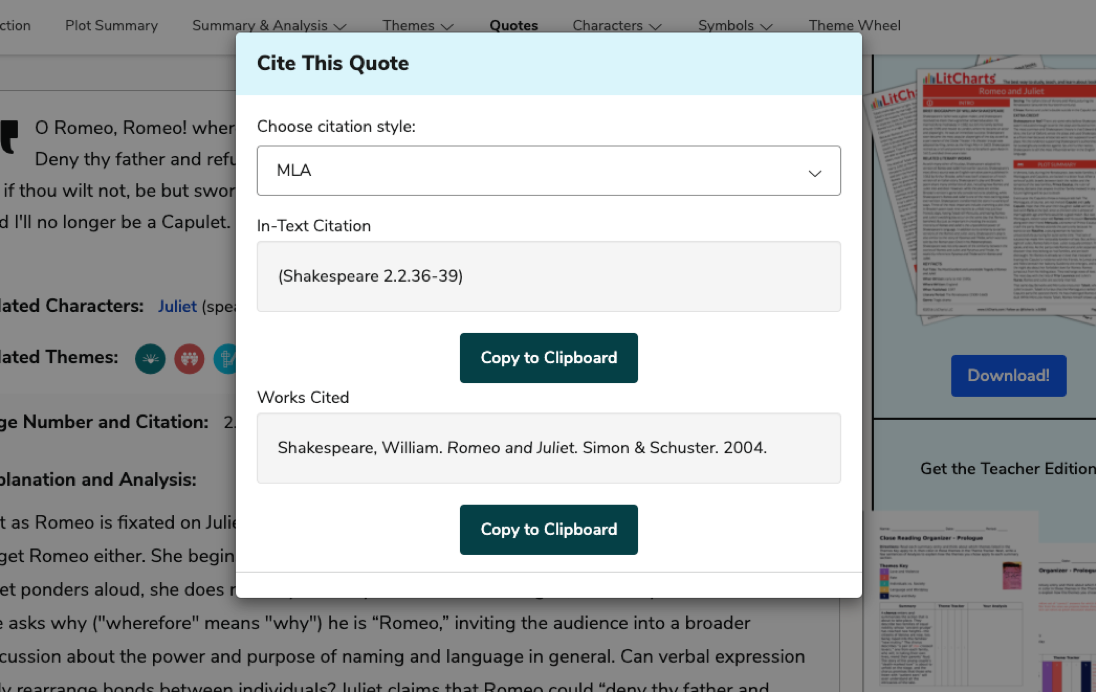
Then understand it perfectly. And get the citation, too. For all 35,000+ quotes we cover.

|
Have questions?
Contact us
Already a member? Sign in
|
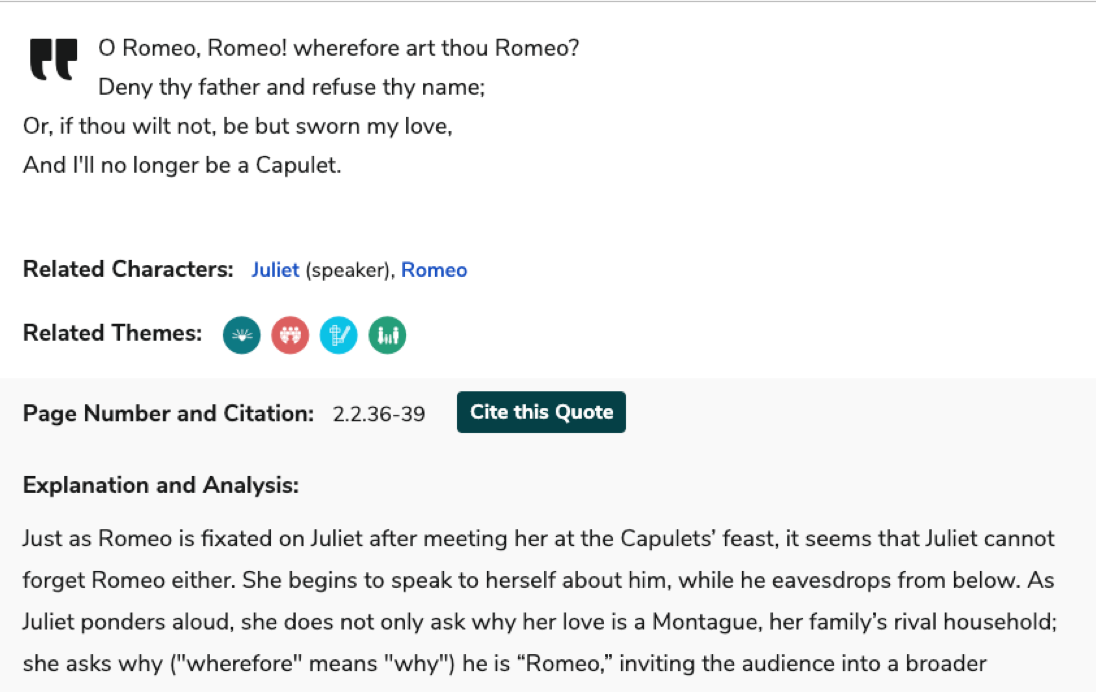
In Chapter 1, Whitechapel describes the way Chapel is returned in chains using a simile comparing Chapel to an animal:
For here before me was my son in chains, led and dragged in turn like a wild beast of the forest from which he had been plucked. My son, whose dreams were such that he argued his children would be free.
Chapel was caught after Whitechapel reveals Chapel's location to Mr. Whitechapel. The simile compares the chained-up Chapel to a "wild beast." This simile emphasizes how Chapel is treated as an enslaved person; namely, as if he was not human. However, the fact that Chapel is compared to a "beast of the forest from which he had been plucked" conveys the extent to which a desire for freedom is part of Chapel. Like a wild animal, being free is a fundamental to who he is, and he does not belong in chains.
Unlike Whitechapel, Chapel dreams of freedom constantly, as the sentence following the simile illustrates. The fact that Chapel is not Whitechapel's biological son—and is instead the product of Sanders Senior's rape of Whitechapel's soon-to-be wife—provides necessary context to Chapel's desire for freedom. And yet, many of the enslaved people in the novel have a strong desire for freedom, regardless of who their parents are. Regardless, the simile underscores Chapel's natural desire for freedom.


 Teacher











|
Close Reading Organizers |

|
Character Analysis Organizers |

|
Symbol Analysis Organizers |

|
Theme Analysis Organizers |

|
Quote Analysis Organizers |
Common Core-aligned