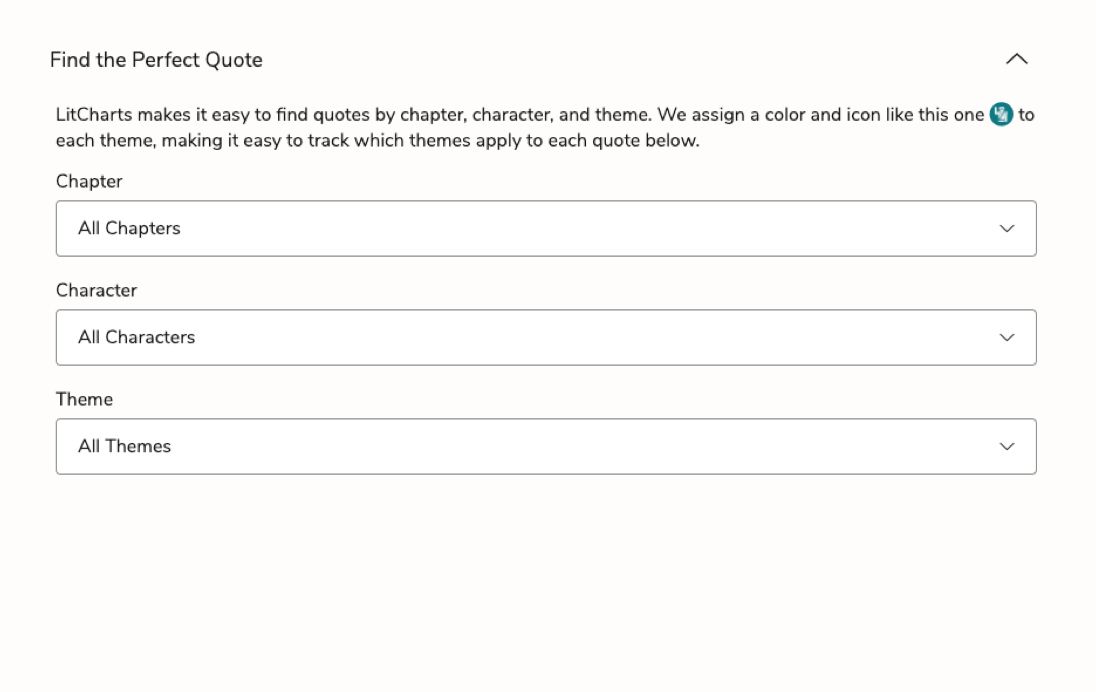
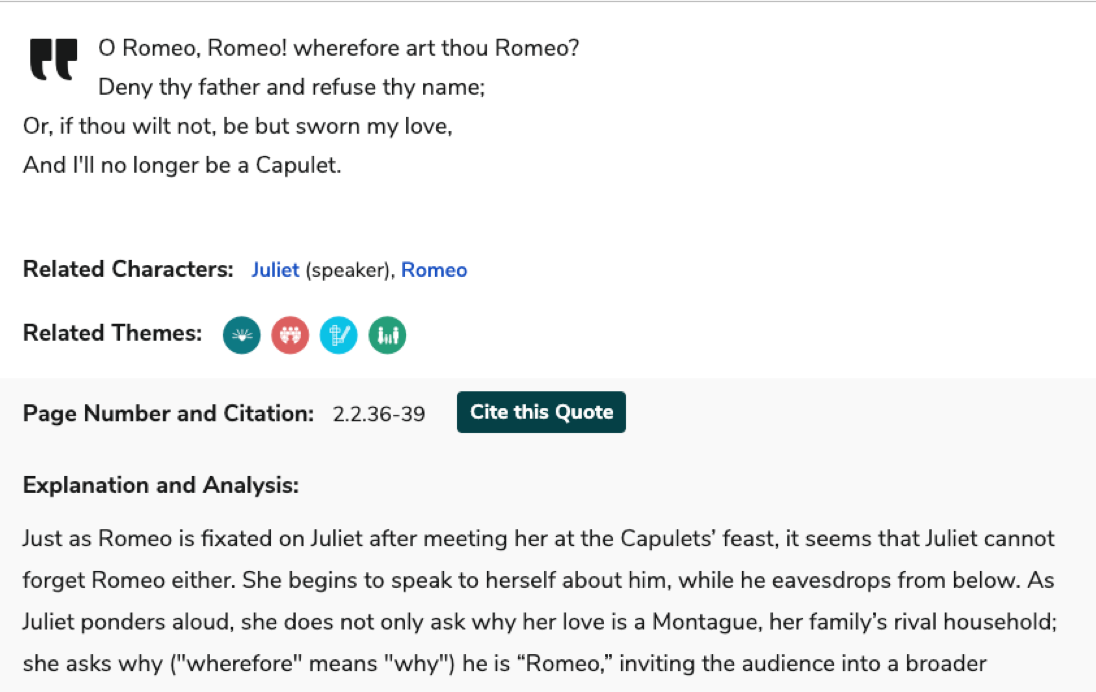
Find the perfect quote
Then understand it perfectly. And get the citation, too. For all 35,000+ quotes we cover.

|
Have questions?
Contact us
Already a member? Sign in
|
In Chapter 17, Jack runs into a colleague from the College while at the hardware store. Jack isn't wearing his glasses, which he usually only wears while at work, and in response the colleague calls his new look "harmless." Jack interprets this as a hurtful jab, and to make himself feel better, he takes himself and his family out shopping. He spends exuberantly, which he describes using a poetic simile:
The more money I spent, the less important it seemed. I was bigger than these sums. These sums poured off my skin like so much rain. These sums in fact came back to me in the form of existential credit. I felt expansive, inclined to be sweepingly generous, and told the kids to pick out their Christmas gifts here and now.
As Jack describes, the costs of the various purchases "poured off my skin like so much rain." To Jack in this moment, the act of exchanging currency for consumer goods feels calming and cleansing. In fact, he feels like he becomes a better person as he gains "existential credit" from his spending. He also feels as if he grows larger than life and becomes "expansive." This passage shows how, in the novel, the personal and the commercial are entirely intertwined. Spending money is Jack's best way to calm himself, his best way to feel like a better man, and his best way to show love to his family. In the novel, participation in commerce becomes a natural and unavoidable part of existing in the world as a human being—as natural as the feeling of being caught in the rain.


 Teacher









|
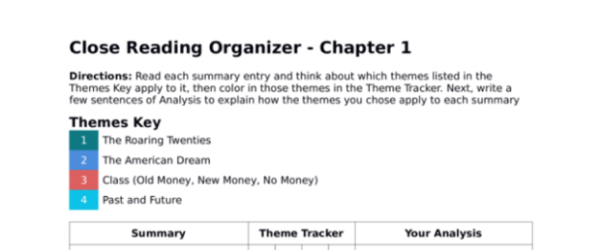
Close Reading Organizers |

|
Character Analysis Organizers |

|
Symbol Analysis Organizers |

|
Theme Analysis Organizers |

|
Quote Analysis Organizers |
Common Core-aligned