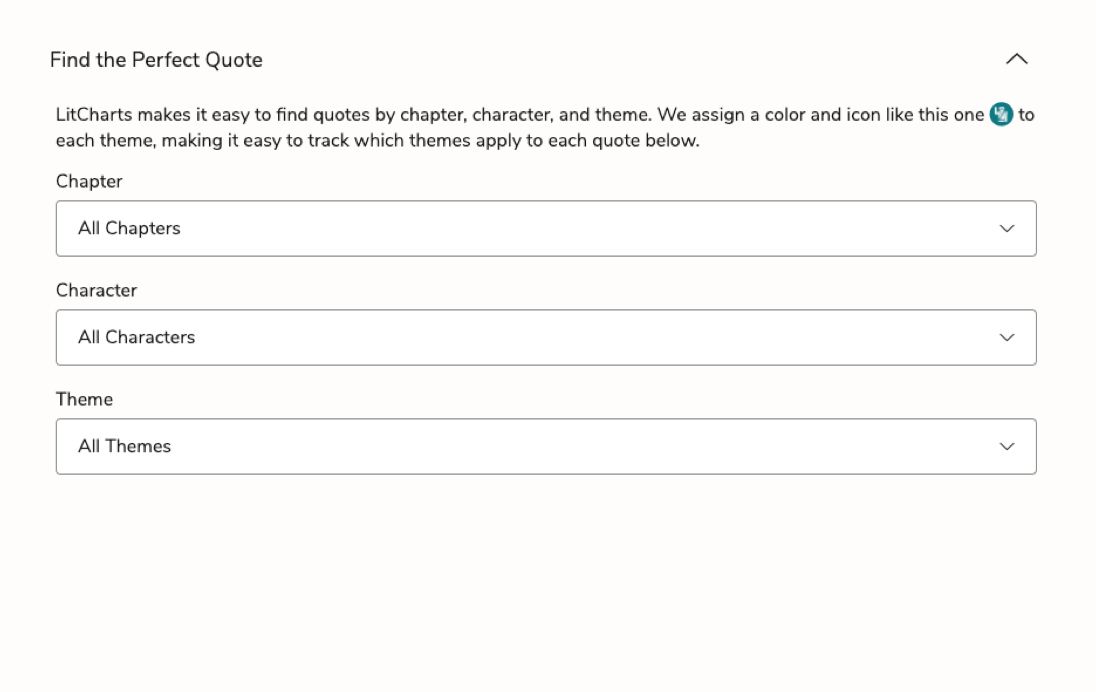
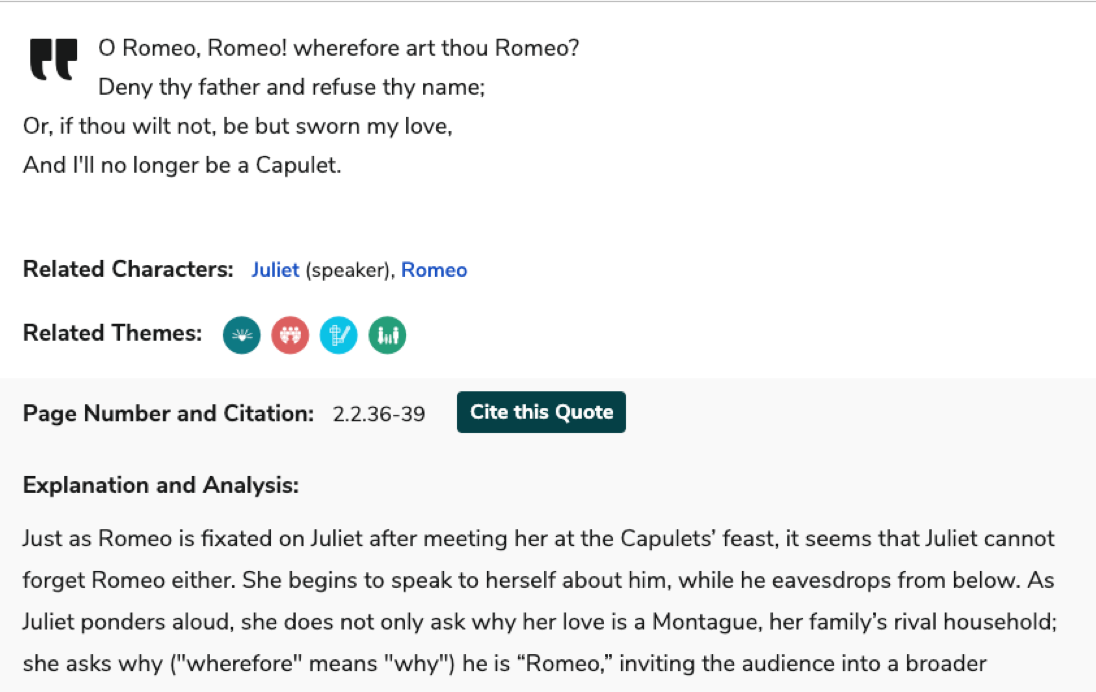
Find the perfect quote
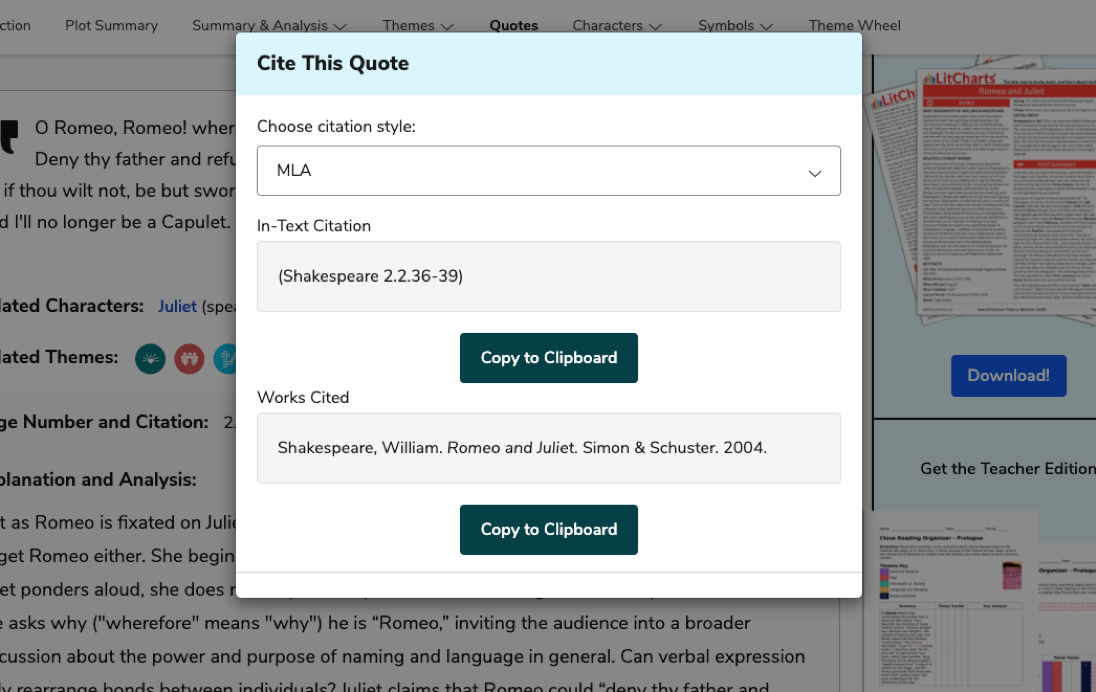
Then understand it perfectly. And get the citation, too. For all 35,000+ quotes we cover.

|
Have questions?
Contact us
Already a member? Sign in
|
In Chapter 20, Murray questions Jack on the small amounts of wasted movement and time in his daily activities, like making coffee. Murray thinks that Jack can "save tremendous amounts of time and energy” by living more efficiently. Jack wonders what he should be saving that time for; Murray offers that he can use that time to live longer. But Jack realizes in this moment that he does not want to live longer because he doesn't want to ever live without Babette: "Given a choice between loneliness and death, it would take me a fraction of a second to decide." After this realization, Jack wastes time on purpose to contradict Murray. He watches the coffee maker slowly drip and admires its engineering, describing it using a simile about philosophy:
I watched the coffee bubble up through the center tube and perforated basket into the small pale globe. A marvelous and sad invention, so roundabout, ingenious, human. It was like a philosophical argument rendered in terms of the things of the world—water, metal, brown beans. I had never looked at coffee before.
The coffee percolates through the elaborate mechanisms, "so roundabout, ingenious, human." He compares its construction to "a philosophical argument rendered in terms of the things of the world." In other words, Jack says that the machine is designed with a simple, step-by-step logic. But the argument, he says, is made of "the things of the world," drawing attention to the delicate and precise interaction of highly different materials needed for a coffee maker to work. "Water, metal, brown beans" work together in such concord that together they form what seems to be a logical argument. Jack intentionally wastes time in watching the coffee slowly bubble, against Murray's recommendations, but in doing so he feels great awe in the human capacity to find elaborate solutions for efficiency and ease. Jack usually obsesses over consumer goods and gadgets, which strongly affects how he sees the world. But here he sees the objects around him more clearly, operating in a delicate harmony, "marvelous and sad," deeply human.



 Teacher










|
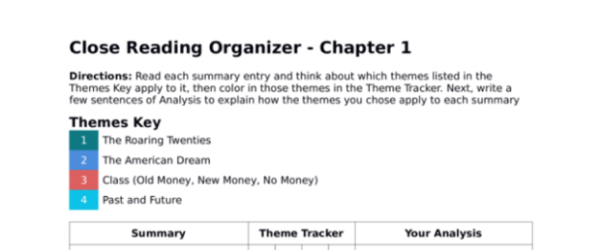
Close Reading Organizers |

|
Character Analysis Organizers |

|
Symbol Analysis Organizers |

|
Theme Analysis Organizers |

|
Quote Analysis Organizers |
Common Core-aligned