Find the perfect quote
Then understand it perfectly. And get the citation, too. For all 35,000+ quotes we cover.

|
Have questions?
Contact us
Already a member? Sign in
|
In Chapter 22, Naomi observes the aftermath of a chicken’s slaughter with a heightened, almost frozen attention, using a simile as she does so:
The boys ignore me. I wait, attending the chicken’s quivering, the plump body pulsing and beating like a disembodied heart. As long as the moving continues I wait.
The simile—comparing the chicken’s “plump body pulsing and beating like a disembodied heart”—captures both the fragility and visceral vitality of the dying animal. A heart evokes the core of life itself, and by likening the chicken’s quivering to a living organ suddenly unmoored from its body, the passage renders death intimate and immediate. The image distills the moment of slaughter into a raw, unsettling emblem of mortality, pulling the reader into Naomi’s quiet, arrested gaze.
This figurative comparison slows time, forcing both the narrator and the reader to confront the chicken’s final movements with a sense of suspended inevitability. The focus on the animal’s vulnerable body emphasizes helpless anticipation, reflecting the narrator’s own passive position as she waits for the quivering to cease.
The simile also mirrors the novel’s larger themes of trauma and lost innocence. Naomi’s perception is at once childlike and profound—she does not rationalize or distance herself from the act, but instead transforms the experience into a symbolic vision of exposed life, stripped of protection or comfort. The disembodied heart resonates as a small, visceral metaphor for fragility in a world of displacement and quiet violence, capturing the emotional undercurrents of Obasan’s meditative, haunting tone.





 Teacher













|
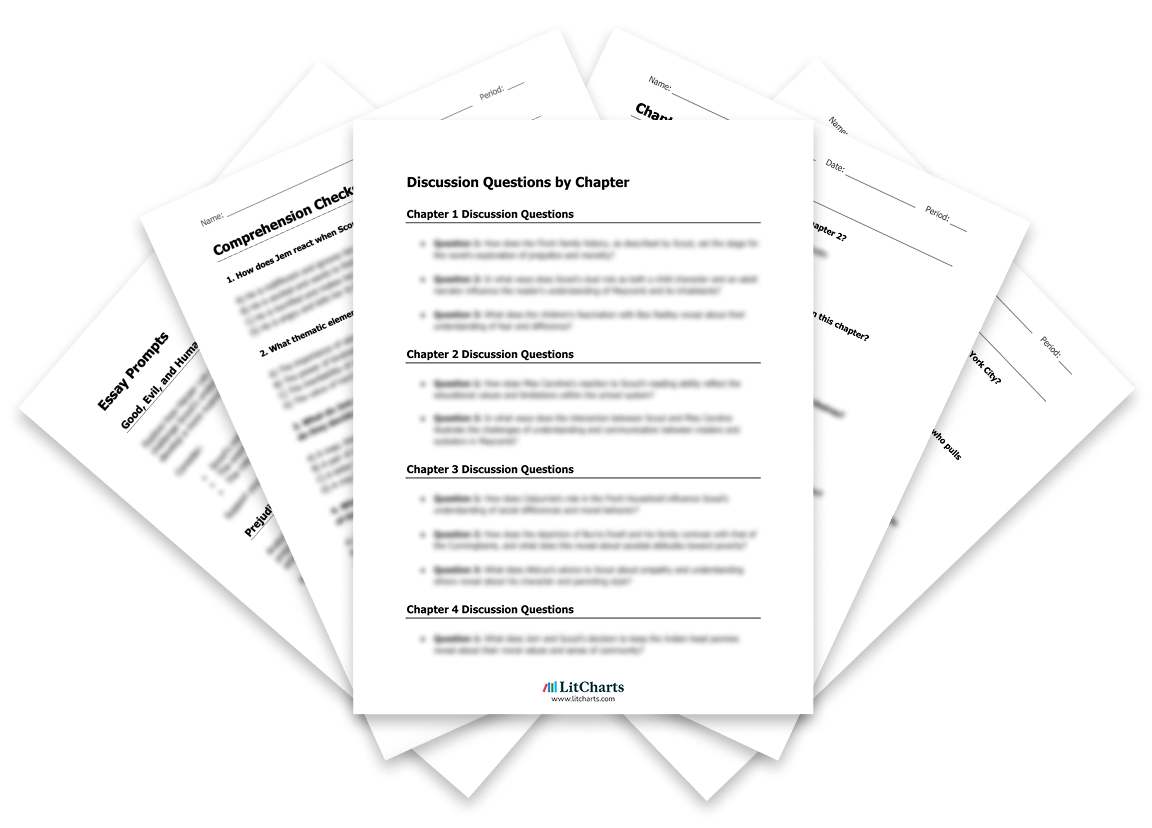
Close Reading Organizers |

|
Character Analysis Organizers |

|
Symbol Analysis Organizers |

|
Theme Analysis Organizers |

|
Quote Analysis Organizers |
Common Core-aligned