Find the perfect quote
Then understand it perfectly. And get the citation, too. For all 35,000+ quotes we cover.

|
Have questions?
Contact us
Already a member? Sign in
|
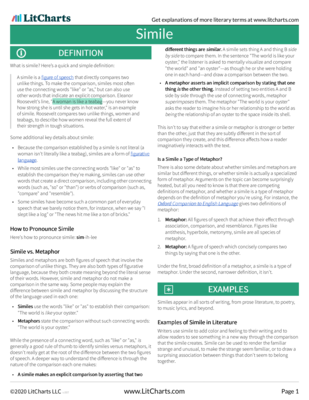
In Chapter 3, as Caravaggio watches over the resting English patient, Caravaggio recalls his own time spent in Egypt during the war. Trained as both a soldier and as a spy, Caravaggio is tasked with crafting false narratives to confuse enemies—a practice that eventually fills him with hopelessness and confusion. To illustrate the constant presence of deception amongst those directly involved in the war, Ondaatje utilizes a simile comparing Caravaggio to a lost explorer:
Just as some in Cairo he worked for invented whole platoons in the desert. He had lived through a time of war when everything offered up to those around him was a lie. He had felt like a man in the darkness of a room imitating the calls of a bird.
Not knowing when the war would heighten, dissolve, or end, Caravaggio experienced levels of disillusionment and even deception because “everything offered up to those around him was a lie.” As a spy, Caravaggio contributed to these cultures of deception through his duties to "invent double agents or phantoms who would take on flesh." Caught up in a storm of disorientation and falsehoods, Caravaggio feels akin to a lost man searching for signs of life. The simile in the passage above powerfully demonstrates Caravaggio's sense of disorientation during his stretch as a soldier in Egypt. Like the man in the simile, he searches for the truth, signs of life, anything—but comes up empty-handed, as everything around him becomes convoluted with lies. Ondaatje's figurative language does not reveal whether Caravaggio is aware of his false hope or following it blindly. Rather, it exposes the manipulative nature of war and conflict and its negative effects on the human spirit.


 Teacher









|
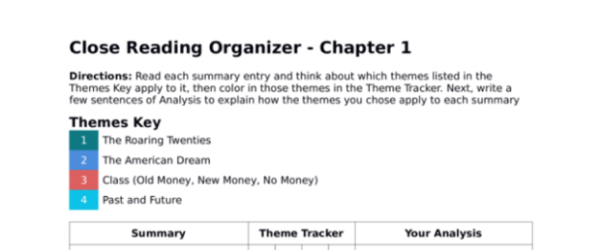
Close Reading Organizers |

|
Character Analysis Organizers |

|
Symbol Analysis Organizers |

|
Theme Analysis Organizers |

|
Quote Analysis Organizers |
Common Core-aligned