Find the perfect quote
Then understand it perfectly. And get the citation, too. For all 35,000+ quotes we cover.

|
Have questions?
Contact us
Already a member? Sign in
|
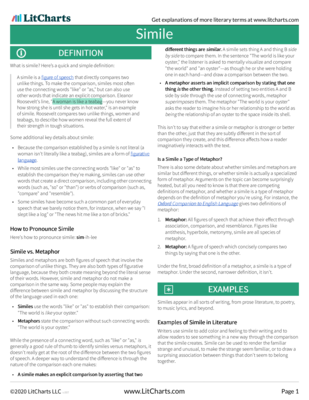
In the first third of the book, Erdrich repeats the same simile twice within 20 pages to accentuate the power of humor and gesture toward the presence of singularly Chippewa knowledge. The first instance of the simile occurs after Mr. Vold reviews Thomas's time card from the night before, when he stepped outside to see an owl:
"It means that Thomas the Muskrat went out to smoke a cigar. He sometimes will smoke a Snowy Owl brand. I'd say he got locked out, had to get back in through a window. Or he could have gone right through the wall, like a mist."
LaBatte walked off, laughing. Vold and Doris began laughing too.
"Very funny! Walked through the wall like a mist. Typical Indian joke right there!"
LaBatte uses the phrase "like a mist" to poke fun at Vold. But readers know LaBatte is also a highly superstitious man, which prompts them to wonder if he is truly joking. The suspicion that he may be serious is raised again in the second instance of this simile, which occurs about 20 pages later during one of Thomas's night shifts:
"What else do you want? Us living on the edge of a handkerchief? Done. Dying out as quickly as possible. Done. Dying out with agreeable smiles. Check. Brave smiles. Check. Pledged to your flag. Check. Check. Check. Done."
Falon flashed into the room in his olive greatcoat. Then strode through the wall like a mist.
Here, the tone of the simile is more serious. Though it applies to one of Thomas's visions (this time of his brother Falon, who died in the military), Erdrich suggests that it might actually be possible to walk through a wall "like a mist."
Erdrich's repeated use of this simile blurs the line between myths, jokes, and reality to expose that some kinds of Native knowledge should remain obscure to outsiders. Vold is unable to discern whether he is the subject of a "typical Indian joke" or whether he is being told the truth. Readers find themselves in a similar situation, unable to be certain whether the simile describes a myth or a reality. Ultimately, though, the ambiguity worked into Erdrich's language is the point: it's in this uncertainty that readers come closest to the kind of spiritual knowledge these similes suggest.






 Teacher

















|
Close Reading Organizers |

|
Character Analysis Organizers |

|
Symbol Analysis Organizers |

|
Theme Analysis Organizers |

|
Quote Analysis Organizers |
Common Core-aligned