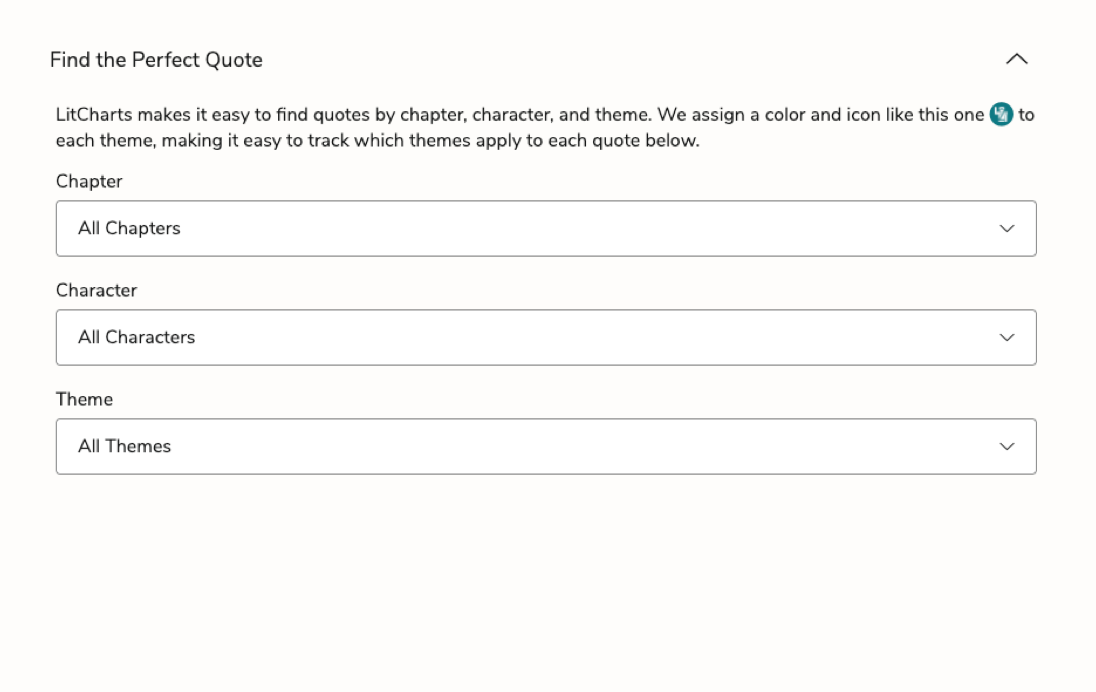
Find the perfect quote
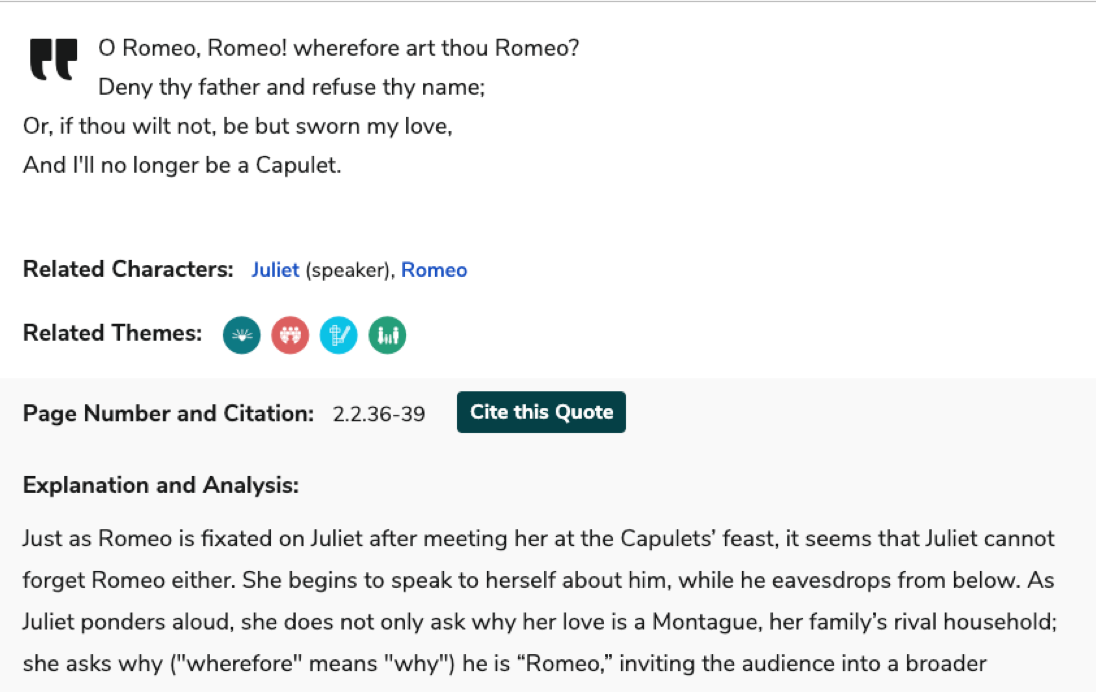
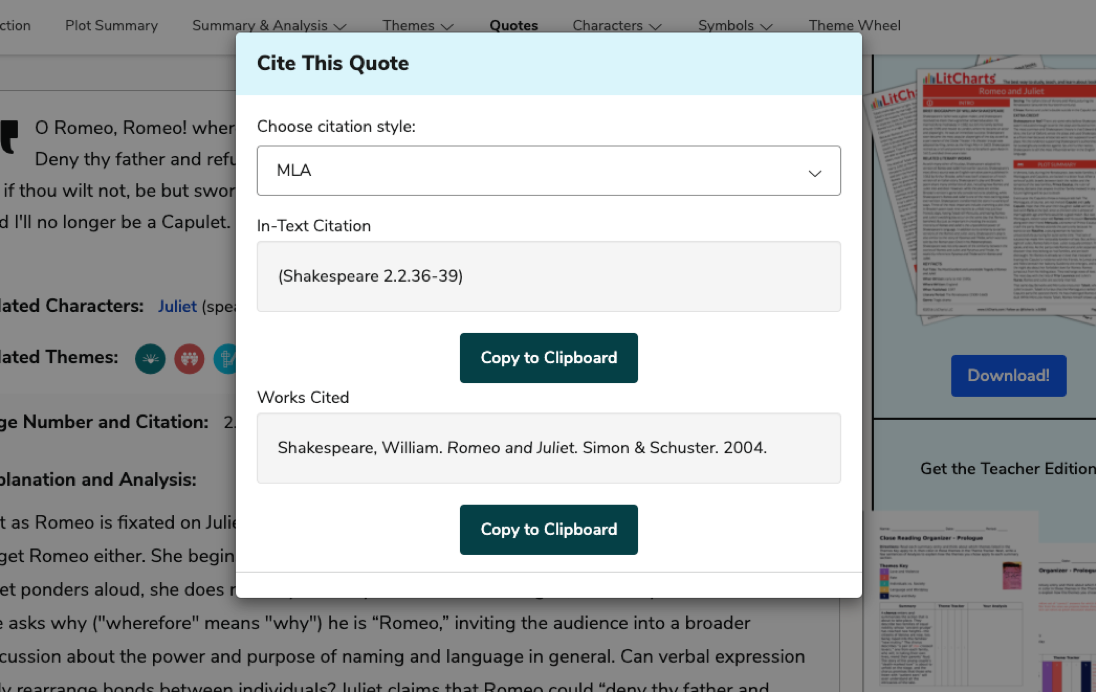
Then understand it perfectly. And get the citation, too. For all 35,000+ quotes we cover.

|
Have questions?
Contact us
Already a member? Sign in
|
About halfway through the novel, the onset of winter causes Thomas's father Biboon to ponder the passage of time. Erdrich writes:
As animals subject to the laws of earth, we think time is experience. But time is more a substance, like air, only of course not air. It is in fact a holy element.
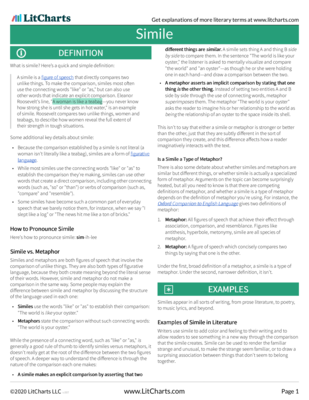
This passage contains an unusual simile. Erdrich first compares time to air; but then explains that time is "of course not air." She uses a simile, then explains it to be figurative. Usually, similes rely on an understanding between writer and reader that the two objects being compared are in fact different; it's their difference that makes the comparison worthwhile. In this instance, though, Erdrich (or Biboon) seems to think that such an understanding is too risky, and that the simile must be explained. To Biboon, time is "holy"; to compare it to air without clarifying that the two are actually very different would risk misrepresenting the true nature of time.
Erdrich and her character Biboon share a general awareness of the powers and risks of language and writing. This simile, first written and then explained, serves as proof that written representation matters—whether for an abstract but "holy" substance like time or for something as concrete as Chippewa sovereignty.



 Teacher













|
Close Reading Organizers |

|
Character Analysis Organizers |

|
Symbol Analysis Organizers |

|
Theme Analysis Organizers |

|
Quote Analysis Organizers |
Common Core-aligned