Find the perfect quote
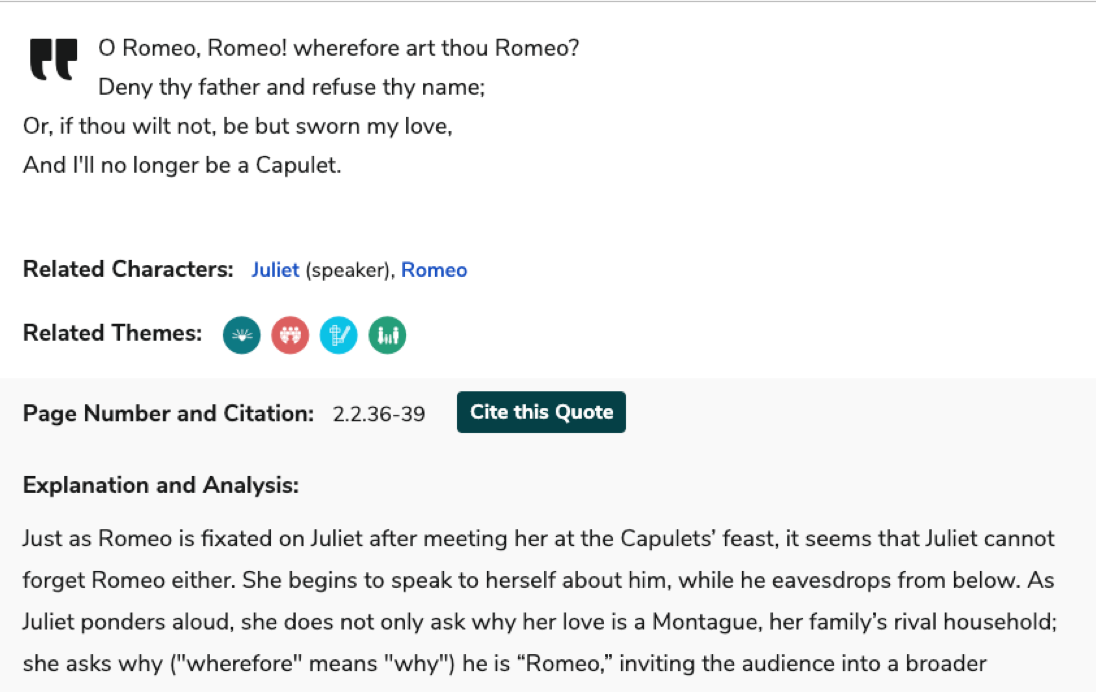
Then understand it perfectly. And get the citation, too. For all 35,000+ quotes we cover.

|
Have questions?
Contact us
Already a member? Sign in
|
In the closing chapters of The Count of Monte Cristo, the Count attempts to wrap up the many, many loose ends he has accumulated over his decades-long quest for revenge. There's no question that the Count thinks quite highly of his grand plan against those who wronged him in his previous life as Dantès, all those years ago. In Chapter 112, as he reveals the depth of his ambitions to Mercédès, he uses a dramatic simile to convey this sense of grandeur:
From then on, that fortune seemed to me a holy vocation; from then on, there was not one further thought in me for that life, the sweetness of which you, poor woman, have sometimes partaken. Not an hour of calm, not a single hour. I felt myself driven like a cloud of flame through the sky to destroy the cities of the plain.
The Count feels himself to have been, at the height of his quest for justice, like a violent fireball descending toward the cities of the plain. Besides showing the self-destructive nature of the Count's quest that he only begins to appreciate by the end of the novel, this is a likely allusion to the themes of fire and vengeance that pervade the story of the Trojan war as told in Homer's Iliad—in particular recalling Book 21 of the poem, when Hephaestus scorches the legendary plain of the Trojan battlefield with his divine fire and aids the Greek war effort to destroy the city of Troy.
Throughout The Count of Monte Cristo, Dumas makes a concerted effort to raise the gravitas of his plot through dramatic literary devices and frequent invocations of the narratives of classical epic and European literature alike. The Count's subtle allusion to Homer's poetry and comparison of himself to an embodiment of violent, divine wrath vividly associates the drama of Dumas's historical world with the fantastical imagery of Greek myth and reminds the reader—at the very same moment as the Count is coming to this realization himself—that he's too caught up in his own story for his own good.




 Teacher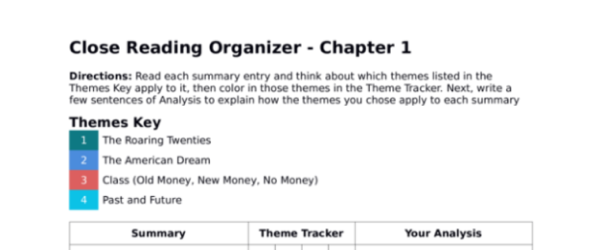












|
Close Reading Organizers |

|
Character Analysis Organizers |

|
Symbol Analysis Organizers |

|
Theme Analysis Organizers |

|
Quote Analysis Organizers |
Common Core-aligned