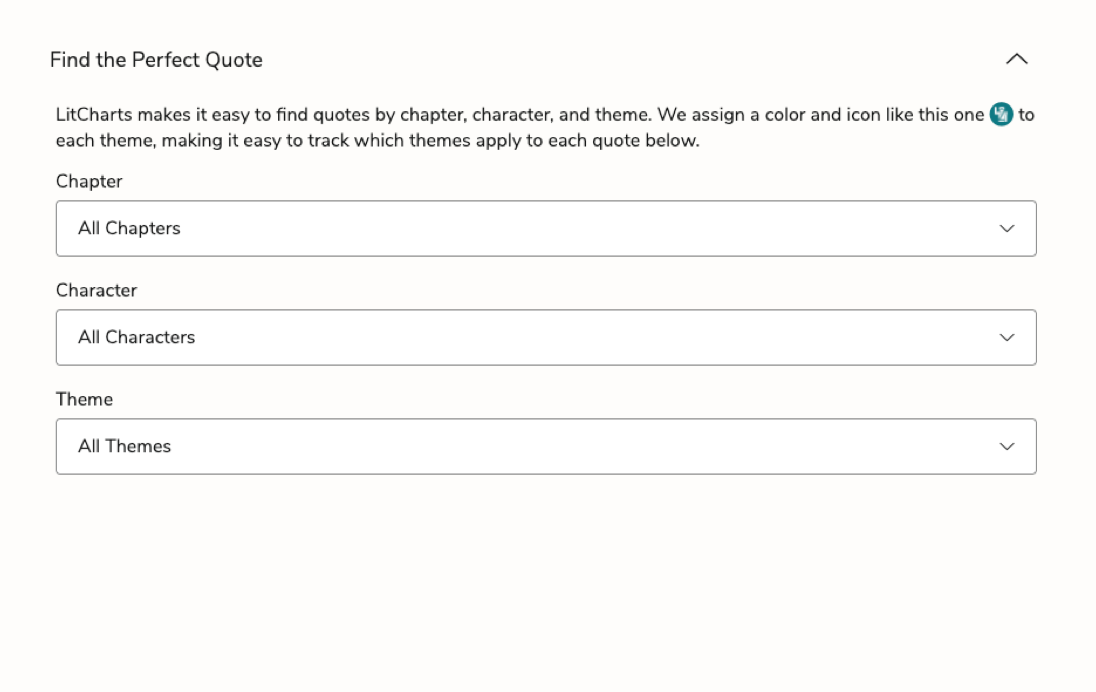
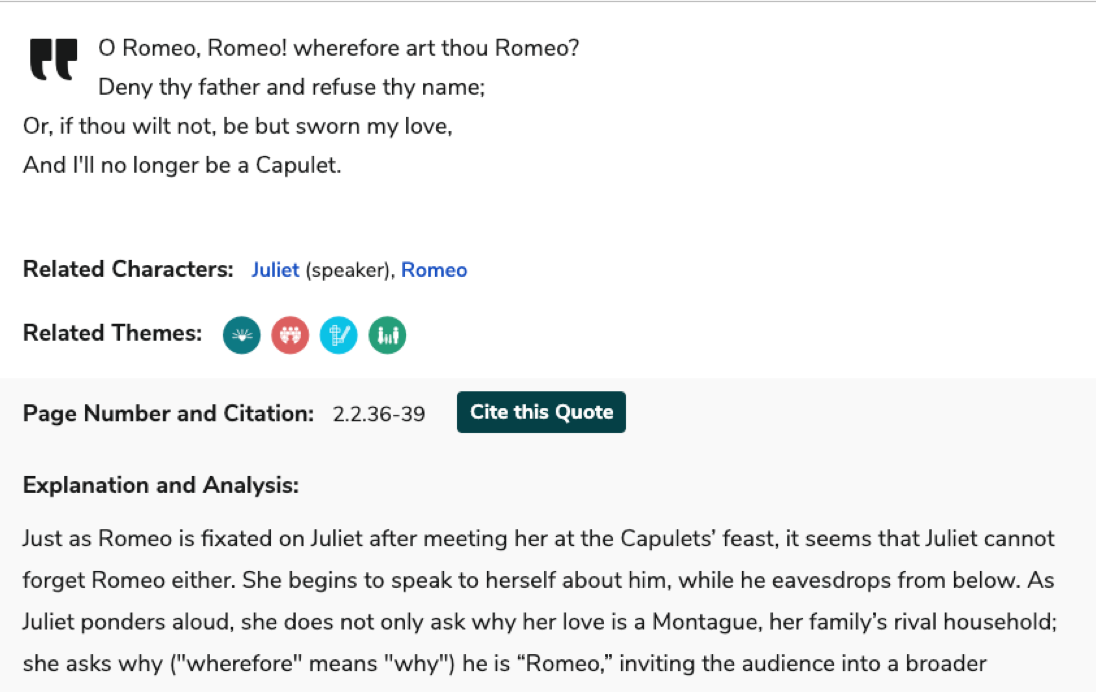
Find the perfect quote
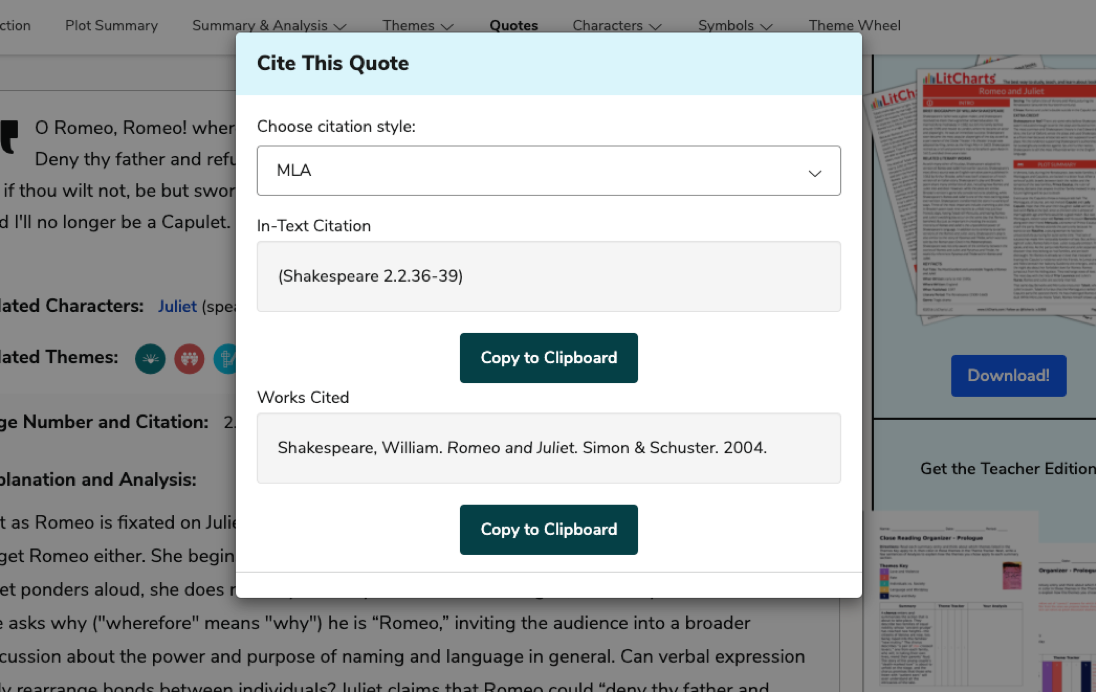
Then understand it perfectly. And get the citation, too. For all 35,000+ quotes we cover.

|
Have questions?
Contact us
Already a member? Sign in
|
When Hermione asks Polixenes in Act 1, Scene 2 about his childhood friendship with Leontes, Polixenes responds with a wistful description:
We were twinned lambs that did frisk i’ th’ sun
And bleat the one at th’ other. What we changed
Was innocence for innocence.
His simile comparing the two children to "twinned lambs" is significant because it connotes harmony, even unity, between Leontes and Polixenes that has now been lost.
Indeed, the play begins in Act 1, Scene 1 with Camillo's description of the two monarchs' geographical estrangement, though their relationship remains cordial:
Since their more mature dignities and royal necessities made separation of their society, their encounters, though not personal, hath been royally attorneyed with interchange of gifts, letters, loving embassies...
Moreover, Polixenes's image of the lamb not only connotes Christian innocence, but also gains greater significance in light of the prominence of sheep and shepherding in the play. It is the realm of shepherds and shepherdesses in the pastoral scene in Act 4 that ultimately allows for healing, rebirth, and the reconciliation of both Leontes's and Polixenes's families. Therefore, the pastoral gives Leontes and Polixenes a means of returning to the lamb-like innocence of their shared childhood despite the passage of time. Polixenes's simile thus contributes to the play's examination of whether childhood innocence can ever be regained.


 Teacher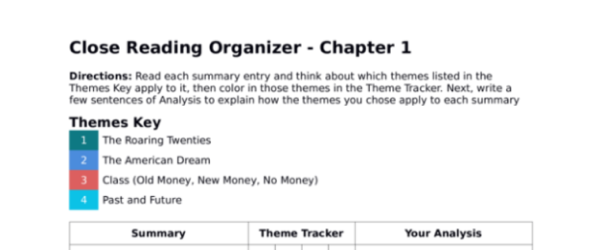












|
Close Reading Organizers |

|
Character Analysis Organizers |

|
Symbol Analysis Organizers |

|
Theme Analysis Organizers |

|
Quote Analysis Organizers |
Common Core-aligned