Find the perfect quote
Then understand it perfectly. And get the citation, too. For all 35,000+ quotes we cover.

|
Have questions?
Contact us
Already a member? Sign in
|
Arguing for the supremacy over the sovereign over any citizen of a state, including the wealthy, Hobbes uses a metaphor that compares a King to a fountain from which “Honour” flows.
And as the Power, so also the Honour of the Soveraign, ought to be greater, than that of any, or all the Subjects. For in the Soveraignty is the fountain of Honour. The dignities of Lord, Earle, Duke, and Prince are his Creatures. As in the presence of the Master, the Servants are equall, and without any honour at all; So are the Subjects, in the presence of the Soveraign. And though they shine some more, some lesse, when they are out of his sight; yet in his presence, they shine no more than the Starres in presence of the Sun.
Here, Hobbes does not limit himself to an argument in favor of monarchy, but rather, argues that the monarch should be “greater” in all power than any of his subjects. “In the Soveraignty,” he writes, “is the fountain of Honour.” Hobbes’s metaphor imagines the King as a fountain from which all honor and greatness flows. As the King is the source of all honors, his honor must be the greatest, and even lesser nobles, such as “Lorde, Earle, Duke, and Prince” merely receive their “dignities” from the King.




 Teacher










|
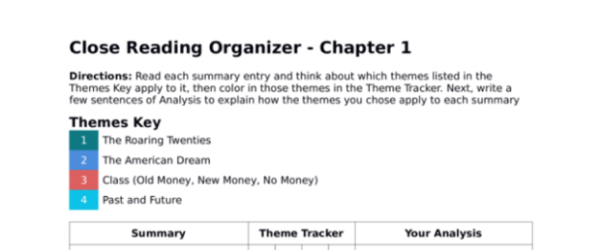
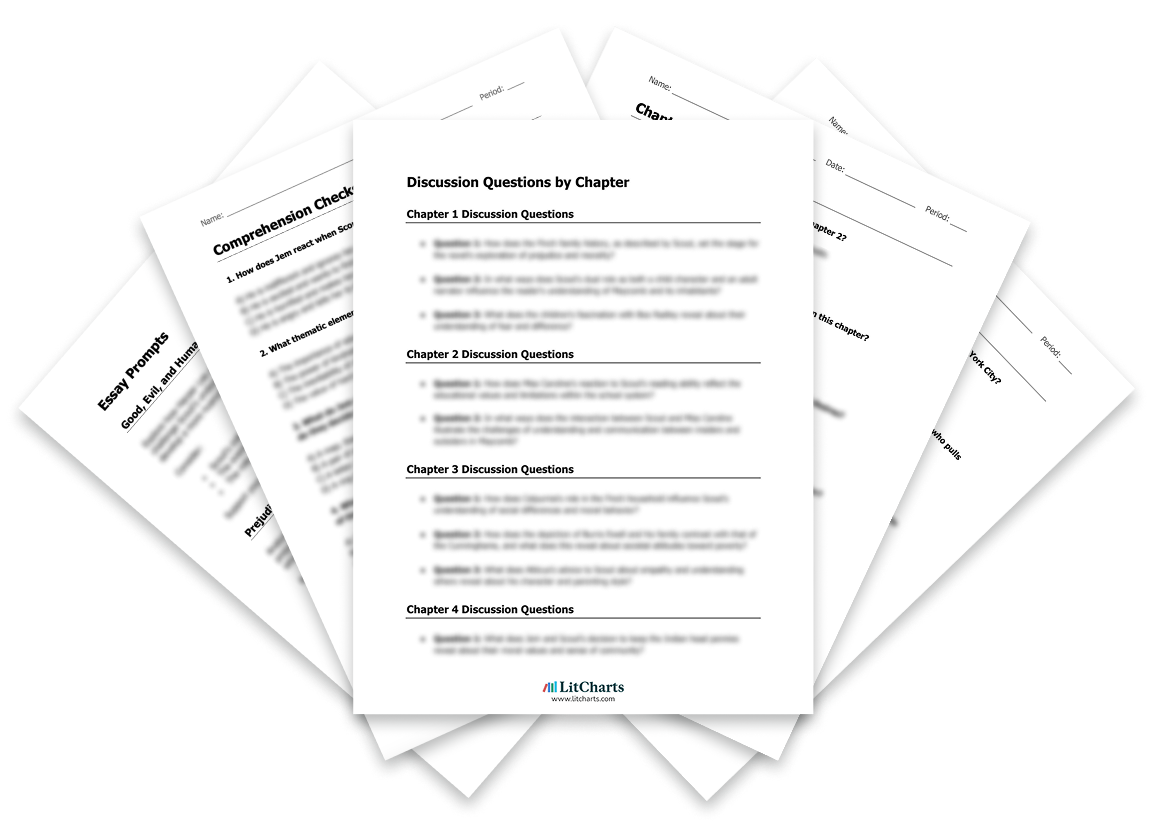
Close Reading Organizers |

|
Character Analysis Organizers |

|
Symbol Analysis Organizers |

|
Theme Analysis Organizers |

|
Quote Analysis Organizers |
Common Core-aligned