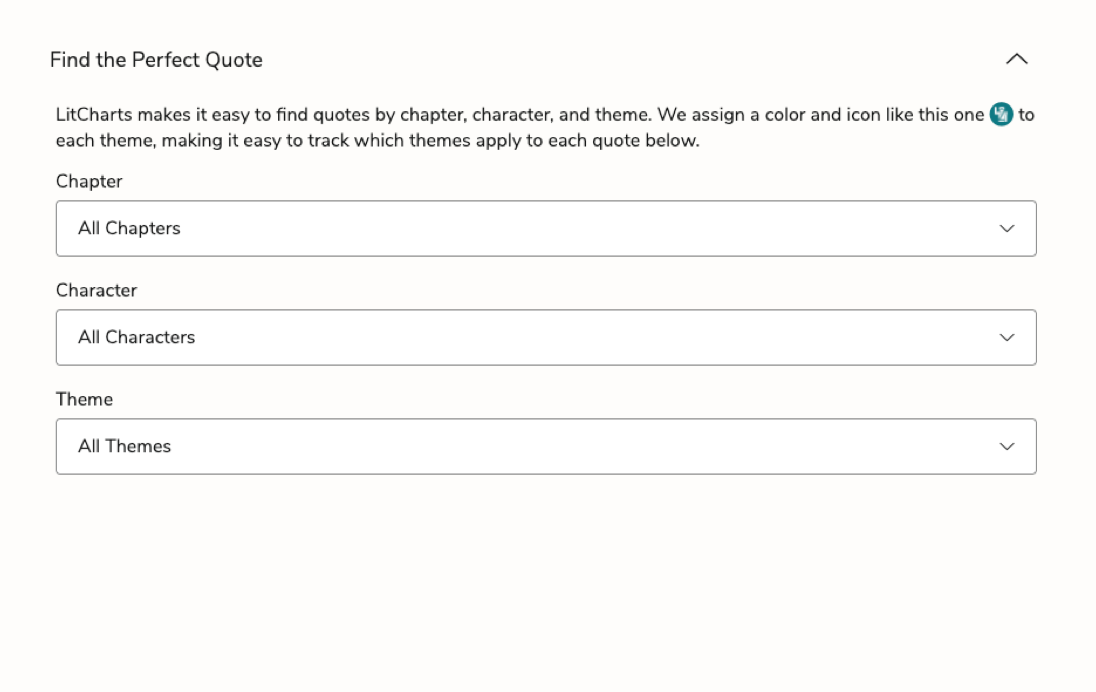
Find the perfect quote
Then understand it perfectly. And get the citation, too. For all 35,000+ quotes we cover.

|
Have questions?
Contact us
Already a member? Sign in
|
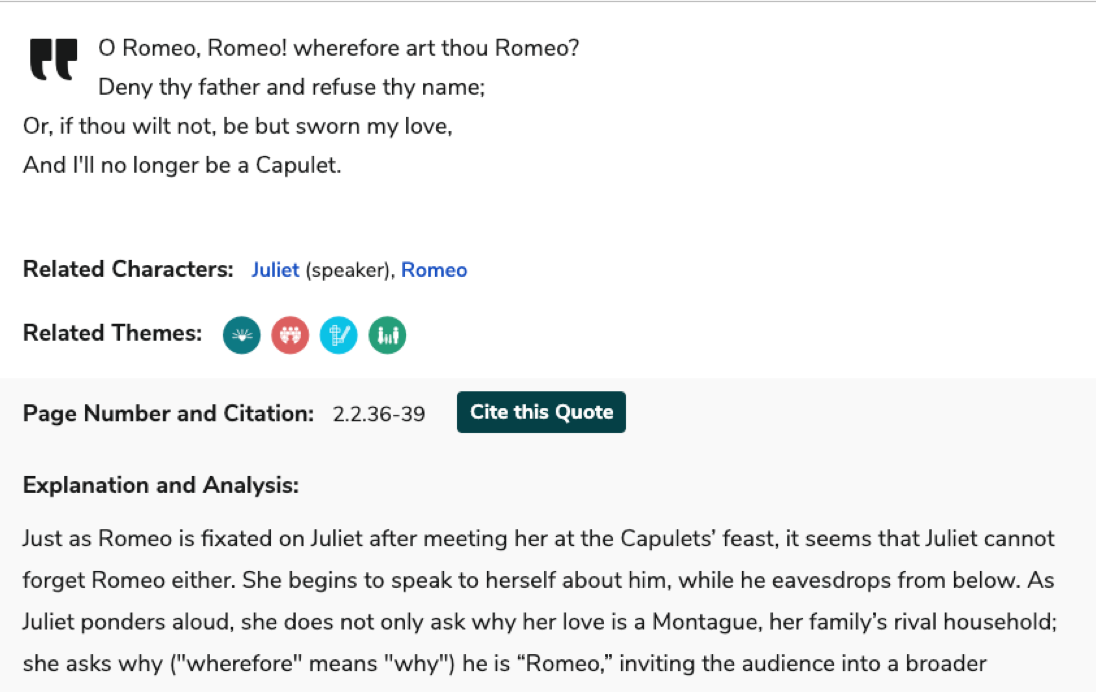
In his first major soliloquy in the play, Prince Hal explains his plan to stage an impressive comeback in court after his rebellious and wayward adolescence. Comparing himself in a vivid simile to "bright metal on a sullen ground," the young Prince states:
So when this loose behavior I throw off
And pay the debt I never promisèd,
By how much better than my word I am,
By so much shall I falsify men’s hopes;
And, like bright metal on a sullen ground,
My reformation, glitt’ring o’er my fault,
Shall show more goodly and attract more eyes
Than that which hath no foil to set it off.
I’ll so offend to make offense a skill,
Redeeming time when men think least I will.
Until this point in the play, the audience has had little reason to doubt King Henry’s characterization of his son as a good-for-nothing hooligan. However, in this soliloquy, Hal demonstrates a cool, rational intellect, as well as a penchant for manipulation. He states that he plans to “throw off” the “loose behavior” that he has previously exhibited in order to emphasize “how much better” he is than his poor reputation.
Just as “bright metal” catches the eye more readily when it sits upon “sullen ground,” Hal" plans to “attract more eyes” by first lowering everyone’s expectations, or as he phrases it, by “falsify[ing] men’s hopes.” His keen awareness of his own public image and willingness to manipulate others contribute to the moral ambiguity at the core of Shakespeare’s characterization of the future King Henry V.


 Teacher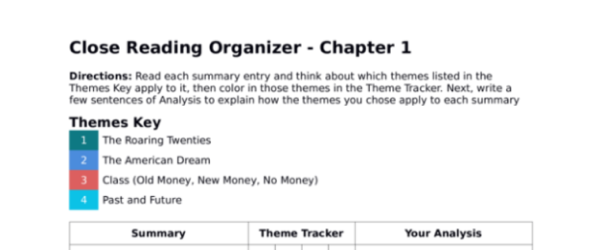













|
Close Reading Organizers |

|
Character Analysis Organizers |

|
Symbol Analysis Organizers |

|
Theme Analysis Organizers |

|
Quote Analysis Organizers |
Common Core-aligned