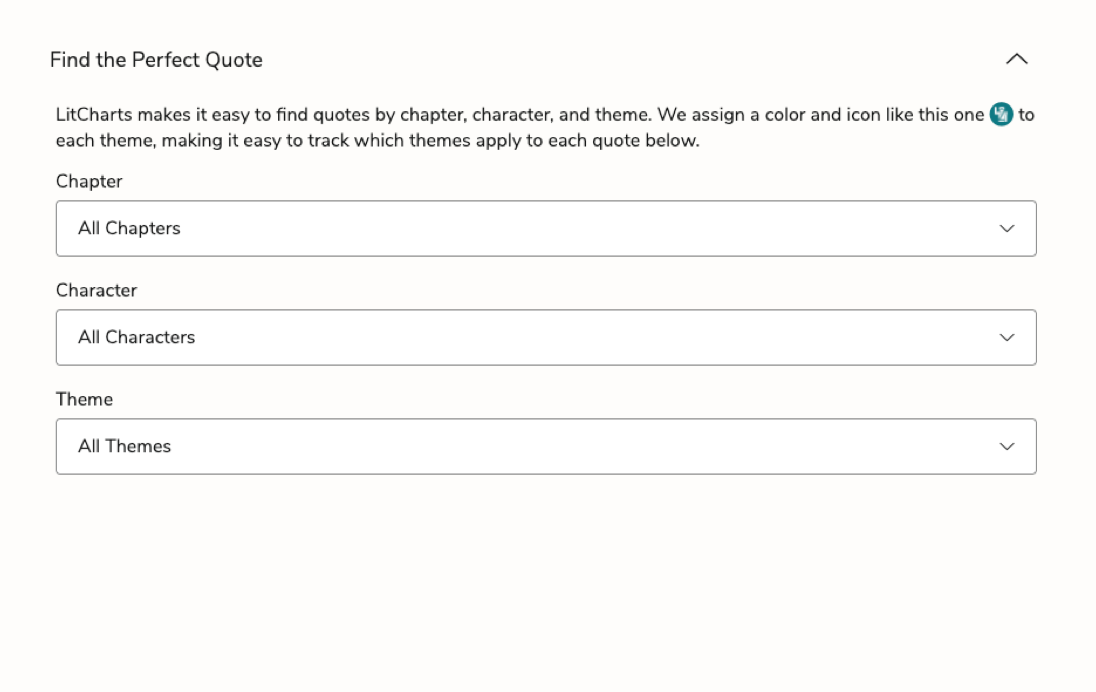
Find the perfect quote
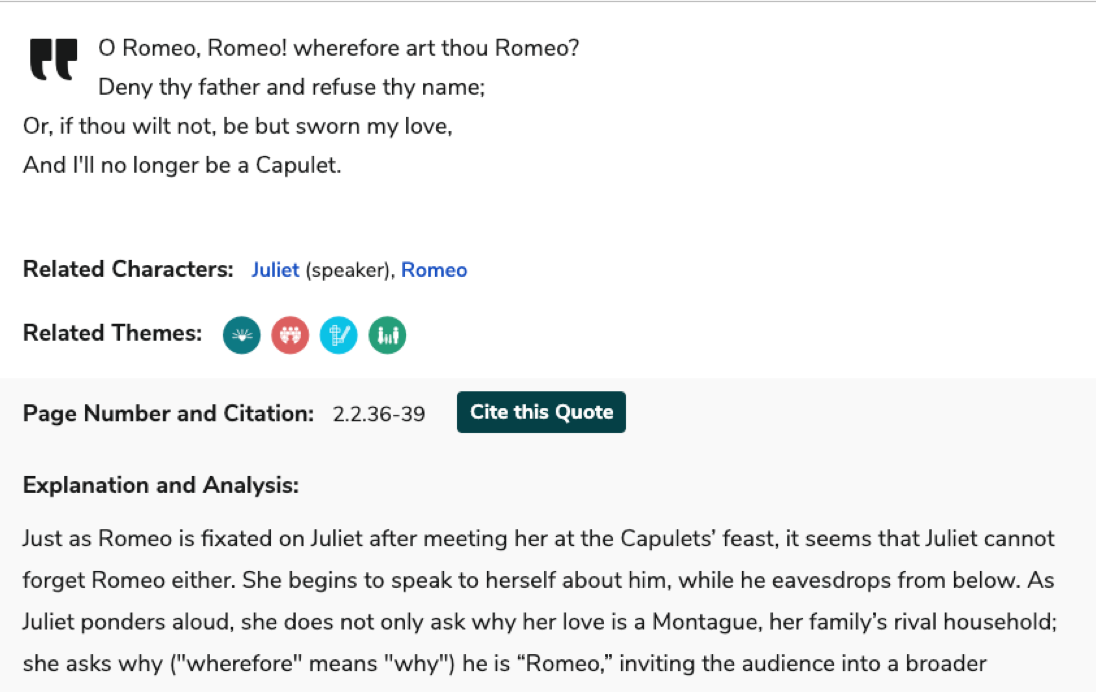
Then understand it perfectly. And get the citation, too. For all 35,000+ quotes we cover.

|
Have questions?
Contact us
Already a member? Sign in
|
In Chapter 11, when the narrator has decided to pass for white, he comments on the humorous dramatic irony of his position. There is also situational irony in the narrator's inability to point out the dramatic irony without ruining it:
The anomaly of my social position often appealed strongly to my sense of humor. I frequently smiled inwardly at some remark not altogether complimentary to people of color; and more than once I felt like declaiming, “I am a colored man. Do I not disprove the theory that one drop of Negro blood renders a man unfit?” Many a night when I returned to my room after an enjoyable evening, I laughed heartily over what struck me as the capital joke I was playing.
The "anomaly" the narrator refers to has to do not only with his status as a Black man passing for white, but also with his economic or "capital" success. By investing in real estate, he gets rich and begins to socialize with elite, rich white people. For the most part, they assume that there are no Black people among them to be offended by their racist and disparaging comments. In fact, the mistaken idea that there are no rich Black people is the basis for their comments to begin with. These people are similar to the former Union soldier the narrator overhears using racist arguments against racist laws. This soldier believes that Black people should be protected under the law, but he still does not want to associate with them. Likewise, the rich white people the narrator surrounds himself with in the North likely support the idea of racial equality but think of themselves as a different class of citizens. On the one hand, it was a bit unusual for Black people to find themselves among the extremely wealthy at this time because the deck was stacked against their economic success. On the other hand, as the narrator notes, his very existence is proof that there is nothing innately superior about rich white people. The narrator finds a delicious sense of moral superiority when he observes these people making a social gaffe by disparaging Black people in front of a Black person. He also finds it funny that he is profiting off the economic system these people think they monopolize.
But there is also situational irony here. The dramatic irony would place the narrator in a position of power over the foolish white people, but he can only laugh at the joke in the privacy of his own room. This irony plays into the overall ambivalence of the novel toward the narrator's choice to pass. He manages to climb the social ladder by presenting himself as white, but there is a question of whether the social ladder itself is worth climbing. In a sense, all he wins is admission into the company of these foolish white people.


 Teacher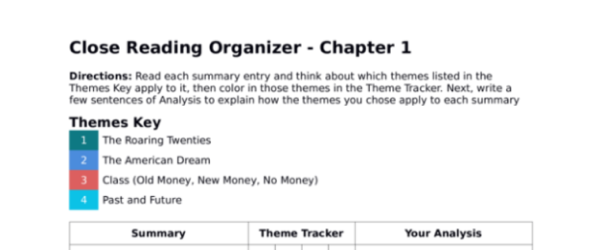













|
Close Reading Organizers |

|
Character Analysis Organizers |

|
Symbol Analysis Organizers |

|
Theme Analysis Organizers |

|
Quote Analysis Organizers |
Common Core-aligned