
|
Have questions?
Contact us
Already a member? Sign in
|
Get every literary device explanation for The Dispossessed
Plus so much more...
Sign up for LitCharts A+
Get instant access to every literary device explanation, plus so much more...
Dramatic Irony
Explanation and Analysis—Tirin's Play:
Shevek's childhood friend Tirin writes a satirical play about an Urrasti who smuggles himself onto Annares and tries to impose a capitalist system on the planet. The play lands Tirin in trouble—audiences interpret it as an immoral work, and the criticism, Shevek speculates, breaks Tirin's spirit. By the time the reader learns of Tirin’s play, they have already witnessed Shevek’s ill-fated attempt to become part of Urrasti society. In the play, the self-styled “Owner of Annares” attempts to practice capitalism in an anarchist society and is met with indifference to humorous results. On Urras, Shevek tries to enlighten the Urrasti to the values of Odonian society, but the response from his upper-class audiences ranges from polite disinterest to willful disagreement.
When Shevek and Takver discuss the possibility of Shevek's journey, he recalls the play to argue for the absurdity of the plan, and the narrative thus employs dramatic irony:
“What a crazy idea! Like Tirin’s play, only backwards. I’m to go subvert the anarchists. . . . Well, it would at least prove to them that Anarres exists. They talk with us on the radio, but I don’t think they really believe in us. In what we are.”
The reader, of course, knows perfectly well what Shevek's future holds.
In the play, the “Owner of Annares” is incapable of copulating with a willing partner, held back by his ideas of propriety and financial compensation. He wants to pay her for the act, and she rejects his payment:
And there was an awfully funny scene where he and this woman want to copulate, and she’s just wide open and ready, but he can’t do it until he’s given her his gold nuggets first, to pay her. And she didn’t want them. That was funny, with her flopping down and waving her legs, and him launching himself onto her, and then he’d leap up like he’d been bitten, saying, ‘I must not! It is not moral! It is not good business!'
This scene in the play resembles, in the inverse, Shevek’s disastrous attempt to copulate with Vea. Shevek is incapable of understanding Vea’s protests (invoking her reputation in high society and her husband’s disapproval) because they hinge on her identity as an Urrasti woman, still a foreign concept to Shevek. He has succumbed to an Urrasti way of thinking and sees Vea as a sexual commodity, but, due to his unfamiliarity with Urrasti sexual norms, he cannot reconcile her flirtations with her resistance and is capable of understanding only the former. Earlier, in an attempt to understand Vea’s conspicuous sexuality, he wonders if she might be a sex worker. Shevek can only comprehend the high degree of sexuality that Vea displays in terms of possession, not just because of Urrasti influence, but also because of his own Annaresti mentality.
The scene in the play is humorous, whereas the scene of the assault is disturbing. Parallels between the play and the scene of the assault help to elucidate the scene’s complexities and many possible levels of analysis. On one level of analysis, Shevek has succumbed to the indulgent, egoistic Urrasti lifestyle and lusts after Vea in an attempt to possess her, seeing her only as an object in the way a typical Urrasti would view women. On another level of analysis, Vea and Shevek’s relationship reveals Shevek’s latent sexism, which is itself a product of Annaresti society. The dramatic irony that results from the reader's understanding of Shevek's future adds tension to the scene and reveals the extent of Shevek's own ignorance about his shortcomings.
Monthly
Annual (Best Value)

$595USD/mo
Charged $71.40 USD every year
Quote explanations & citation info

Every PDF download
Printable PDFs for every guide
"Would not have made it through without the printable PDFs. They're like having in-class notes for every discussion!"
– LitCharts A⁺ user
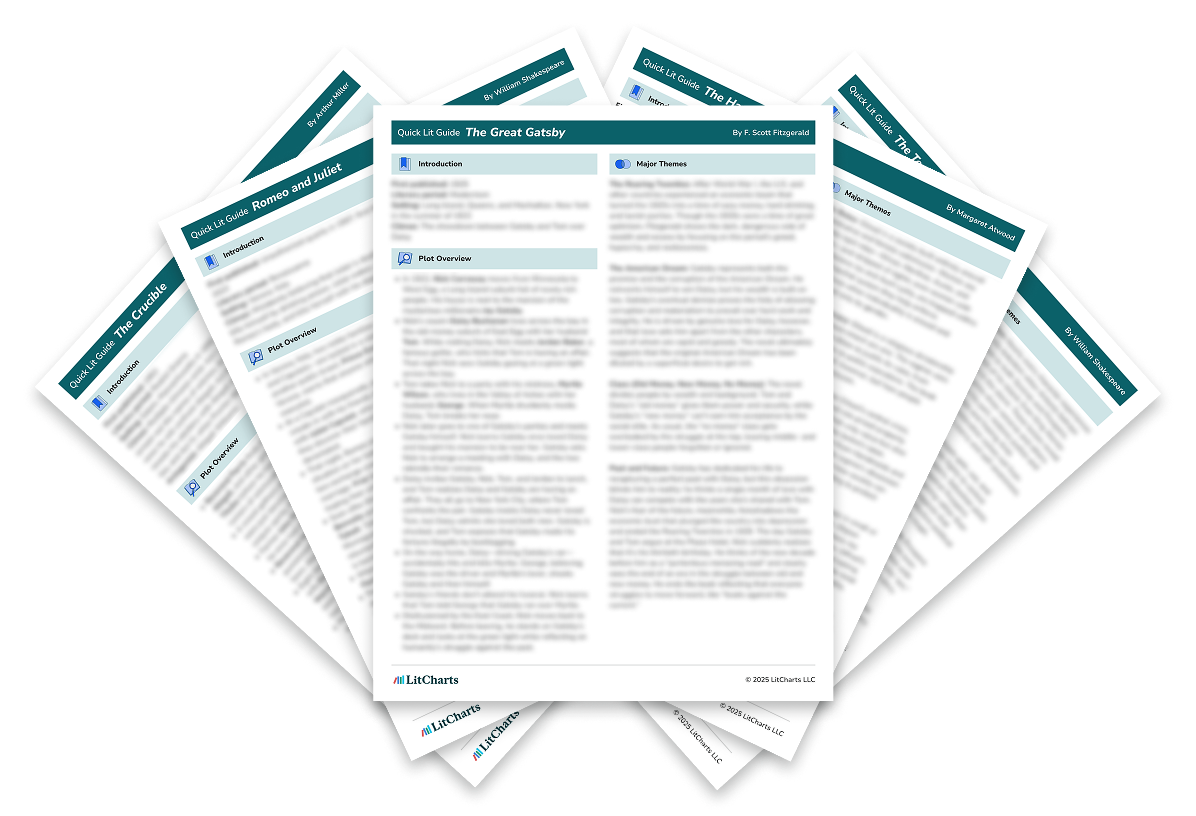
One-page Quick Lit Guides
Understand key basics—fast
Printable, one-page guides that cover the plot points, themes, and ideas you need to know.
Detailed chapter analysis
Get what happens and what it means
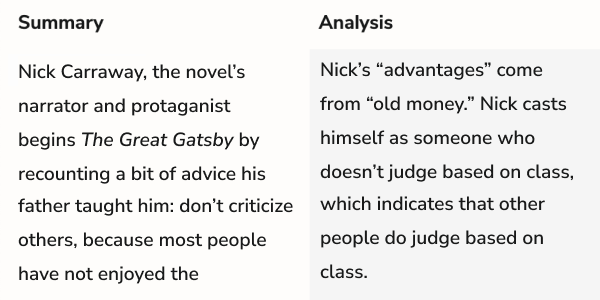
Targeted analysis next to the summary ensures you’ll understand more than just the plot.
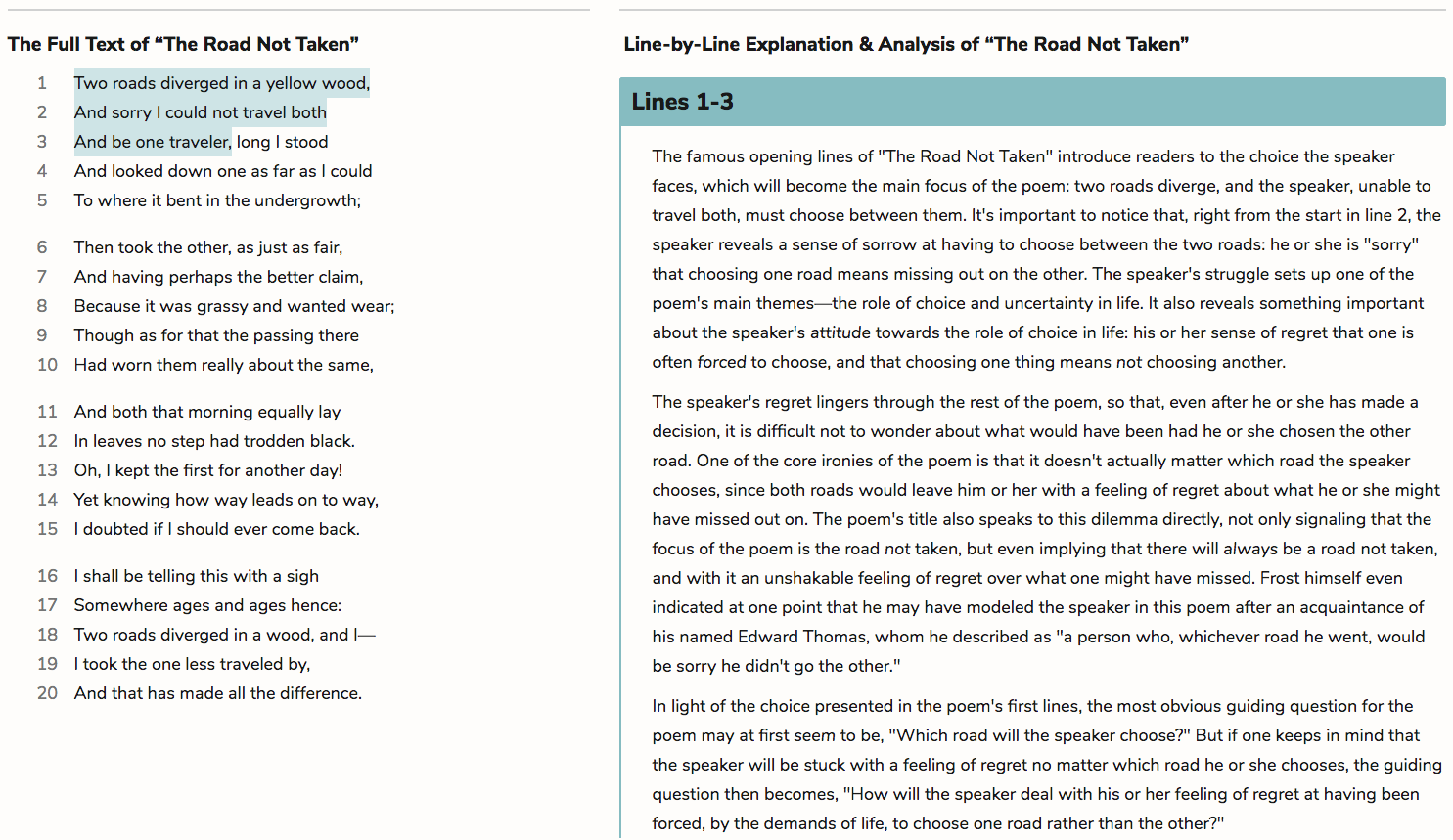
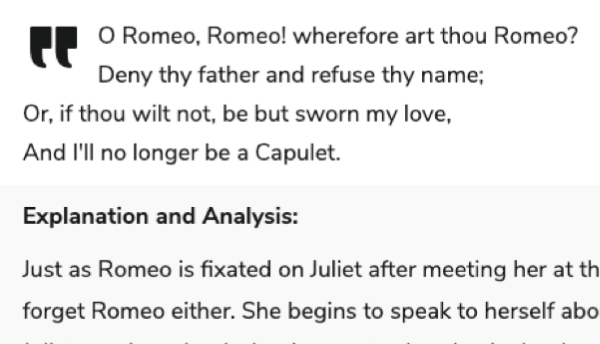
Line-by-line poetry analysis
Get the meaning in every line
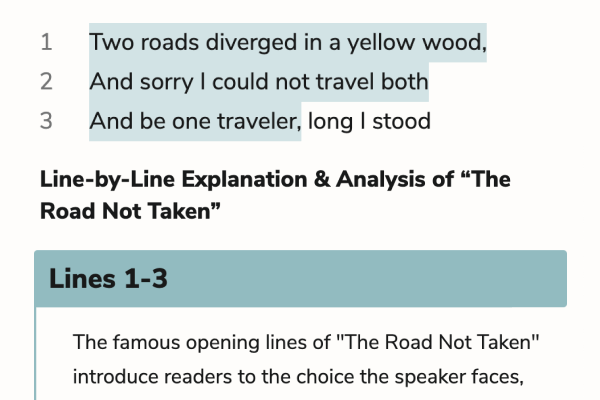
Never feel lost reading a poem again with clear and in-depth analysis of each and every line.
Literary & poetic device analysis
Decode the author’s language
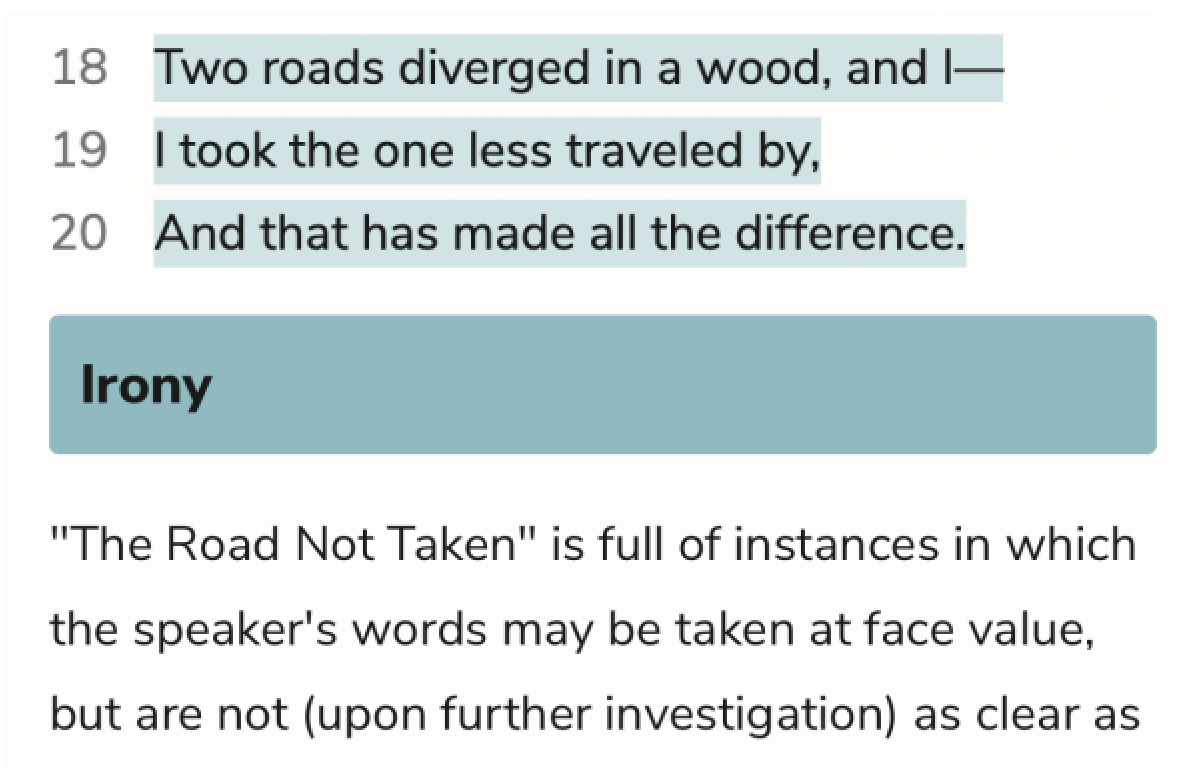
Quickly find and understand the key devices in whatever you’re reading.
Unlimited quizzes
Unlimited quizzes and feedback
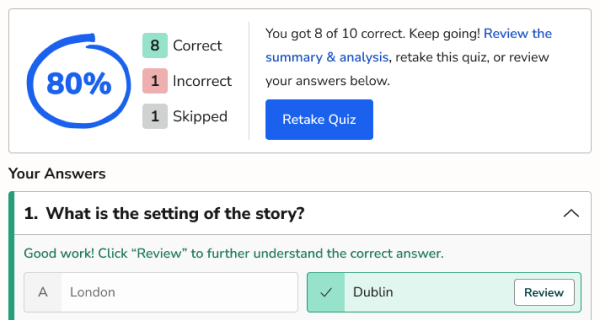
Boost your learning with quizzes that pinpoint and address knowledge gaps.
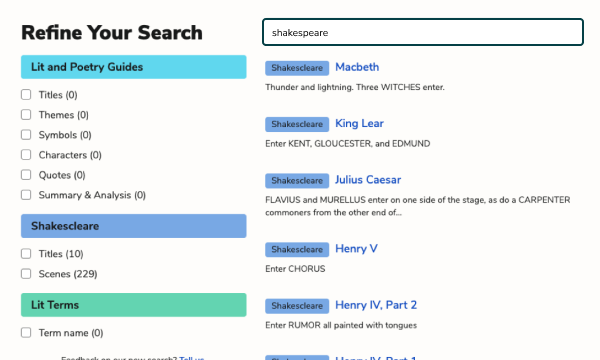
Advanced search
Find exactly what you need
Refine your search using advanced filters like genre, time period, literary movement, author context, grade level, and more.
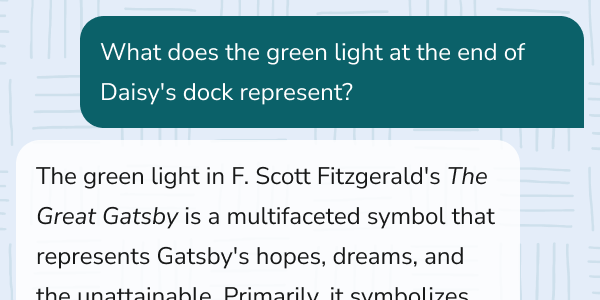
Ask LitCharts AI
Ask LitCharts AI
Instant answers to all your lit questions. Powered by LitCharts content and AI.
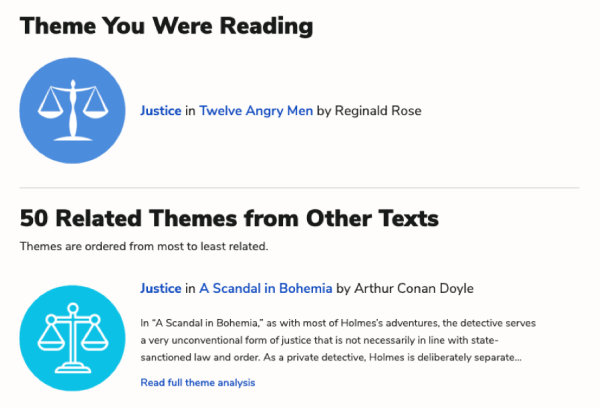
Theme comparisons across books
Compare and contrast
Identify similar themes across books, making comparisons fast and simple.
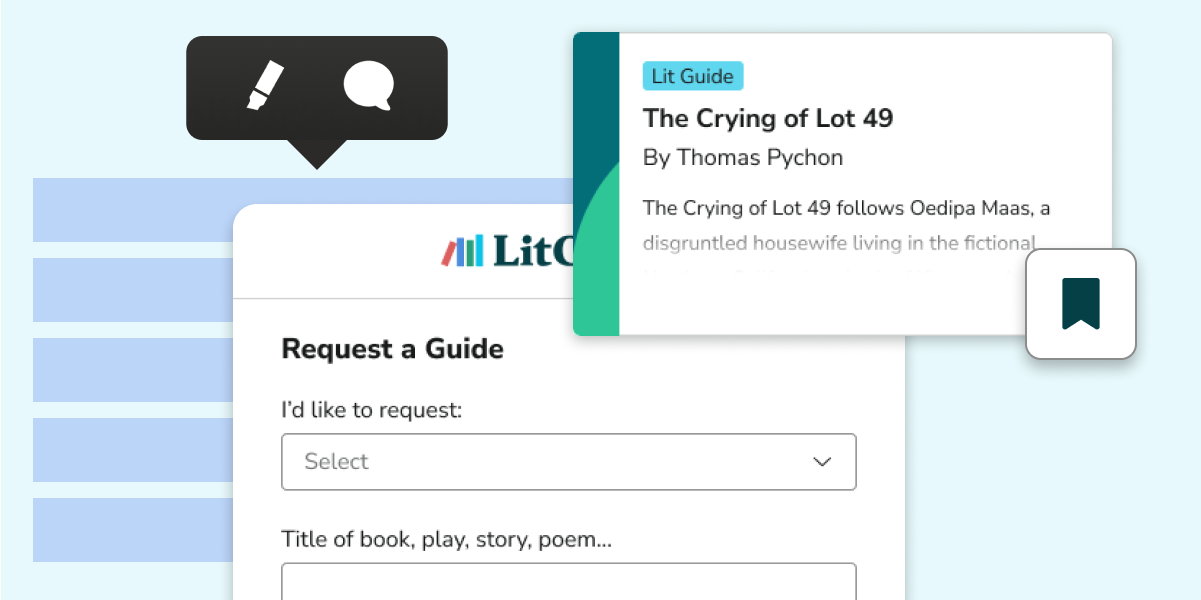
Highlight, take notes, & save guides
Make LitCharts your own
Add highlights or notes, save guides for easy access later, and request new titles.
 Teacher
$795USD/mo
Charged $95.40 USD every year
Quote explanations & citation info
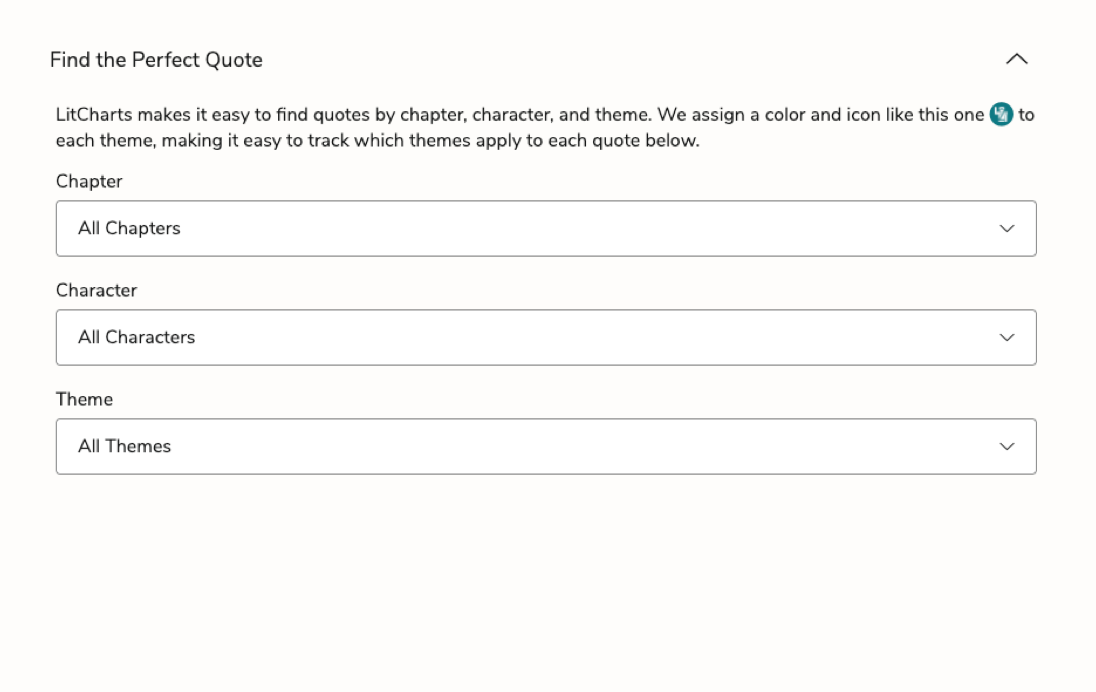
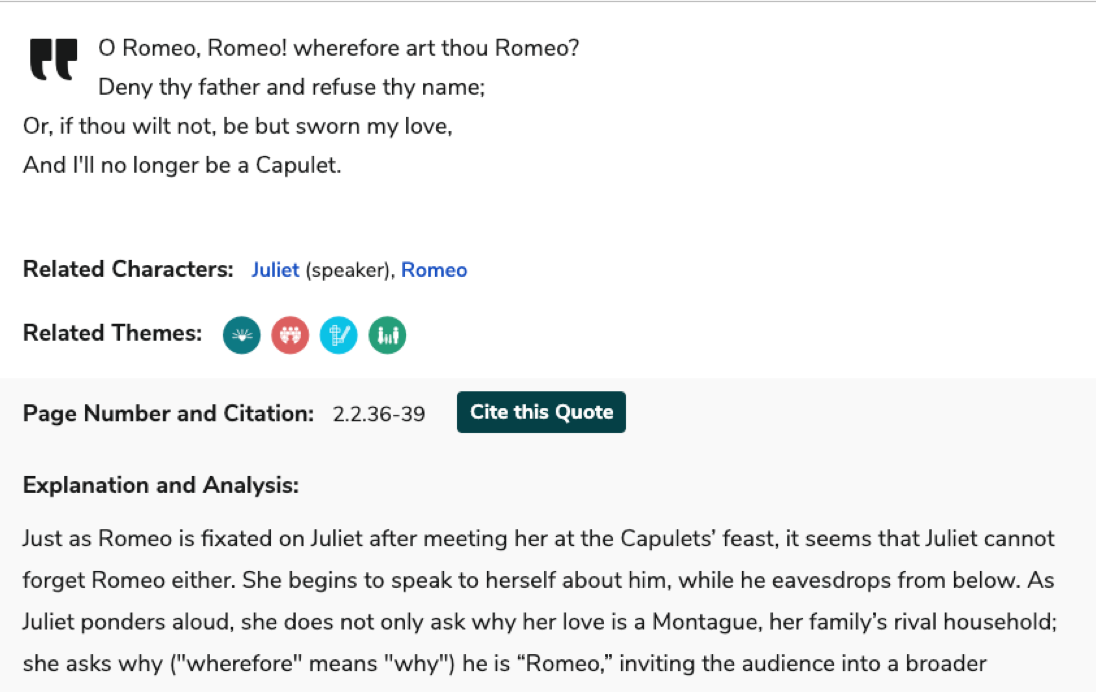
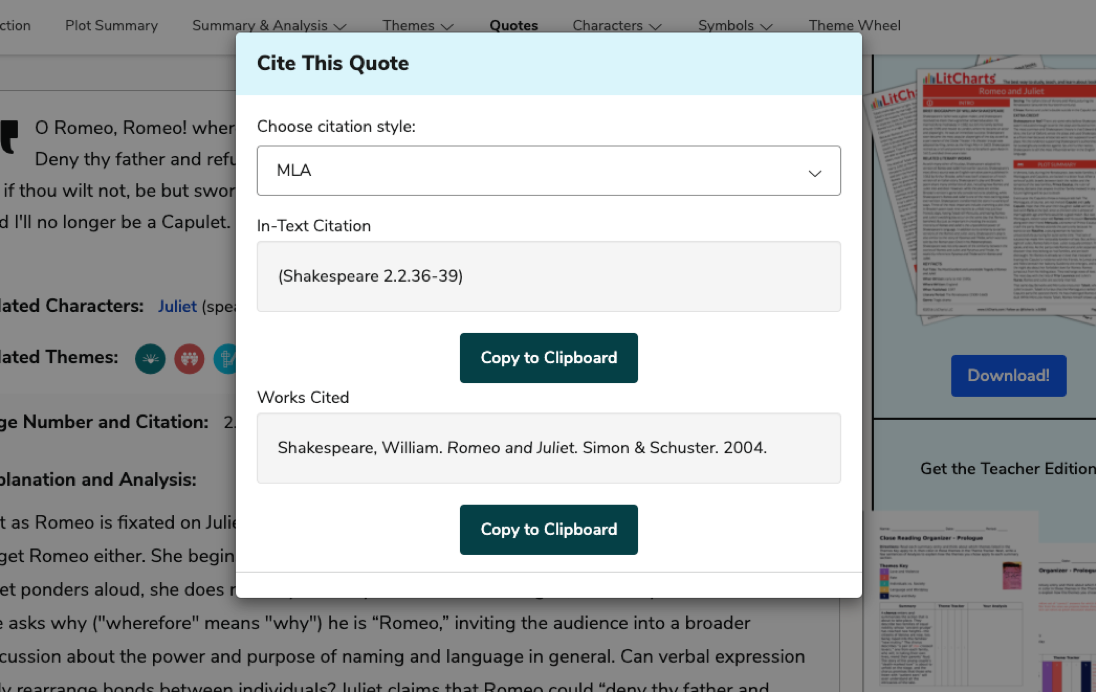
Find the perfect quote
Then understand it perfectly. And get the citation, too. For all 35,000+ quotes we cover.
Every PDF download
Printable PDFs for every guide
"Would not have made it through without the printable PDFs. They're like having in-class notes for every discussion!"
– LitCharts A⁺ user
One-page Quick Lit Guides
Understand key basics—fast
Printable, one-page guides that cover the plot points, themes, and ideas you need to know.
Detailed chapter analysis
Get what happens and what it means
Targeted analysis next to the summary ensures you’ll understand more than just the plot.
Line-by-line poetry analysis
Get the meaning in every line
Never feel lost reading a poem again with clear and in-depth analysis of each and every line.
Literary & poetic device analysis
Decode the author’s language
Quickly find and understand the key devices in whatever you’re reading.
Unlimited quizzes
Unlimited quizzes and feedback
Boost your learning with quizzes that pinpoint and address knowledge gaps.
Advanced search
Find exactly what you need
Refine your search using advanced filters like genre, time period, literary movement, author context, grade level, and more.
Ask LitCharts AI
Ask LitCharts AI
Instant answers to all your lit questions. Powered by LitCharts content and AI.
Theme comparisons across books
Compare and contrast
Identify similar themes across books, making comparisons fast and simple.
Highlight, take notes, & save guides
Make LitCharts your own
Add highlights or notes, save guides for easy access later, and request new titles.
Teacher editions
Save time with in-depth organizers
"THE best teaching resource I have ever used. My students love the handouts."
– LitCharts A⁺ User
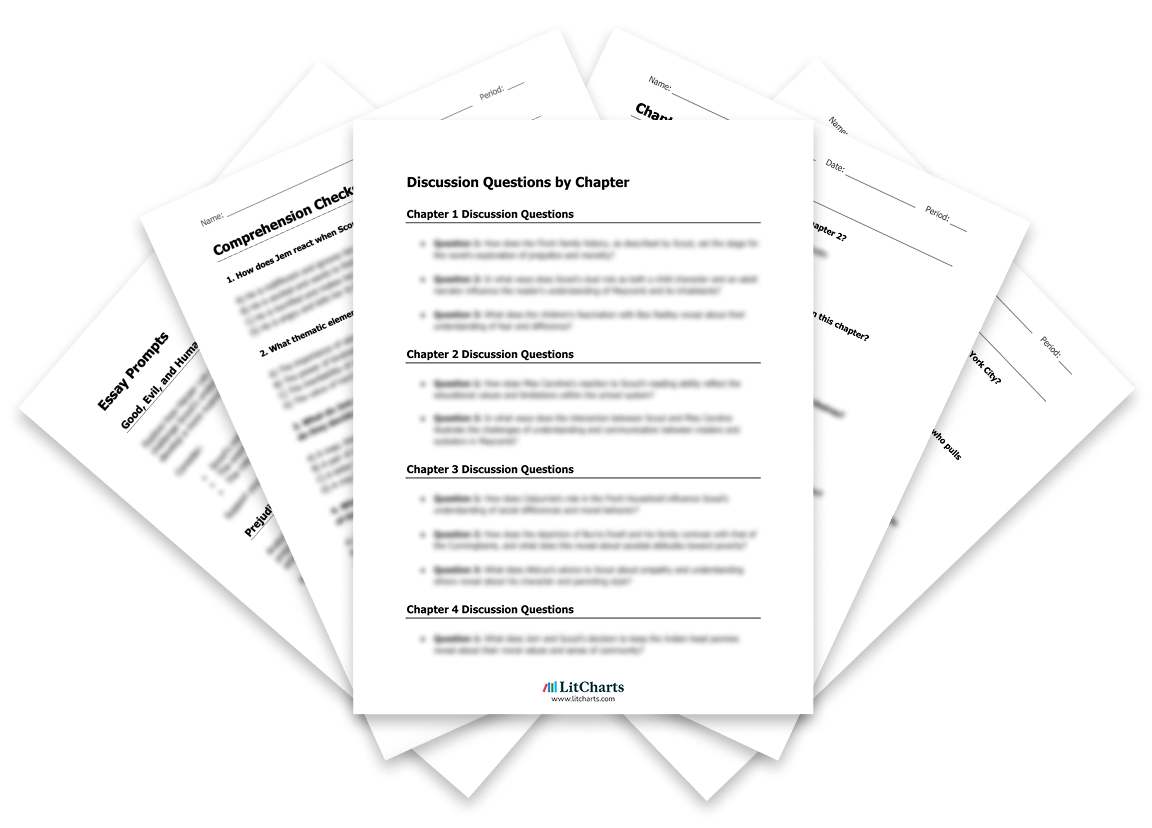
Printable classroom resources
Cut prep time in half
Essay prompts, discussion questions, and comprehension checks—easy to print and ready to use in class.
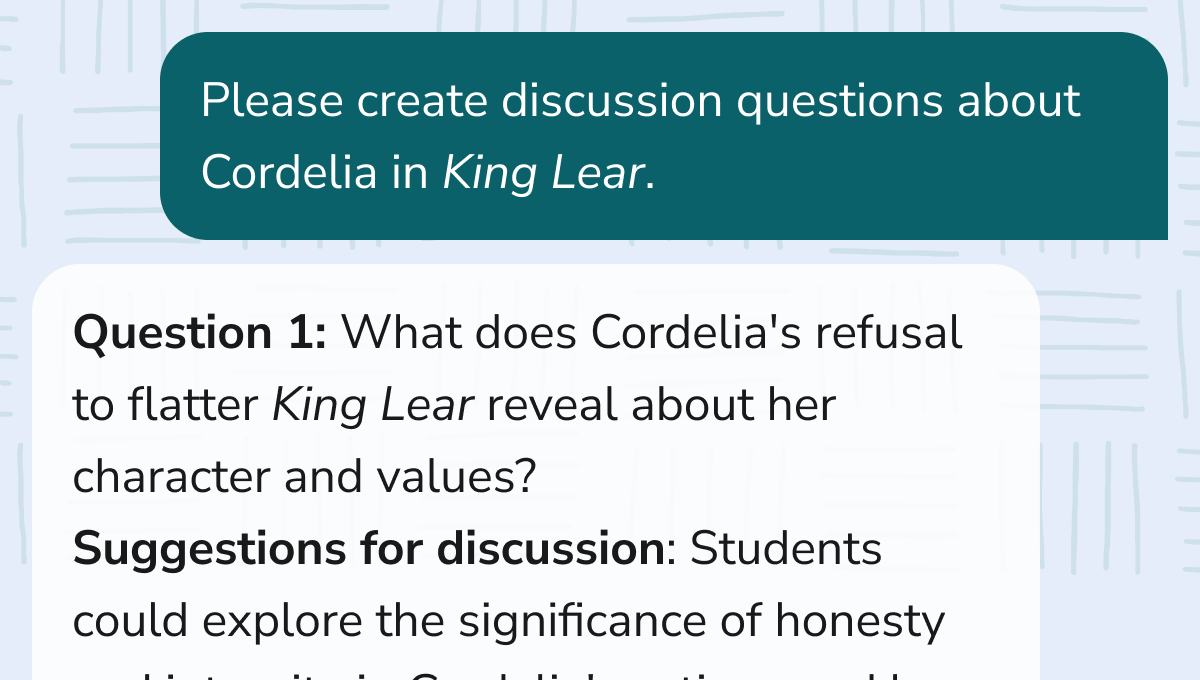
Discussion question generator
Discussion question generator
Instantly create discussion questions that get people talking, through the power of LitCharts analysis and AI.
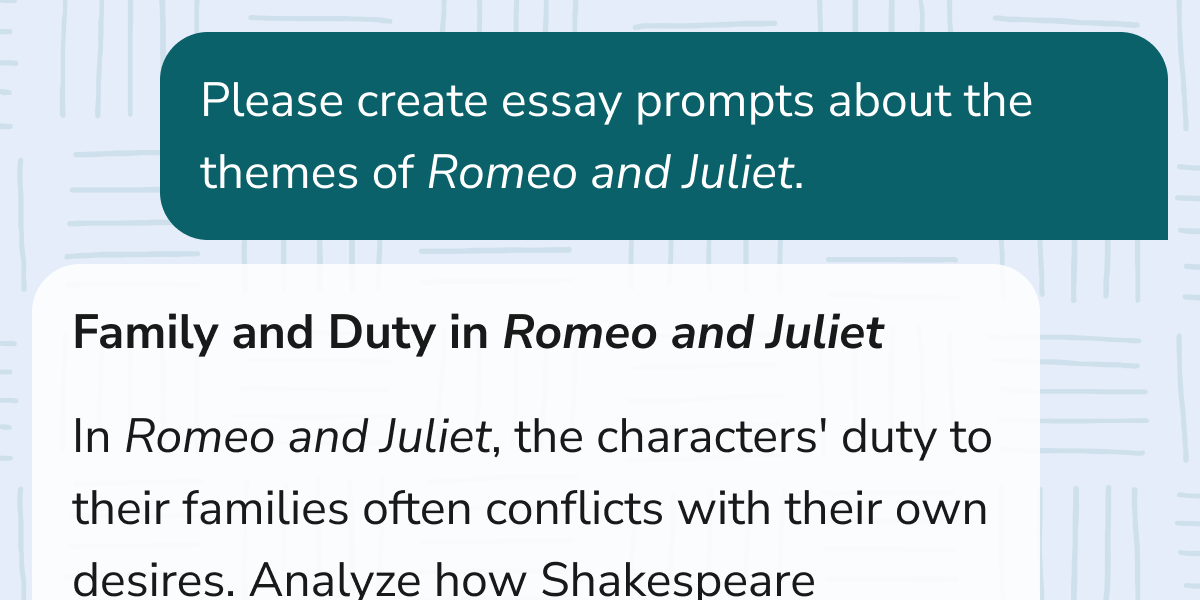
Essay prompt generator
Essay prompt generator
Quickly create thought-provoking essay prompts that will get your students writing, powered by LitCharts analysis and AI.
Quiz question generator
Quiz question generator
Effortlessly generate targeted quiz questions, powered by the world’s best literary analysis and AI.


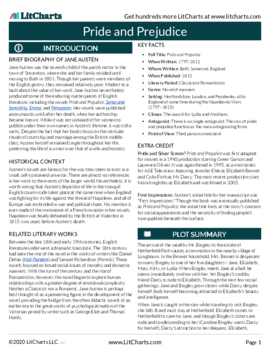
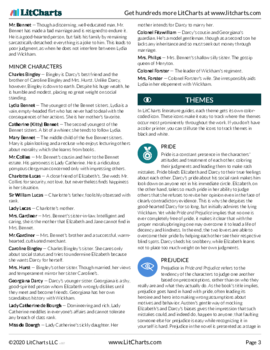
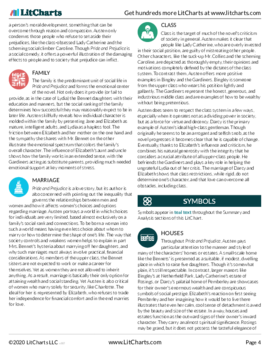
Literature Guide PDFs
LitCharts PDFs for every book you'll read this year.
Instant PDF downloads of all 2259 LitCharts literature guides and of every new one we publish. Try a free sample literature guide.
"Would not have made it through AP Literature without the printable PDFs. They're like having in-class notes for every discussion!"



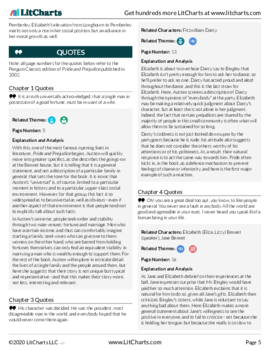


Quotes Explanations
Find the perfect quote. Understand it perfectly. Then rock the citation, too.
For all 50,383 quotes we cover.
For all 50,383 quotes we cover.


Teacher Editions
Close reading made easy for students.
Time saved for teachers.
For every book we cover.
Time saved for teachers.
For every book we cover.
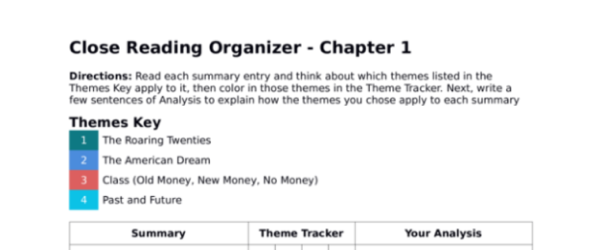
Teacher Edition Contents

|
Close Reading Organizers |

|
Character Analysis Organizers |

|
Symbol Analysis Organizers |

|
Theme Analysis Organizers |

|
Quote Analysis Organizers |
Common Core-aligned
""
Try a free and complete sample Teacher Edition.


PDFs of modern translations of every one of Shakespeare's 37 plays, 154 sonnets, and 3 longer poems.
Every translation available to download as a PDF.
Try a free sample Shakespeare translation.
"Every teacher of literature should use these translations. They completely demystify Shakespeare. Students love them!"

Literary Terms and Devices
Definitions and examples for every literary term and device you need to know.
Plus a quick-reference PDF with concise definitions of all 136 terms in one place.
Plus a quick-reference PDF with concise definitions of all 136 terms in one place.
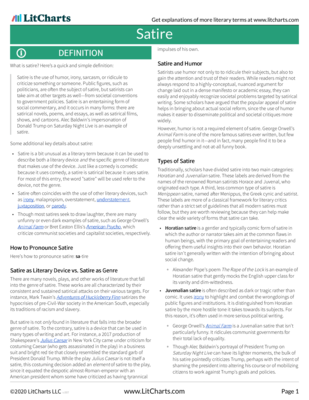
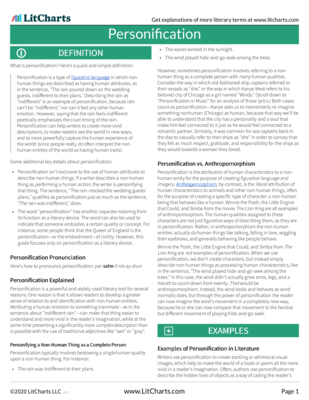
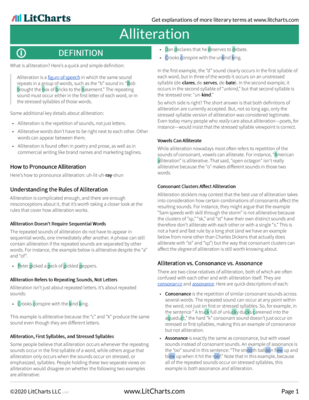
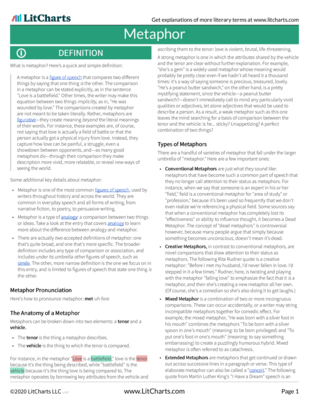
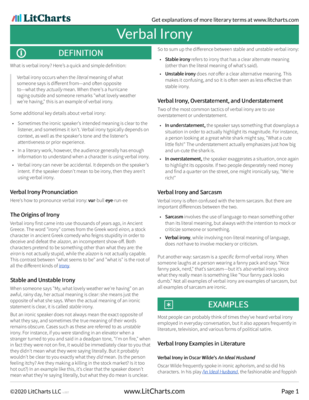
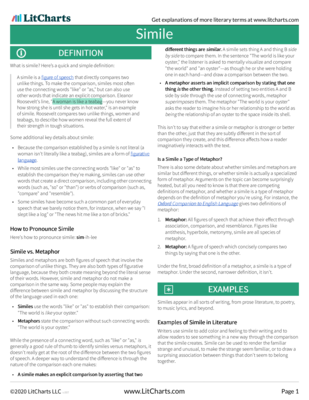
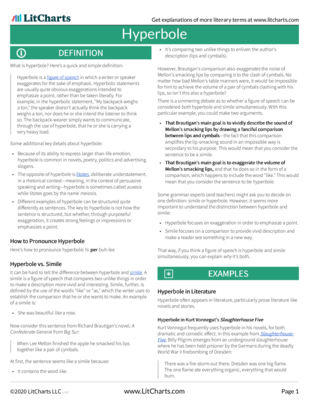
Try a free sample literary term PDF.


Advanced Search
Refine any search. Find related themes, quotes, symbols, characters, and more.
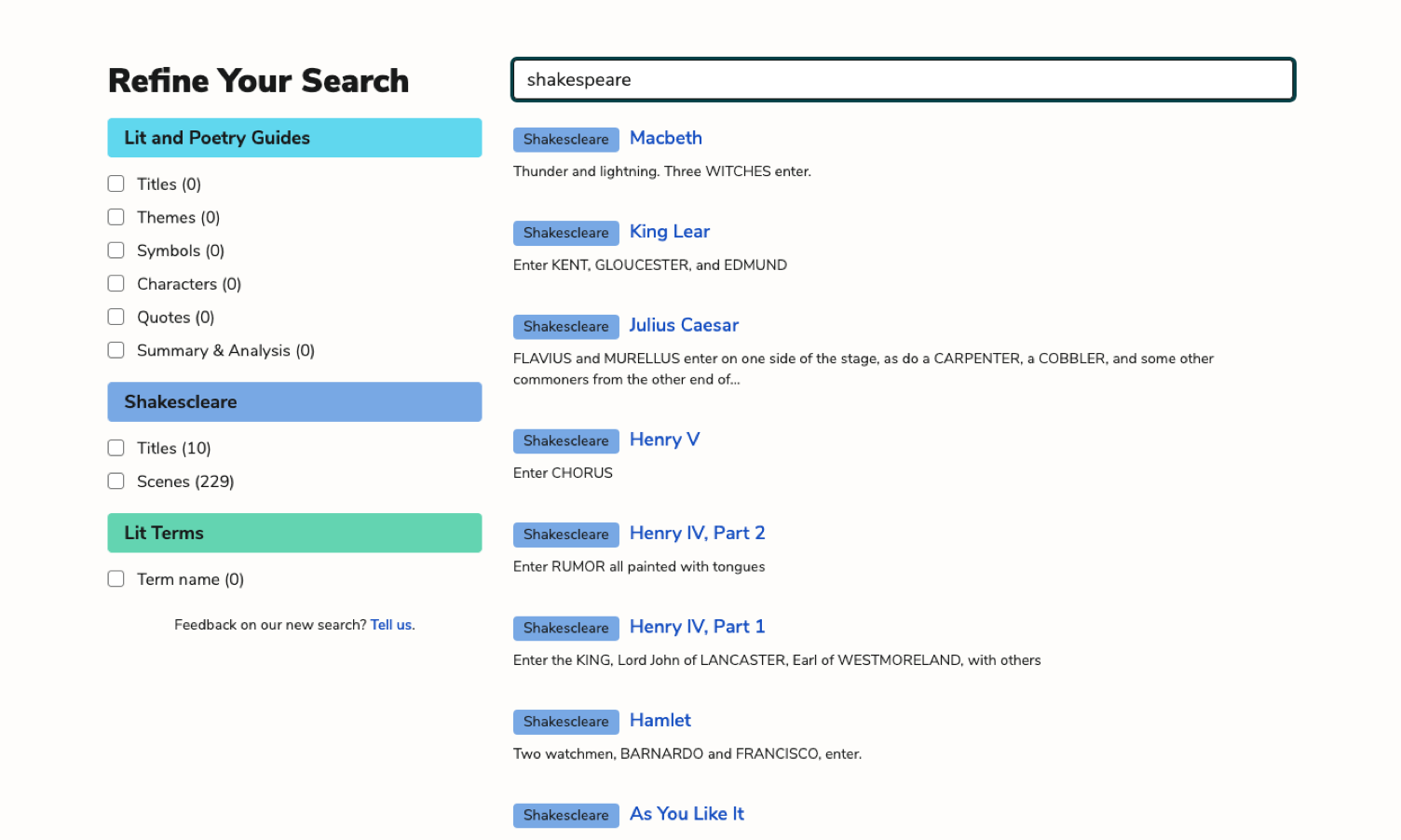
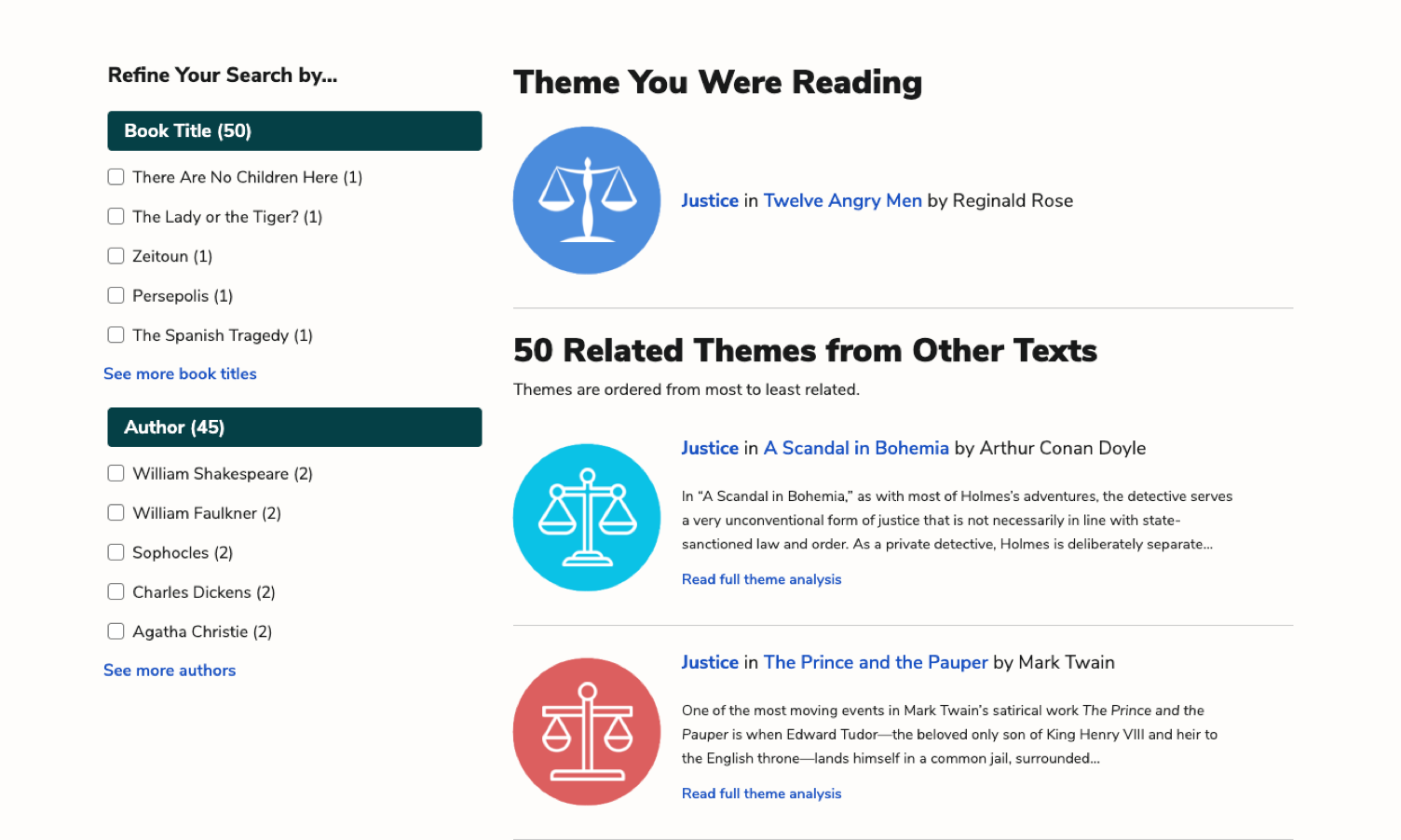
Related Themes
Comparing and contrasting texts? Find where any theme occurs across all of LitCharts in seconds.


Poetry Guides
Line-by-line explanations and analysis of figurative language and poetic devices.
For every lyric poem we cover.
For every lyric poem we cover.